
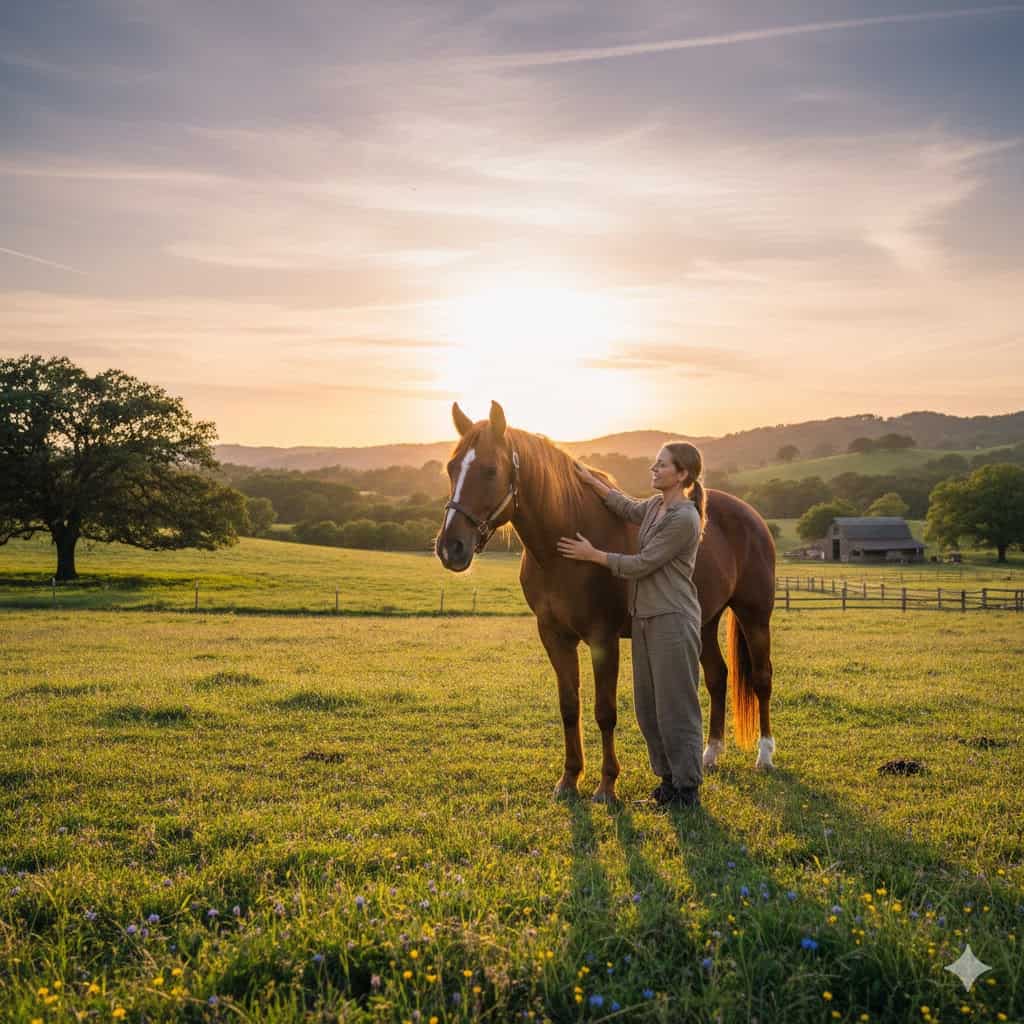
 Recovery from addiction and mental health challenges is not a straight path. It requires consistent effort, self-awareness, and support from trusted professionals. At Djurannons, we recognize that holistic approaches can enhance traditional treatment methods, helping individuals achieve long-term balance and wellness. Equine therapy is one such approach that provides a unique combination of mindfulness, trust-building, and personal growth. Interacting with horses can strengthen emotional regulation, encourage presence, and support the development of skills essential for lasting recovery.
The Role of Equine Therapy in Recovery
Equine therapy, also known as horse-assisted therapy, involves structured interactions with horses as part of a comprehensive treatment plan. Unlike traditional therapy alone, equine therapy emphasizes experiential learning. Participants engage in grooming, leading, and observing horses to improve self-awareness, emotional control, and interpersonal communication.
Horses are highly sensitive to human emotions. They mirror energy, mood, and intention, providing immediate feedback that is both honest and nonjudgmental. This responsiveness allows clients to better understand themselves and practice behaviors that support mental health and sobriety.
Cultivating Mindfulness Through Equine Interaction
Being Present in the Moment
Mindfulness is a critical skill in addiction recovery. Many individuals struggle with intrusive thoughts, stress, or cravings that make it difficult to stay grounded. Working with horses requires full attention. The animals respond only to present actions, encouraging participants to slow down, focus, and experience the moment fully.
This practice of presence helps reduce anxiety, increase awareness of emotional triggers, and develop the ability to respond thoughtfully rather than react impulsively.
Strengthening Emotional Regulation
Equine therapy sessions often reveal patterns of tension, fear, or avoidance. Horses respond naturally to these signals, providing feedback that encourages calmness, patience, and emotional control. By learning to regulate responses around horses, clients can apply the same strategies in daily life, enhancing coping skills and reducing stress.
Building Trust and Connection
Trust in Recovery and Relationships
Addiction and trauma can erode trust in oneself and others. Horses teach participants how to build trust gradually and authentically. By observing herd dynamics and engaging in consistent, gentle leadership, clients learn how their actions impact relationships.
Experiencing success with a horse boosts confidence and reinforces the ability to form healthy, trusting connections with people, which is essential for long-term recovery.
Encouraging Responsibility and Accountability
Caring for a horse requires consistency, attention, and follow-through. Participants learn to set boundaries, maintain routines, and take responsibility for their actions. These lessons strengthen self-discipline and accountability, supporting progress in both mental health and addiction treatment.
Integrating Equine Therapy with Holistic Care
At Djurannons, equine therapy is integrated into individualized care plans that include inpatient and outpatient services, counseling, group therapy, and faith-based support. This comprehensive approach ensures that the skills learned through interaction with horses are reinforced across every aspect of recovery. Participants benefit from a treatment environment that addresses mind, body, and spirit, enhancing resilience and long-term wellness.
What to Expect During Equine Therapy Sessions
Sessions are guided by professionals trained in both therapeutic principles and equine behavior. Activities may include:
-
Grooming and feeding horses to practice patience and focus
-
Leading exercises to strengthen confidence and communication
-
Observing herd behavior to develop insight into social dynamics
-
Reflective discussion connecting experiences to personal recovery goals
Each session is tailored to individual needs, ensuring a safe, supportive environment for growth.
Taking the Next Step Toward Balance and Healing
Equine therapy offers a powerful complement to traditional addiction and mental health treatment. By cultivating mindfulness, trust, and responsibility, individuals gain tools that support long-term recovery and emotional well-being.
If you or a loved one are seeking a compassionate, personalized approach to recovery, Djurannons provides holistic care that combines equine therapy with mental health services, inpatient and outpatient treatment, and faith-based guidance. Reach out today to begin a journey toward balance, self-discovery, and lasting healing.