Finding Strength in Connection: How Equine Therapy Supports Lasting Recovery

Lasting recovery from addiction involves more than stopping substance use. It requires rebuilding trust, developing healthier ways to manage emotions, and finding meaningful connections that support long-term well-being. For many people, this process can feel difficult, especially when anxiety, unresolved emotional pain, or strained relationships make it harder to move forward. Equine therapy offers a different way to explore these challenges. Through guided interactions with horses, individuals can practice communication, patience, self-awareness, and emotional regulation while building a stronger connection with themselves and others.

What Is Equine Therapy?

Equine therapy is an approach that incorporates horses into structured therapeutic activities. Depending on the program, it may involve grooming, feeding, leading, observing, or working alongside horses. Riding is not always part of the process.

In equine-assisted psychotherapy, qualified mental health professionals use interactions with horses to help individuals explore emotional and behavioural patterns. Activities are designed around therapeutic goals rather than simply spending time with animals.

Horses are sensitive to their surroundings and respond to body language, movement, and changes in behaviour. This can create opportunities for participants to become more aware of how they communicate and respond to different situations.

For someone in addiction recovery, these experiences may help develop skills that are useful in everyday life, including:

  • Recognizing emotions and stress responses.
  • Practicing patience and self-control.
  • Building confidence through achievable activities.
  • Understanding personal boundaries.
  • Developing healthier communication habits.
  • Strengthening trust and responsibility.

Equine therapy is not a standalone treatment for substance use disorders. Instead, it can complement evidence-based addiction treatment and mental health care when it is appropriate for the individual.

How Equine Therapy Supports Addiction Recovery

Addiction can affect nearly every area of a person’s life. Relationships may become strained, confidence may decline, and difficult emotions can contribute to continued substance use. Recovery involves addressing these challenges while developing practical tools for maintaining progress.

Equine therapy can provide a setting where individuals practice important recovery skills through direct experience.

Rebuilding Trust Through Consistent Interaction

Trust can be difficult to restore after addiction. A person may feel disappointed in themselves or uncertain about relying on others. Family members and friends may also need time to rebuild confidence in the relationship.

Working with a horse requires consistency, patience, and respect. Participants learn that trust is not established through force or pressure. It develops through predictable actions and appropriate responses.

For example, leading a horse through a simple activity may require calm communication and steady movement. If a participant becomes frustrated or impatient, the activity can offer an opportunity to pause, reflect, and try a different approach.

These lessons can carry into recovery. Healthy relationships also depend on reliability, honesty, boundaries, and respect.

Developing Emotional Awareness

People sometimes turn to alcohol or drugs to manage anxiety, sadness, anger, loneliness, or overwhelming stress. Over time, substance use can become a familiar response to uncomfortable feelings.

Recovery involves learning to recognize emotions without automatically reacting to them.

Horses respond to nonverbal cues, which can encourage participants to pay closer attention to their posture, breathing, movements, and emotional state. With guidance from a qualified professional, individuals can reflect on what they are experiencing and consider healthier ways to respond.

This process may help participants recognize emotional triggers and practice staying present during uncomfortable moments.

Strengthening Confidence and Personal Responsibility

Addiction can affect self-esteem. People may begin to doubt their abilities or believe they cannot make positive changes.

Equine-assisted activities offer opportunities to work toward manageable goals. Successfully completing an activity, following instructions, or learning how to approach a horse safely can provide a sense of achievement.

These experiences can reinforce an important recovery principle: progress happens through consistent effort.

Participants can also practice responsibility by following safety guidelines, respecting the animal, and completing assigned activities. These behaviours support the development of routines and accountability, both of which are valuable during long-term recovery.

The Connection Between Horses and Mental Health

Addiction and mental health concerns often overlap. Anxiety, depression, trauma-related symptoms, and chronic stress can complicate recovery. Addressing these concerns is important because untreated emotional difficulties may make it harder to maintain sobriety.

Equine therapy may provide an engaging way to explore emotional well-being alongside appropriate mental health treatment.

Managing Stress and Practicing Mindfulness

Spending time with horses in a structured setting can encourage people to slow down and focus on the present moment. Activities such as grooming or observing a horse require attention and patience.

Rather than concentrating on past mistakes or future worries, participants can focus on what is happening in front of them.

This experience may support mindfulness, which involves noticing thoughts, emotions, and physical sensations without immediately judging or reacting to them.

Mindfulness skills can also be practiced outside therapy. Taking a few steady breaths, recognizing tension, and pausing before responding to a stressful situation can help people make more thoughtful decisions.

Learning Healthy Boundaries

Boundaries are essential in recovery. Individuals may need to reconsider relationships, avoid environments associated with substance use, and communicate their needs more clearly.

Horses provide practical opportunities to explore personal space and respectful interaction. Participants must recognize the animal’s boundaries while maintaining their own safety.

With professional guidance, these experiences can lead to useful conversations about consent, respect, communication, and personal limits.

Learning to establish healthy boundaries can help individuals protect their recovery and build more stable relationships.

Combining Equine Therapy With Individualized Addiction Treatment

Every person’s experience with addiction is different. Some individuals need intensive support in a structured residential environment, while others may benefit from outpatient services that allow them to continue living at home.

An effective treatment plan should reflect the person’s substance use history, mental health needs, physical health, responsibilities, and recovery goals.

The Role of Inpatient Treatment

Inpatient or residential addiction treatment provides a structured environment for individuals who need consistent supervision and support. It may include medical care when necessary, individual counselling, group therapy, relapse prevention education, and mental health services.

When available and clinically appropriate, equine-assisted activities may complement other therapeutic services. They can give participants additional opportunities to practice emotional awareness, communication, and responsibility.

However, equine therapy should not replace medical detoxification, psychiatric care, or other essential treatment services.

The Value of Outpatient Care

Outpatient treatment allows individuals to receive professional support while continuing to manage work, family, education, and other responsibilities.

Depending on the program, outpatient care may include counselling, group sessions, mental health support, and ongoing recovery planning.

Equine-assisted services may be considered as an additional resource when they align with a person’s treatment goals. The important point is to maintain consistent professional support while applying recovery skills in everyday situations.

Why Personalized Care Matters

No single approach works for everyone. Some people respond well to traditional talk therapy, while others may benefit from additional experiential activities that help them express emotions and practice new behaviours.

A personalized treatment plan can consider whether equine therapy is suitable based on the individual’s needs, preferences, physical abilities, and clinical circumstances.

Faith-based support may also be meaningful for people who want their spiritual beliefs included in recovery. When offered as part of an appropriate program, spiritual guidance can complement counselling, peer support, and evidence-based treatment.

The goal is to create a plan that addresses the whole person while maintaining sound clinical care.

Bringing the Lessons of Equine Therapy Into Everyday Life

The value of therapy extends beyond the treatment setting. Lasting recovery depends on applying healthy behaviours consistently, especially during stressful situations.

Participants can use lessons from equine-assisted activities in several practical ways.

Practice patience. Meaningful progress takes time. Instead of expecting immediate results, focus on small, achievable goals.

Pay attention to emotional signals. Notice changes in breathing, tension, frustration, or mood. Recognizing these signs early can help prevent impulsive reactions.

Communicate clearly. Express needs honestly and respectfully. Ask for clarification when necessary and listen carefully to others.

Respect boundaries. Identify situations and relationships that may threaten recovery. Establish limits that protect emotional and physical well-being.

Accept support. Recovery is not something a person has to manage alone. Stay connected with counsellors, trusted family members, peer groups, and other supportive people.

These habits may seem simple, but practicing them regularly can strengthen a person’s ability to respond to challenges without returning to harmful patterns.

Is Equine Therapy Right for Everyone?

Equine therapy can be a valuable complementary approach, but it is not suitable for every person or every stage of recovery. Some individuals may have allergies, mobility limitations, a fear of horses, or other concerns that require consideration.

Before participating, individuals should discuss the option with their treatment provider. They should also ask about the qualifications of the professionals involved, safety procedures, therapeutic goals, and how the activities fit into their overall treatment plan.

It is important to choose a program that prioritizes both participant safety and animal welfare. Equine-assisted psychotherapy should be delivered by appropriately qualified professionals who understand mental health treatment and the responsible handling of horses.

Most importantly, people should feel comfortable asking questions and expressing concerns. Treatment should support individual needs rather than pressure someone into an activity that does not feel appropriate.

Building Lasting Recovery Through Meaningful Connection

Recovery grows through consistent effort, supportive relationships, and the willingness to develop healthier ways of living. Equine therapy can offer meaningful opportunities to practice trust, patience, emotional awareness, communication, and personal responsibility. These skills can strengthen the work people are already doing through addiction treatment and mental health care.

However, lasting progress rarely comes from one activity or treatment method alone. A strong recovery plan may include professional counselling, medical support when needed, inpatient or outpatient services, peer connections, and individualized therapeutic approaches.

If you or someone you care about is struggling with addiction, reaching out for professional help is an important first step. Ask about treatment options that address both substance use and mental health needs, and discuss whether complementary services such as equine therapy may be appropriate.

With the right support, recovery can become an opportunity to rebuild confidence, restore relationships, and create a healthier future. Every positive step matters, and meaningful connection can be an important part of that journey.
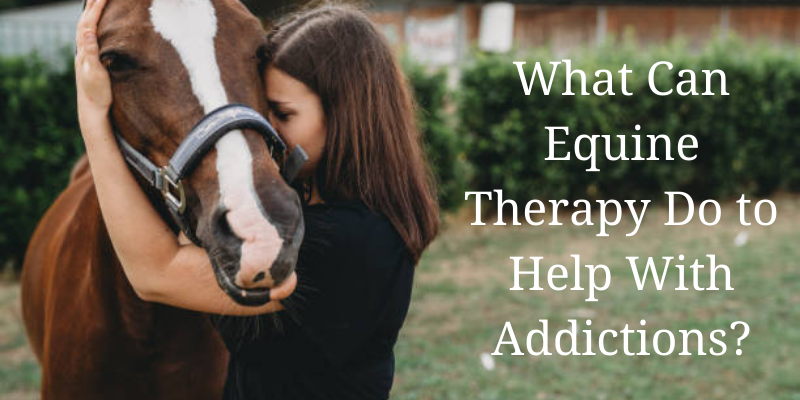
Why Equine Therapy Can Help People Cope With Anxiety, Stress, and Emotional Pain

Anxiety, chronic stress, and emotional pain can make everyday life difficult, especially for individuals dealing with addiction or working toward long-term sobriety. These challenges often affect relationships, decision-making, sleep, and the ability to manage difficult situations. While counselling and other evidence-based treatments remain essential, some people benefit from complementary approaches that help them develop emotional awareness and healthier coping skills. Equine therapy offers one such opportunity by using guided interactions with horses to support personal growth and mental wellness.

Horses respond to their surroundings through movement, body language, and behaviour. Spending time with them can encourage individuals to slow down, recognize their emotions, and become more aware of how they respond to stress. In a structured therapeutic setting, these experiences may help people practise patience, build confidence, and develop healthier ways to handle emotional discomfort. For individuals receiving addiction treatment, equine therapy can complement a broader recovery plan focused on both mental health and sobriety.

What Is Equine Therapy and How Does It Work?

Equine therapy involves structured activities with horses that support emotional, behavioural, and psychological development. Depending on the program, participants may groom horses, feed them, lead them through simple exercises, observe their behaviour, or take part in other guided activities. Riding is not necessarily part of the process.

Equine-assisted psychotherapy is one specific approach that incorporates horses into mental health treatment under the guidance of qualified professionals. Other equine-assisted activities may focus on communication, confidence, problem-solving, and personal development.

The purpose is not simply to spend time around animals. Instead, participants engage in activities that create opportunities to recognize emotional patterns, practise new behaviours, and reflect on their experiences with appropriate guidance.

Why Interacting With Horses Can Encourage Self-Awareness

Horses are sensitive to their environment and may respond to changes in a person’s movement, posture, and behaviour. This can give participants an opportunity to observe how their own emotional state influences their actions.

For example, someone who approaches a horse while feeling frustrated may find it difficult to complete a task that requires patience and steady communication. With support from a trained facilitator, the individual can reflect on the experience and identify what contributed to the frustration.

These observations can become useful starting points for conversations about emotional regulation, personal boundaries, and stress management.

How Equine Therapy May Help Reduce Anxiety

Anxiety can affect nearly every part of a person’s life. It may involve persistent worry, physical tension, racing thoughts, difficulty concentrating, or fear of situations that seem overwhelming. For people in addiction recovery, anxiety can also become a trigger for cravings or unhealthy coping behaviours.

Equine therapy may offer a structured environment where participants can practise remaining present and responding to situations more calmly.

Encouraging Mindfulness and Present-Moment Awareness

Anxiety often pulls attention toward future problems or imagined outcomes. People may spend hours worrying about situations they cannot control, making it difficult to focus on what is happening in the present.

Working with horses requires attention to the immediate environment. Participants may need to notice an animal’s movements, follow instructions, and adjust their approach based on what is happening.

For example, grooming a horse involves paying attention to the task, using appropriate movements, and remaining aware of the animal’s comfort. This can create an opportunity to practise mindfulness through a practical activity.

Although this experience does not replace treatment for an anxiety disorder, it may help individuals develop greater awareness of their thoughts and reactions.

Building Confidence in Unfamiliar Situations

Anxiety can make people doubt their abilities. Even ordinary responsibilities may feel intimidating when someone is worried about making mistakes or being judged.

Guided activities with horses can introduce manageable challenges. Participants may begin with simple tasks before gradually taking on activities that require more communication and confidence.

Completing these tasks can provide a sense of accomplishment. More importantly, individuals can learn that feeling uncertain does not always mean they are unable to move forward.

This lesson may be useful when facing other challenges, such as attending a support group, returning to work, or rebuilding relationships.

Managing Stress Through Equine-Assisted Activities

Stress is a natural response to demanding situations, but ongoing stress can affect physical health, emotional well-being, and decision-making. Financial concerns, family responsibilities, workplace pressure, and relationship difficulties can become especially difficult during addiction recovery.

Developing effective stress management skills is therefore an important part of maintaining sobriety.

Learning to Pause Before Reacting

When people feel overwhelmed, they may respond impulsively. This can lead to arguments, avoidance, or decisions that create additional problems.

Some equine activities require participants to slow down and approach tasks with patience. If an activity becomes frustrating, the facilitator can help the individual recognize the reaction and consider a different response.

The same principle applies to everyday situations. Instead of immediately reacting to a stressful conversation or unexpected problem, a person can practise taking a breath, identifying the emotion, and choosing a more constructive action.

Developing Patience and Emotional Regulation

Horses cannot be expected to respond exactly as a person wants. Participants may need to adjust their movements, repeat instructions, or approach a task differently.

These experiences can encourage flexibility and patience. They also provide opportunities to recognize frustration without allowing it to control behaviour.

In recovery, emotional regulation is particularly important because difficult feelings can sometimes contribute to substance use. Learning to tolerate discomfort and respond thoughtfully may help individuals manage challenging moments without returning to old coping patterns.

The Role of Equine Therapy in Addiction Recovery

Addiction is often connected to emotional, psychological, social, and environmental factors. Some people use substances to cope with trauma, anxiety, loneliness, grief, or ongoing stress. Others develop patterns of substance use that gradually affect their relationships, health, and responsibilities.

Stopping substance use is an important achievement, but lasting recovery also involves addressing the challenges that may contribute to continued use.

Equine therapy can complement professional addiction treatment by providing additional opportunities to practise important recovery skills.

Addressing Emotional Pain Without Avoidance

Emotional pain can be difficult to face. People may carry feelings of guilt, shame, grief, or disappointment long after they stop using substances.

In some cases, alcohol or drugs have become a way to avoid these feelings. Recovery requires developing healthier responses rather than relying on substances for temporary relief.

Structured equine activities may help participants recognize emotional reactions in a setting that encourages observation and reflection. A therapist or facilitator can help connect these experiences to personal challenges and coping strategies.

This process should always respect individual readiness. No one should be pressured to discuss painful memories or experiences before they feel prepared.

Rebuilding Trust and Healthy Relationships

Addiction can damage relationships with family members, friends, and colleagues. Rebuilding trust often takes time, especially when past behaviour has caused disappointment or conflict.

Interactions with horses can provide opportunities to practise consistency, clear communication, and respect for boundaries. Participants may learn that cooperation requires patience and attention rather than force or control.

These lessons can apply to relationships outside treatment. Healthy communication, accountability, and respect are essential when repairing connections and developing a reliable support network.

Strengthening Self-Esteem Through Personal Achievement

People affected by addiction may struggle with negative beliefs about themselves. They may feel defined by past mistakes or doubt their ability to make lasting changes.

Completing guided activities with horses can help participants recognize their strengths and abilities. Learning a new skill, following through on a responsibility, or managing a challenging situation can provide meaningful evidence of progress.

Over time, recognizing these achievements may support a healthier sense of self-worth. This can be especially valuable when individuals are working to rebuild their lives after addiction.

Supporting Mental Health Through a Whole-Person Treatment Plan

Equine therapy should be considered a complementary approach rather than a standalone treatment for addiction, anxiety, depression, or trauma. Mental health conditions require appropriate assessment and care, and treatment should be based on each person’s circumstances.

A whole-person recovery plan may combine several forms of support to address physical health, emotional well-being, relationships, and personal values.

Combining Equine Therapy With Inpatient Care

Inpatient or residential treatment may be appropriate for individuals who need a structured environment and more intensive support. Depending on the program, services may include medical supervision, individual counselling, group therapy, mental health treatment, and relapse prevention planning.

Where available and clinically appropriate, equine-assisted activities may complement these services. Participants can practise communication, patience, emotional awareness, and responsibility while working toward broader treatment goals.

People who may experience withdrawal complications should receive appropriate medical assessment and supervision. Equine therapy is not a substitute for medically supported detoxification or other necessary clinical care.

Using Equine Therapy Alongside Outpatient Treatment

Outpatient treatment allows individuals to receive professional support while continuing to manage responsibilities at home, work, or school. Services may include scheduled therapy, group counselling, and ongoing recovery planning.

For some participants, complementary equine activities can provide additional opportunities to practise coping skills. They can then discuss what they learned during counselling and consider how those experiences apply to everyday challenges.

Consistent follow-up is important. Recovery involves ongoing decisions, and individuals often need continued support as they encounter new stressors and responsibilities.

Respecting Individual Needs and Faith-Based Values

Every person’s recovery experience is different. Some individuals prefer traditional clinical approaches, while others appreciate additional activities that reflect their interests, beliefs, and personal values.

For those who find meaning in faith, spiritual support may be incorporated into treatment alongside professional mental health care. Equine activities may also encourage reflection on patience, responsibility, respect, and personal growth.

An individualized approach should always respect personal preferences. No single activity or belief system should be presented as the right choice for everyone.

Practical Ways to Apply Equine Therapy Lessons to Everyday Life

The benefits of therapeutic activities are most useful when participants can apply what they learn outside the treatment environment. The skills developed through guided interactions with horses can connect with everyday habits that support emotional wellness.

Consider these practical strategies:

  • Recognize emotional triggers: Notice situations, thoughts, or interactions that increase anxiety, frustration, or cravings.
  • Pause before responding: Take a moment to identify what you are feeling before making an important decision.
  • Create a consistent routine: Regular sleep, meals, physical activity, and treatment appointments can support stability.
  • Practise healthy boundaries: Communicate personal needs clearly while respecting other people’s limits.
  • Acknowledge small achievements: Recognize progress, even when it involves completing a simple daily responsibility.
  • Maintain professional support: Continue attending therapy, medical appointments, and recovery support meetings as recommended.
  • Prepare for stressful situations: Develop a plan for managing cravings, conflict, and unexpected challenges before they occur.

These habits can reinforce the work completed during treatment and help individuals build a stronger foundation for long-term recovery.

Finding a Path Toward Greater Emotional Wellness

Anxiety, stress, and emotional pain can make recovery feel difficult, but people do not have to manage these challenges without support. Equine therapy offers a different setting for practising self-awareness, patience, confidence, and communication. When guided by appropriately trained professionals and integrated into a broader treatment plan, it may provide meaningful opportunities for emotional growth.

For individuals experiencing addiction or ongoing mental health difficulties, the most important step is finding care that addresses their needs. Inpatient treatment, outpatient counselling, evidence-based therapies, and complementary approaches can all have a place in an individualized recovery plan.

If anxiety or emotional distress is affecting your daily life, consider speaking with a qualified mental health or addiction treatment professional. You can discuss your concerns, explore available options, and determine whether equine-assisted activities may be appropriate for your situation.

Healing does not require having every answer at the beginning. It starts with recognizing that support is available and taking one practical step toward a healthier future.

A New Approach to Healing: How Horses Support Mental Health and Sobriety

Addiction recovery is about more than stopping substance use. It also involves understanding emotional struggles, rebuilding confidence, developing healthier relationships, and learning how to manage stress without relying on drugs or alcohol. For many people, traditional treatment provides an essential foundation for this process. However, complementary approaches can offer additional opportunities for personal growth. Equine therapy, which incorporates interactions with horses into therapeutic activities, is one approach gaining attention for its potential to support mental health and sobriety.
Horses communicate through body language, movement, and responses to their surroundings. Working with them can encourage people to become more aware of their own emotions and behaviour. Within a professionally guided treatment setting, these experiences may help individuals develop patience, emotional regulation, confidence, and trust. While equine therapy is not a replacement for medical or psychological care, it can be a valuable addition to a personalized addiction recovery program.

What Is Equine Therapy?

Equine therapy refers to therapeutic approaches that involve interactions with horses to support emotional, behavioural, and psychological development. Depending on the program, activities may include grooming, feeding, leading, observing, or caring for horses. Riding is not always involved.

Some programs use horses as part of equine-assisted psychotherapy, which is guided by qualified mental health professionals. Other approaches focus on structured activities that encourage communication, problem-solving, and personal development. The specific format depends on the provider, the participant’s needs, and the goals of treatment.

Why Horses Can Support Emotional Growth

Horses are sensitive to their environment and often respond to changes in human body language and behaviour. For someone experiencing anxiety, frustration, or emotional distress, this interaction can provide an opportunity to notice how feelings influence actions.

For example, a person who approaches a horse while feeling tense may notice that the animal responds differently than when they move calmly and confidently. With guidance, this experience can encourage reflection about emotional awareness, patience, and communication.

The goal is not to interpret every animal response as a psychological message. Instead, the experience creates practical opportunities to observe behaviour, practise new skills, and discuss personal reactions in a supportive setting.

How Equine Therapy Can Support Addiction Recovery

Addiction often develops alongside emotional pain, chronic stress, unresolved trauma, or mental health challenges. Although the reasons for substance use differ from person to person, many individuals benefit from learning healthier ways to respond to difficult emotions.

Equine therapy may complement traditional treatment by providing practical experiences that reinforce important recovery skills.

1. Developing Emotional Awareness

People struggling with substance use may become accustomed to avoiding uncomfortable feelings. Alcohol or drugs can become a way to temporarily escape sadness, anger, fear, loneliness, or anxiety.

Recovery requires learning to recognize these emotions rather than automatically reacting to them. Activities involving horses can encourage individuals to pay closer attention to their thoughts, physical reactions, and behaviour.

For instance, leading a horse through an activity may require patience and a calm approach. If frustration develops, the participant can work with a therapist or facilitator to identify what triggered the reaction and consider a healthier response.

Over time, practising emotional awareness in different situations may help individuals recognize similar patterns in everyday life.

2. Rebuilding Confidence and Self-Esteem

Addiction can affect how people see themselves. Broken relationships, financial difficulties, missed responsibilities, and repeated setbacks may contribute to guilt and low self-esteem.

Equine therapy can provide opportunities to experience progress through manageable activities. Learning how to groom a horse, follow instructions, or complete a guided task can create a sense of accomplishment.

These achievements may seem small, but they can help individuals recognize their ability to learn, make decisions, and follow through on responsibilities.

Confidence developed during treatment can also support everyday recovery goals, such as attending counselling sessions, rebuilding family relationships, returning to work, or maintaining a healthy routine.

3. Practising Trust and Healthy Boundaries

Substance use can damage relationships and make it difficult to trust other people. Some individuals enter treatment feeling isolated, guarded, or uncertain about whether they can depend on others.

Working with horses can create opportunities to practise patience, consistency, and respect for boundaries. Horses require people to pay attention to their behaviour and respond appropriately to the animal’s needs.

Participants may learn that trust develops through steady actions rather than promises alone. This lesson can be relevant when rebuilding relationships with family members, friends, and recovery support networks.

Equine activities can also encourage individuals to recognize personal boundaries and respect the boundaries of others, both of which are important parts of healthier relationships.

The Connection Between Equine Therapy and Mental Health

Addiction and mental health concerns frequently overlap. Anxiety, depression, trauma-related symptoms, and chronic stress can affect a person’s ability to maintain sobriety. In some cases, substance use begins as an attempt to manage these difficulties.

Effective treatment should therefore consider the emotional and psychological factors connected to substance use.

Managing Stress and Anxiety

Stress can become a significant relapse trigger. Difficult conversations, financial pressure, family conflict, and unexpected changes may create emotional discomfort that makes returning to substance use seem appealing.

Structured activities with horses can encourage participants to slow down, focus on the present moment, and become more aware of their reactions. Grooming or observing a horse, for example, may offer a quiet opportunity to practise attention and patience.

These activities do not eliminate anxiety or replace evidence-based treatment. However, they may help participants practise coping strategies that can also be used outside the therapeutic environment.

Supporting People With Trauma Histories

Some individuals experiencing addiction have a history of traumatic experiences. Trauma can influence emotional regulation, relationships, self-esteem, and the ability to feel safe.

For certain participants, structured interactions with animals may feel less socially demanding than some forms of direct conversation. This can provide another setting in which to practise communication and awareness.

However, trauma-related treatment requires appropriate professional oversight. Equine activities should be adapted to the person’s needs and should never pressure someone to discuss painful experiences before they are ready. Qualified clinicians can help determine whether this approach is appropriate alongside therapies specifically designed to address trauma.

Combining Equine Therapy With Inpatient and Outpatient Treatment

Equine therapy is most useful when it supports a broader recovery plan. Addiction treatment may involve medical care, individual counselling, group therapy, behavioural interventions, medication when appropriate, and ongoing recovery support.

The right combination depends on the person’s substance use history, physical health, mental health needs, and recovery goals.

The Role of Inpatient Treatment

Inpatient or residential treatment can provide a structured environment for individuals who need intensive support. Depending on the program, treatment may include supervised care, therapy sessions, relapse prevention education, and activities that encourage healthy routines.

When available and clinically appropriate, equine-assisted activities may complement this structure by giving participants additional opportunities to practise emotional regulation, communication, and responsibility.

Medical detoxification may also be necessary for people who are physically dependent on certain substances. Withdrawal can involve serious complications, so detox should be planned with qualified medical professionals rather than attempted without supervision.

The Benefits of Outpatient Treatment

Outpatient care allows individuals to receive treatment while continuing to manage responsibilities at home, work, or school. It may include scheduled counselling, group sessions, and other therapeutic services.

For people participating in outpatient care, complementary activities can provide opportunities to practise recovery skills in different settings. The lessons learned through equine activities may be discussed during counselling and connected to real-life situations.

Consistency is important. Recovery does not end after a single therapy session, and progress often requires ongoing support and practice.

A Personalized and Whole-Person Approach to Recovery

There is no single treatment plan that works for everyone. Some individuals respond well to structured clinical therapies, while others may benefit from additional activities that support physical, emotional, social, or spiritual well-being.

A whole-person approach considers the different factors that influence substance use and recovery. These may include relationships, mental health, physical wellness, personal values, family circumstances, and the environment in which someone lives.

Integrating Faith and Personal Values

For individuals whose beliefs are important to their lives, faith-based support may provide meaning, encouragement, and a sense of connection during recovery. Spiritual practices can be incorporated alongside appropriate clinical treatment when they align with the person’s preferences.

Equine therapy may also encourage reflection on patience, responsibility, respect, and personal growth. These themes can connect with an individual’s values without requiring everyone to follow the same spiritual beliefs.

The most effective approach respects personal choice and ensures that treatment remains appropriate to each participant’s needs.

Choosing the Right Equine Therapy Program

Before joining an equine-assisted program, individuals should understand how it operates and who provides supervision.

Consider asking:

  • Are qualified mental health professionals involved when psychotherapy is offered?
  • What training and experience do the facilitators have?
  • How are activities adapted for people with different physical and emotional needs?
  • Are safety procedures in place for participants and horses?
  • How does the program coordinate with existing addiction or mental health treatment?
  • What goals will the activities support?

A reputable provider should explain the program clearly, discuss potential limitations, and avoid promising guaranteed recovery outcomes.

Bringing the Lessons of Equine Therapy Into Everyday Life

The value of equine therapy extends beyond the time spent around horses. With appropriate guidance, participants can identify practical lessons that support their daily recovery.

For example, patience learned during a grooming activity may help someone manage frustration during a difficult conversation. Increased awareness of body language may improve communication with family members. Completing a structured task may reinforce the importance of consistency and personal responsibility.

Individuals can also apply these lessons through everyday habits:

  • Pause before reacting: Take a moment to recognize emotions before making decisions.
  • Practise healthy boundaries: Communicate needs clearly and respect the limits of others.
  • Build consistent routines: Maintain regular sleep, meals, appointments, and recovery activities.
  • Recognize progress: Acknowledge small achievements rather than focusing only on distant goals.
  • Stay connected: Maintain contact with therapists, peer support groups, and trusted people.
  • Prepare for difficult moments: Identify personal triggers and develop a plan for responding to cravings or emotional stress.

These practices can strengthen the foundation created through professional addiction treatment.

Take the Next Step Toward Mental Wellness and Sobriety

Recovery is a personal process that requires time, support, and a willingness to develop new ways of responding to life’s challenges. Equine therapy offers an alternative setting where individuals may practise emotional awareness, patience, confidence, and trust. When integrated into an appropriate treatment plan, these experiences can complement clinical care and support broader personal development.

For anyone struggling with addiction, anxiety, depression, or the emotional challenges of maintaining sobriety, asking for help is an important first step. A qualified treatment provider can assess individual needs and explain which options may be appropriate, including inpatient care, outpatient counselling, and complementary approaches such as equine-assisted activities.

You do not have to work through recovery alone. With the right professional guidance and a treatment plan built around your circumstances, it is possible to develop healthier coping skills, rebuild meaningful relationships, and move toward a more stable future. Reach out to a qualified addiction or mental health provider to discuss the support available and take the next step toward lasting wellness.

How Equine Therapy Helps People Build Resilience During Addiction Recovery

Addiction recovery requires more than stopping substance use. It also involves learning to manage stress, respond to difficult emotions, rebuild relationships, and move forward after setbacks. For many people, these changes can feel overwhelming, especially when old coping habits no longer serve them. Equine therapy offers a distinctive way to practise resilience through guided interactions with horses. By encouraging patience, emotional awareness, confidence, and trust, equine-assisted activities may complement professional addiction treatment and help individuals develop skills that support lasting recovery.

What Is Equine Therapy in Addiction Recovery?

Equine therapy involves structured interactions with horses as part of a therapeutic or supportive program. Activities may include grooming, observing horse behaviour, practising safe handling, or completing guided exercises that encourage communication and self-reflection. Horseback riding is not necessarily involved.

Horses respond to their surroundings and the behaviour of people nearby. Their reactions can encourage participants to become more aware of their body language, emotions, and communication patterns. With appropriate guidance, these experiences may help individuals recognize how they respond to stress, uncertainty, and interpersonal challenges.

This can be especially relevant during addiction recovery. Substance use sometimes becomes a way to cope with painful emotions, relationship difficulties, or overwhelming life circumstances. Although substances may provide temporary relief, relying on them can make underlying problems harder to address.

Equine therapy may provide another setting in which people can explore their reactions and practise healthier coping strategies. It should complement, rather than replace, evidence-based addiction treatment, mental health counselling, and medical care when needed.

Understanding Resilience and Why It Matters in Recovery

Resilience is the ability to adapt to challenges, recover from difficult experiences, and continue working toward meaningful goals. It does not mean avoiding emotional pain or handling every problem alone. Instead, resilience involves recognizing when support is needed, learning from setbacks, and making constructive choices even when circumstances are difficult.

For people recovering from addiction, resilience can support several important parts of the process.

  • Managing cravings and emotional triggers.
  • Responding to stress without returning to harmful coping habits.
  • Rebuilding confidence after setbacks.
  • Maintaining healthy boundaries and relationships.
  • Asking for help before a problem becomes overwhelming.
  • Staying connected to treatment and recovery goals.

Equine therapy may offer practical opportunities to explore these skills. However, resilience develops through ongoing practice, supportive relationships, and appropriate treatment, not through one activity or experience alone.

How Horses Can Help People Develop Emotional Awareness

Recognizing emotions is an important step toward responding to them effectively. Yet many people entering addiction treatment have spent years avoiding difficult feelings or using substances to change how they feel.

Equine-assisted activities may encourage participants to slow down and pay attention to their emotional responses.

Recognizing Stress Before It Becomes Overwhelming

Stress can show up in different ways. Someone might experience muscle tension, irritability, racing thoughts, or a sudden urge to withdraw from a situation. Others may not recognize their stress until they feel close to losing control.

Working with a horse may require patience, attention, and awareness of the surrounding environment. If an activity becomes challenging, participants may notice frustration, nervousness, or uncertainty. With professional guidance, these moments can become opportunities to identify feelings and consider healthier responses.

This awareness can be useful outside the stable. For example, a person who notices anxiety building before a social event may choose to use a grounding exercise, speak with a trusted support person, or discuss the situation with a counsellor.

Recognizing stress early creates more opportunities to respond before it contributes to impulsive decisions or substance use.

Learning to Pause Before Reacting

Resilience often depends on what happens between feeling an emotion and acting on it. A stressful situation may trigger an automatic response, but learning to pause can create room for a healthier choice.

During guided equine activities, participants may need to stop, observe a horse’s behaviour, and adjust their approach instead of reacting out of frustration. This experience can encourage patience and deliberate decision-making.

The same principle applies to addiction recovery. When a craving appears, a person can acknowledge the urge, identify the trigger, and use a strategy from their treatment plan. They might leave a risky environment, contact a recovery support person, or practise slow breathing.

The goal is not to eliminate every difficult feeling. It is to develop the confidence and skills needed to respond without automatically returning to harmful habits.

Building Confidence Through Patience and Progress

Addiction can affect self-esteem and make it difficult to believe that change is possible. Past mistakes, damaged relationships, and repeated setbacks may leave individuals questioning their ability to move forward.

Equine therapy may provide opportunities to build confidence through manageable tasks and consistent practice.

Celebrating Small Achievements

Working safely with a horse may involve following instructions, approaching calmly, completing a task, or adapting when something does not go as planned. Each successful step can reinforce the idea that progress comes through patience and effort.

Recovery works in much the same way. Attending a counselling session, being honest about a craving, maintaining a healthy boundary, or asking for help can represent meaningful progress.

These actions may seem small, but they help establish routines that support long-term change. Rather than expecting perfection, individuals can learn to recognize the value of consistent effort.

For example, someone who previously avoided difficult conversations might begin expressing concerns more openly. Another person may recognize a stressful situation and choose to reach out for support rather than isolate themselves.

Each constructive decision offers a chance to strengthen confidence.

Replacing Shame With Personal Responsibility

Shame can make recovery more difficult by encouraging people to hide their struggles or believe they are undeserving of help. Resilience involves acknowledging past experiences without allowing them to define every future decision.

Personal responsibility provides a more practical approach. It means recognizing the impact of one’s actions, making repairs where possible, and choosing healthier responses moving forward.

In treatment, this might involve rebuilding trust with loved ones, following a relapse prevention plan, or identifying situations that need additional support.

Setbacks may occur, but they do not erase previous progress. When difficulties arise, a person can learn from the experience, reconnect with their support network, and adjust their recovery plan with professional guidance.

Strengthening Trust and Healthy Relationships

Recovery often involves repairing relationships affected by substance use. Family members and friends may feel hurt or uncertain, while the person in recovery may struggle with guilt, fear of rejection, or difficulty communicating openly.

Equine therapy may provide opportunities to practise trust, patience, and respect in a structured environment.

Learning the Importance of Clear Communication

Horses respond to body language, movement, and behaviour as well as the way a person approaches them. These interactions can encourage participants to pay closer attention to how they communicate.

Someone might discover that frustration affects their posture or that anxiety makes them hesitant to act. Reflecting on these responses can help them consider how similar patterns appear in everyday relationships.

In counselling, these observations may lead to practical goals, such as expressing needs clearly, listening without interrupting, or taking time to calm down before discussing a difficult subject.

Healthy communication does not require avoiding disagreement. It involves expressing concerns respectfully and remaining open to understanding another person’s perspective.

Respecting Boundaries and Rebuilding Trust Gradually

Healthy relationships depend on clear boundaries. Interactions with horses can reinforce the importance of personal space, patience, and respectful behaviour.

These lessons are relevant when rebuilding trust after addiction. Loved ones may need time to see consistent changes before feeling comfortable restoring responsibilities or increasing contact. Respecting that process is part of accountability.

Trust grows through repeated actions, honest communication, and reliability. It cannot be demanded or restored through promises alone.

By practising patience and respect, individuals can work toward relationships that support recovery while recognizing that each person has their own needs and limits.

Equine Therapy as Part of a Comprehensive Recovery Plan

Although equine therapy may support emotional growth, addiction is a complex condition that often requires professional treatment. A well-designed recovery plan should address substance use, mental health, physical well-being, and the circumstances that affect daily life.

Inpatient and Outpatient Addiction Treatment

Inpatient treatment provides a structured setting for people who need intensive support, medical supervision, or distance from environments that make recovery difficult. Outpatient treatment allows individuals to receive professional services while continuing to manage responsibilities at home, work, or school.

Both levels of care may include individual counselling, group therapy, recovery education, and relapse prevention planning. Equine therapy may be available as a complementary activity in some programs, depending on the provider and the person’s needs.

When exploring treatment options, ask how the program addresses emotional regulation, stress management, and co-occurring mental health conditions. If equine-assisted activities are offered, ask how they are supervised and how they fit into the overall treatment plan.

Integrating Holistic and Faith-Based Support

Recovery affects more than substance use alone. It can involve rebuilding daily routines, improving relationships, reconnecting with personal values, and finding a renewed sense of purpose.

A holistic approach considers emotional, physical, social, and spiritual well-being alongside clinical care. For people who value spirituality, faith-based support may offer encouragement through prayer, reflection, or connection with a faith community, when these practices align with their beliefs.

Equine therapy may be one component of a broader approach that respects individual preferences and recovery goals. The most appropriate plan is one that combines suitable professional care with practical support for the whole person.

Practical Ways to Build Resilience During Recovery

You can begin strengthening resilience through small, repeatable actions in everyday life. These practices can reinforce the skills developed through therapy and other recovery services.

Identify your stress signals. Notice changes in your mood, thoughts, breathing, or behaviour. Recognizing these signs early can help you respond before stress intensifies.

Create a personal coping plan. List several strategies that help you manage difficult emotions, such as grounding exercises, walking, journaling, or speaking with a trusted person.

Maintain realistic routines. Regular sleep, balanced meals, physical activity, and scheduled recovery activities can provide structure during uncertain periods.

Set healthy boundaries. Recognize situations that put your recovery at risk and practise communicating your limits clearly.

Stay connected to support. Reach out to a counsellor, recovery group, trusted friend, or other appropriate support person when challenges arise.

Treat setbacks as a reason to seek support. If you return to substance use, contact a qualified treatment professional promptly. A setback does not mean recovery is impossible, but it may signal that your current plan needs adjustment.

These steps are not substitutes for professional treatment. They can, however, help you practise resilience as part of a comprehensive recovery plan.

Take the Next Step Toward Lasting Recovery

Building resilience during addiction recovery takes time, patience, and the willingness to accept support. Equine therapy may provide meaningful opportunities to practise emotional awareness, strengthen confidence, and explore healthier ways to respond to stress. When combined with appropriate addiction treatment and mental health care, these experiences can complement the ongoing work of building a stable and fulfilling life.

You do not have to face recovery alone or wait until your challenges become overwhelming. If substance use or emotional distress is affecting your life, consider speaking with a qualified treatment provider about your needs and available options.

Whether you are exploring inpatient care, outpatient counselling, holistic support, or equine-assisted therapy where available, the right starting point is a conversation about what will help you move forward. With individualized care, consistent practice, and a reliable support system, you can strengthen resilience and take meaningful steps toward lasting recovery.

How Equine Therapy Helps People Manage Stress and Rebuild Emotional Balance

Stress can affect every part of life, from relationships and sleep to decision-making and mental health. For people facing addiction or emotional difficulties, ongoing stress can also make recovery more challenging. Equine therapy offers a unique way to explore stress responses, practise emotional regulation, and develop healthier coping skills through guided interactions with horses. When combined with professional addiction treatment and mental health care, this approach can help individuals build greater self-awareness, strengthen confidence, and work toward a more balanced life.

What Is Equine Therapy?

Equine therapy incorporates interactions with horses into a structured therapeutic or supportive setting. Depending on the program, participants may groom horses, observe their behaviour, practise safe handling, or complete guided activities that encourage communication and self-reflection. Horseback riding is not necessarily involved.

Horses are sensitive to their surroundings and respond to movement, body language, and changes in their environment. These interactions can encourage participants to become more aware of their own behaviour and emotions. With appropriate professional guidance, an experience with a horse may create opportunities to practise patience, remain present, and respond thoughtfully to challenging situations.

For individuals experiencing addiction, anxiety, depression, or other mental health concerns, these skills can be valuable. Stress sometimes contributes to unhealthy coping patterns, including using alcohol or drugs to temporarily escape uncomfortable feelings. Equine therapy may offer another setting in which to explore those patterns and practise healthier responses.

However, equine therapy is not a replacement for medical care, counselling, or evidence-based addiction treatment. It is best understood as a complementary approach that may support a broader, individualized recovery plan.

How Equine Therapy Helps Manage Stress

Stress can trigger physical tension, racing thoughts, irritability, and difficulty concentrating. When these reactions become frequent, even everyday responsibilities may feel overwhelming. Learning to recognize and respond to stress is therefore an important part of protecting emotional well-being.

Practicing Mindfulness in the Present Moment

Mindfulness involves paying attention to the present without immediately judging what you notice. It can help people recognize their thoughts and feelings before reacting to them.

Working with a horse often requires careful attention. Participants may need to notice the horse’s movements, follow safety instructions, and adjust their approach based on what is happening in the moment. Focusing on these details can encourage them to slow down and temporarily step away from worries about the past or future.

This kind of present-moment awareness can also be practised outside a therapeutic setting. For example, someone feeling overwhelmed might pause, take several slow breaths, and identify what they can see, hear, and feel. These simple grounding practices may help create space for a calmer response.

For people in addiction recovery, that pause can be especially useful when stress increases cravings or the urge to return to familiar coping habits.

Recognizing Physical Signs of Stress

Stress does not always begin with an obvious emotion. Some people first notice a tight jaw, tense shoulders, shallow breathing, restlessness, or a sudden urge to leave a difficult situation.

Guided equine activities may encourage participants to pay closer attention to these physical signals. If an interaction becomes challenging, they can practise noticing tension and considering how to respond safely and calmly.

Recognizing early signs of stress can help people take action before their emotions feel unmanageable. They might step away briefly, use a grounding exercise, contact a support person, or discuss recurring stress patterns with a therapist.

The goal is not to eliminate stress completely. Instead, it is to develop the awareness and skills needed to manage it more effectively.

Rebuilding Emotional Balance Through Connection

Emotional balance does not mean feeling happy or calm all the time. It means learning to experience different emotions without allowing them to dictate every decision. Equine therapy may provide opportunities to explore this skill through structured, interactive experiences.

Learning to Respond Instead of React

When stress rises, people sometimes react automatically. Frustration can lead to anger, anxiety can prompt avoidance, and disappointment may trigger negative thoughts about oneself.

Interacting with a horse may require patience when an activity does not go as expected. A participant might need to pause, reconsider an approach, or try a different way of communicating. With guidance, this can become an opportunity to practise responding deliberately rather than acting on the first impulse.

The same skill can help in daily life. Someone who feels criticized might take a moment before answering. A person experiencing a craving might recognize the urge, identify the trigger, and use an agreed-upon coping strategy instead of acting immediately.

These small decisions can gradually strengthen emotional regulation, which is an important skill for managing stress and supporting recovery.

Developing Self-Awareness Without Harsh Self-Judgment

People struggling with addiction or mental health concerns may carry guilt, shame, or frustration about their experiences. These feelings can make it harder to ask for help or recognize personal progress.

Equine-assisted activities may offer opportunities to observe personal reactions in a new context. A participant might notice discomfort with uncertainty, impatience when facing a challenge, or difficulty asking for assistance.

Recognizing these patterns is not a reason for self-criticism. It is an opportunity to understand what needs attention and practise a different response.

In counselling, these observations can lead to practical goals, such as communicating needs more clearly, managing frustration, or developing healthier ways to cope with disappointment.

The Connection Between Stress, Addiction, and Mental Health

Stress and addiction can influence each other in complicated ways. Some people begin using substances to cope with pressure, painful experiences, loneliness, or anxiety. Over time, substance use may create additional stress through health problems, financial concerns, family conflict, and difficulties at work.

When stress becomes a trigger for substance use, relying on willpower alone may not be enough. Recovery often requires understanding the underlying challenges and developing a wider range of coping strategies.

Identifying Triggers and Building Healthier Habits

A trigger is a situation, emotion, memory, or experience that increases the urge to use substances or engage in another harmful coping behaviour. Triggers differ from person to person.

An equine therapy session may help someone notice how they respond to uncertainty, frustration, or interpersonal challenges. Although these observations do not replace a clinical assessment, they can provide useful starting points for conversations with a qualified therapist.

A personalized stress management plan may include:

  • Identifying situations that commonly increase stress or cravings.
  • Practicing breathing, mindfulness, or grounding techniques.
  • Maintaining regular sleep, meals, physical activity, and recovery routines.
  • Setting boundaries with people or environments associated with substance use.
  • Reaching out to trusted support people when emotions become difficult to manage.
  • Attending counselling and following a relapse prevention plan.

Over time, these practices can help individuals respond to challenges with greater preparation and confidence.

Addressing Co-Occurring Mental Health Conditions

Addiction can occur alongside anxiety, depression, trauma-related symptoms, and other mental health conditions. When these concerns overlap, treatment should address both substance use and mental well-being.

For example, someone who uses alcohol to manage anxiety may need support that addresses the anxiety as well as the drinking pattern. Treating only one concern may leave important recovery needs unresolved.

Equine therapy may complement a comprehensive plan by offering additional opportunities to practise emotional awareness, communication, and coping skills. Depending on individual needs, treatment may also involve individual counselling, group therapy, psychiatric care, medication when appropriate, and family support.

A qualified treatment professional can help determine which services and level of care are suitable.

How Equine Therapy Fits Into Individualized Recovery Care

Every person’s experience with addiction and stress is different. Effective treatment should account for personal history, mental health needs, living circumstances, recovery goals, and available support.

Inpatient and Outpatient Treatment

Inpatient treatment provides a structured environment for people who need intensive support, medical supervision, or distance from circumstances that make recovery difficult. Outpatient treatment allows individuals to attend professional services while continuing to manage responsibilities at home, work, or school.

Both options may include counselling, recovery education, coping skills, and relapse prevention planning. Equine therapy may be available as a complementary activity in some programs, but availability and suitability vary by provider.

When considering a treatment program, ask how its services address stress management, emotional regulation, and co-occurring mental health concerns. It is also helpful to ask whether equine-assisted activities are supervised by appropriately qualified professionals and how they support individual treatment goals.

Holistic and Faith-Based Support

A holistic approach considers the connections between emotional, physical, social, and spiritual well-being. Alongside clinical care, individuals may benefit from healthy routines, meaningful relationships, time outdoors, and activities that encourage reflection.

For people who value spirituality, faith-based support may also provide a sense of purpose, community, and encouragement. Practices such as prayer, spiritual reflection, or participation in a faith community can be included when they align with personal beliefs and preferences.

These approaches should complement, not replace, appropriate medical and psychological treatment. The aim is to develop a recovery plan that respects the whole person while providing the professional support needed for lasting change.

Practical Ways to Build Emotional Balance Every Day

You do not need to participate in equine therapy to begin practising healthier stress management skills. Small, consistent actions can help reinforce the skills developed through treatment.

Start by noticing your stress signals. Pay attention to changes in your breathing, mood, concentration, and behaviour. Recognizing these signs early gives you more opportunities to respond constructively.

Make space before reacting. When a situation feels overwhelming, pause before making a decision. Slow breathing, grounding exercises, or a short walk may help you regain perspective.

Create a realistic daily routine. Regular meals, sufficient sleep, movement, and planned recovery activities can provide structure during stressful periods.

Stay connected to support. Talk with a counsellor, trusted friend, recovery group, or other appropriate support person when challenges begin to build.

Treat progress as a process. Emotional growth takes practice. A difficult day does not erase the progress you have made, and setbacks can become opportunities to identify where additional support is needed.

If stress is interfering with daily functioning or contributing to substance use, professional guidance can help you develop strategies that match your circumstances.

Take the Next Step Toward Greater Emotional Well-Being

Managing stress and rebuilding emotional balance are important parts of addiction recovery and mental health care. Equine therapy offers a distinctive way to explore mindfulness, self-awareness, patience, and emotional regulation through guided interactions with horses. When included in an appropriate treatment plan, it may complement the clinical support and practical coping skills needed for long-term progress.

You do not have to wait until stress becomes unmanageable to seek help. If substance use, anxiety, or emotional distress is affecting your life, consider speaking with a qualified treatment provider about your options. Inpatient care, outpatient counselling, holistic support, and other individualized services may help you address the challenges you face.

Recovery begins with a manageable step. With the right guidance, consistent practice, and support suited to your needs, you can develop healthier ways to manage stress, strengthen emotional balance, and move toward a more stable and fulfilling future.

Healing Beyond Words: How Equine Therapy Creates New Paths to Emotional Growth

Emotional healing does not always begin with finding the right words. For people experiencing addiction, anxiety, depression, or unresolved emotional pain, explaining what they feel can be difficult. Equine therapy offers a different way to explore these challenges through guided interactions with horses. By encouraging self-awareness, patience, communication, and trust, equine-assisted experiences can help individuals develop healthier ways to understand their emotions and approach recovery. When combined with professional mental health care and individualized addiction treatment, this approach can open new opportunities for meaningful emotional growth.
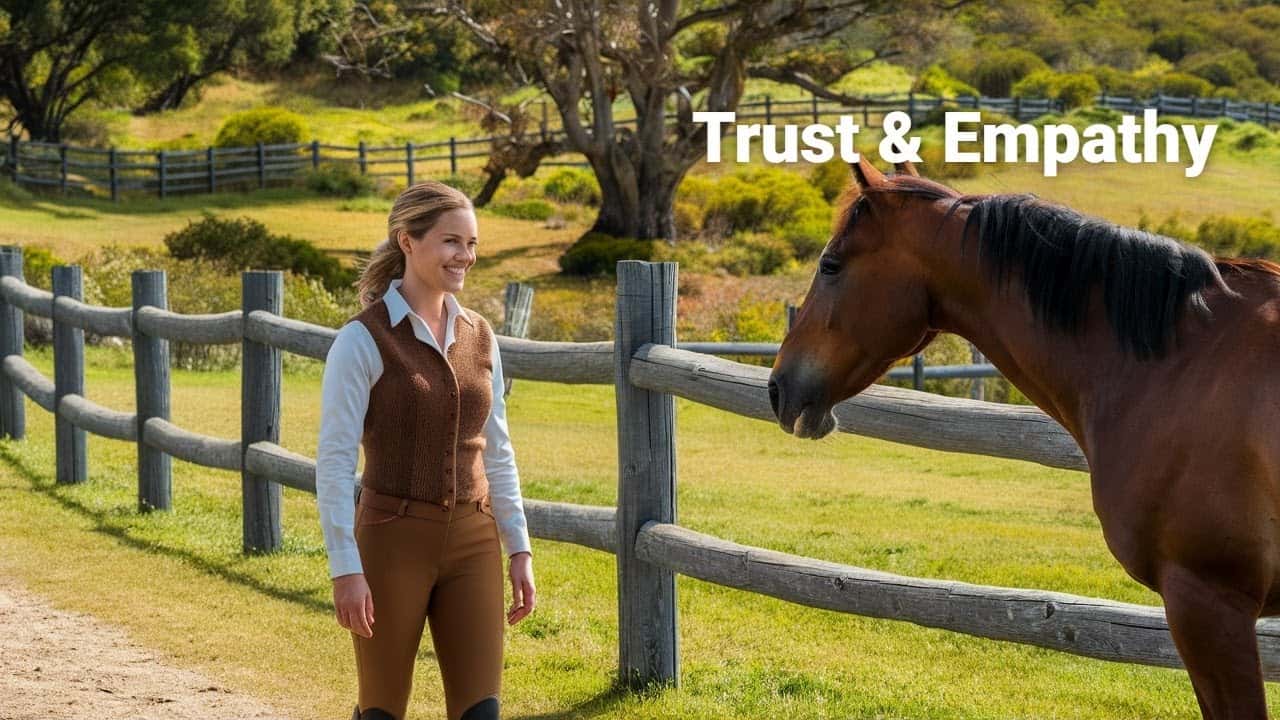
What Is Equine Therapy, and How Can It Support Emotional Growth?

Equine therapy incorporates interactions with horses into a structured therapeutic or supportive program. Depending on the setting and the individual’s needs, activities may include grooming a horse, observing its behaviour, practising safe handling, or completing guided exercises with a horse on the ground. Horseback riding is not always part of the experience.

Horses respond to their surroundings and the behaviour of the people around them. Their reactions can encourage participants to pay attention to body language, emotional responses, and communication patterns. With guidance from qualified professionals, these interactions can become opportunities to recognize habits that may also influence relationships and daily life.

For people experiencing addiction, emotional growth can be an important part of recovery. Substance use may become a way to cope with grief, stress, loneliness, trauma, or feelings that seem too difficult to manage. Although substances may offer temporary relief, they can make underlying problems harder to address over time.

Equine therapy can provide another setting in which individuals practise responding to emotions, building confidence, and developing healthier coping skills. It is not a standalone cure for addiction or mental health conditions. Instead, it may complement evidence-based treatment and other forms of professional support.

How Horses Encourage Emotional Awareness

Recognizing emotions is an essential part of lasting recovery. People cannot always change a reaction they do not understand. Learning to identify feelings, notice physical responses, and recognize emotional triggers can help individuals make more intentional decisions.

Recognizing Feelings Without Judgment

Some people find it difficult to identify what they are feeling. Anger may hide sadness, irritability may reflect exhaustion, and the urge to withdraw may come from fear or shame. When emotions have been ignored for a long time, recognizing them can take practice.

Interactions with horses may encourage people to slow down and observe their reactions. A participant might notice tension when approaching a horse, frustration when an activity becomes challenging, or relief when an interaction feels calm.

With appropriate guidance, these observations can lead to useful questions:

  • What am I feeling right now?
  • What happened just before this feeling appeared?
  • Where do I notice tension in my body?
  • What would help me respond more calmly?
  • Is there a healthier way to handle this situation?

These questions can also be explored in individual counselling or group therapy. Over time, greater emotional awareness may help people identify situations that increase stress or contribute to substance use.

Understanding the Connection Between Emotions and Behaviour

Emotions influence decisions, but they do not have to control them. Someone who feels rejected may want to isolate themselves. Another person experiencing anxiety may feel an urge to use substances to escape uncomfortable thoughts.

Equine-assisted activities can create opportunities to notice these reactions and practise a different response. For example, a participant who becomes frustrated during an exercise may learn to pause, breathe, and try a calmer approach rather than giving up immediately.

This ability to create space between a feeling and an action is valuable in recovery. It helps individuals consider their options instead of relying automatically on familiar coping patterns.

Building Confidence Through Small Achievements

Addiction and ongoing emotional distress can affect a person’s confidence. Repeated setbacks, strained relationships, and regret about past decisions may create the belief that meaningful change is out of reach.

Emotional growth involves gradually challenging that belief through realistic experiences of progress.

Learning Through Patience and Practice

Working with a horse may require a participant to follow instructions, pay attention to safety, adjust their approach, and remain patient when an activity does not go as expected. These experiences can encourage persistence without demanding perfection.

The same principle applies to recovery. Attending a treatment appointment, being honest about a difficult emotion, asking for help, or using a coping skill during a stressful moment can represent important progress.

Rather than measuring success only by major milestones, individuals can learn to recognize the smaller decisions that support change.

For instance, someone who previously reacted to stress by drinking may begin calling a trusted support person instead. Another person may practise discussing a concern with a therapist instead of avoiding the conversation.

Each healthy choice provides an opportunity to strengthen confidence and develop a more constructive relationship with oneself.

Replacing Self-Criticism With Accountability

Confidence does not require pretending that past mistakes never happened. It involves acknowledging those experiences while recognizing the ability to make different choices.

Self-criticism can make it harder to seek support, especially when shame creates the impression that a person does not deserve help. Accountability offers a more useful path. It focuses on understanding what happened, accepting responsibility where appropriate, and taking practical steps toward improvement.

In addiction recovery, this may involve repairing relationships, following a treatment plan, identifying relapse risks, or learning to communicate honestly.

Progress may be uneven, but a difficult day does not erase the work already completed. Lasting change depends on returning to healthy practices and seeking support when needed.

Developing Trust and Healthier Relationships

Trust can become complicated when addiction affects family life, friendships, or romantic relationships. Individuals may lose confidence in their own judgment, while loved ones may need time to feel secure again.

Equine therapy can provide opportunities to practise patience, respect, and consistent communication in a structured environment.

Learning to Communicate Without Words

Horses respond to more than verbal instructions. Their reactions can draw attention to posture, movement, tone, and approach. Participants may become more aware of how their behaviour affects an interaction.

This awareness can encourage reflection on everyday communication. For example, a person may notice that frustration causes them to speak harshly, while anxiety leads them to avoid difficult conversations.

Recognizing these patterns is a useful first step toward change. In counselling, individuals can practise expressing needs clearly, listening without becoming defensive, and responding to conflict more thoughtfully.

Respecting Boundaries and Building Trust Gradually

Healthy relationships require respect for personal space, individual limits, and the freedom to say no. Working safely with horses can reinforce the importance of approaching calmly, recognizing signs of discomfort, and avoiding force.

These lessons are relevant to recovery because rebuilding relationships takes more than promises. Trust develops through consistent actions, honest communication, and respect for other people’s boundaries.

Family members may need time before they feel comfortable restoring responsibilities or increasing contact. A person in recovery can acknowledge those concerns without demanding immediate forgiveness.

Healthy boundaries protect everyone involved. They allow relationships to develop at a realistic pace while supporting accountability and emotional safety.

Equine Therapy and Addiction Recovery

Emotional growth can be particularly important for people working to overcome substance use disorders. Recovery often involves understanding the reasons substance use became a coping strategy and developing alternatives that support long-term well-being.

Identifying Triggers and Practising New Coping Skills

Stressful situations, painful memories, social pressure, and relationship difficulties can increase the risk of returning to substance use. Learning to recognize these triggers helps individuals prepare for challenging moments.

An equine-assisted activity may reveal how someone responds to uncertainty, frustration, or a task that requires patience. These reactions can become useful topics for discussion with a qualified therapist.

The goal is not to interpret every interaction with a horse as a clinical assessment. Instead, guided activities may provide experiences that help participants reflect on their responses and connect those observations to their treatment goals.

Practical coping strategies may include:

  • Taking a brief pause before reacting to stress.
  • Using breathing or grounding exercises when emotions intensify.
  • Contacting a trusted person when cravings become difficult to manage.
  • Avoiding situations associated with a high risk of substance use.
  • Discussing emotional triggers and setbacks openly with a treatment professional.
  • Following an individualized relapse prevention plan.

These skills work best when practised consistently and supported by appropriate clinical care.

Addressing Mental Health Alongside Substance Use

Addiction can occur alongside depression, anxiety, trauma-related symptoms, and other mental health concerns. When these challenges overlap, treatment should address the person’s needs as a whole rather than focusing exclusively on substance use.

Equine therapy may complement treatment by providing additional opportunities to practise emotional awareness and interpersonal skills. However, it should be integrated thoughtfully into a broader care plan that may include counselling, psychiatric services, medical support, or other evidence-based interventions.

The appropriate combination depends on the person’s circumstances, symptoms, preferences, and clinical needs.

Integrating Equine Therapy Into Individualized Care

There is no single recovery plan that works for everyone. Treatment should reflect a person’s history, goals, support system, and level of care needed.

Inpatient and Outpatient Treatment Options

Inpatient treatment can provide a structured setting for individuals who need intensive support and a break from environments associated with substance use. Outpatient treatment allows people to receive professional care while continuing to manage responsibilities at home, work, or school.

Both approaches may include counselling, recovery education, relapse prevention, and support for co-occurring mental health concerns. Whether equine therapy is available or appropriate depends on the specific program.

People considering treatment should ask providers about clinical qualifications, safety procedures, the role of equine-assisted activities, and how these experiences connect with measurable treatment goals.

Supporting Holistic and Faith-Based Recovery

Emotional health is connected to physical well-being, relationships, personal values, and a sense of purpose. A holistic approach considers these dimensions alongside clinical treatment.

For individuals who find meaning in spirituality, faith-based support may also be an important part of recovery. Prayer, spiritual reflection, or participation in a faith community can offer encouragement when these practices align with personal beliefs.

Equine therapy may fit into a broader plan that respects these preferences while maintaining appropriate clinical standards. The aim is to support the whole person, not to replace necessary medical or psychological care.

How to Continue Your Emotional Growth Beyond the Stable

The lessons explored through equine therapy can be carried into everyday life, whether or not a person has regular access to horses.

Start by noticing your emotional responses without immediately judging them. When a difficult feeling arises, pause and consider what may have triggered it. Next, choose one practical action that supports your well-being, such as taking a short walk, speaking with a trusted person, or writing down your thoughts before responding to a stressful situation.

It can also help to set realistic goals. Instead of expecting to repair every relationship at once, focus on one honest conversation or one commitment you can keep. Instead of demanding that anxiety disappear, practise responding to it with healthier coping strategies.

Most importantly, recognize when additional support is needed. Emotional growth can be difficult to manage alone, especially when addiction, trauma, or significant mental health symptoms are involved. A qualified professional can help you develop skills that match your needs and provide guidance through setbacks.

Conclusion: Take a Meaningful Step Toward Healing

Healing beyond words means discovering new ways to understand yourself, manage difficult emotions, and connect with others. Equine therapy can offer a distinctive environment for practising patience, confidence, trust, and emotional awareness. When combined with professional addiction treatment and individualized mental health care, these experiences may contribute to a more comprehensive approach to recovery.

You do not need to have everything figured out before asking for help. Whether you are struggling with substance use, facing emotional challenges, or supporting someone you love, the next step can begin with a conversation.

Reach out to a qualified treatment provider to discuss your needs and explore suitable options, including inpatient or outpatient care and complementary approaches such as equine-assisted therapy where available. With the right support, practical coping skills, and a treatment plan built around your goals, emotional growth can become part of a healthier and more sustainable future.

What Horses Can Teach Us About Boundaries, Trust, and Lasting Recovery

Addiction can affect the way people trust themselves, connect with others, and maintain healthy boundaries. Rebuilding these skills takes time, patience, and consistent support. Equine therapy offers a unique way to explore these challenges through interactions with horses, helping individuals develop greater emotional awareness, practise clear communication, and build confidence as they work toward lasting recovery. When combined with professional addiction treatment and mental health support, the healing presence of horses can offer valuable lessons that extend well beyond the stable.

How Equine Therapy Supports Addiction Recovery

Equine therapy, also known as equine-assisted therapy or equine-assisted activities, incorporates interactions with horses into a structured therapeutic experience. Depending on the program, participants may groom horses, observe their behaviour, guide them through simple activities, or learn how to approach and handle them safely. Horseback riding is not necessarily involved.

Horses respond to their surroundings and the behaviour of the people interacting with them. Their reactions can encourage participants to pay attention to body language, emotional responses, communication, and personal space. With guidance from qualified professionals, these experiences can help people recognize patterns that also appear in their relationships and everyday lives.

For individuals recovering from substance use disorders, these lessons can be especially meaningful. Addiction may contribute to broken trust, impulsive decisions, strained family relationships, and difficulty managing uncomfortable emotions. Equine therapy can provide opportunities to practise healthier responses in a supportive environment.

It is important to remember that equine therapy complements professional treatment rather than replacing medical care, counselling, or other evidence-based recovery services.

H2: Learning Healthy Boundaries Through Horses

Healthy boundaries help people understand their own needs while respecting the needs of others. They influence how individuals communicate, respond to pressure, protect their well-being, and maintain relationships. However, addiction and emotional distress can make boundaries difficult to recognize or maintain.

Interactions with horses can provide a practical way to explore these skills.

H3: Respecting Personal Space

Horses have their own comfort zones. Approaching too quickly, ignoring signs of discomfort, or using force may create an unwanted reaction. Learning to approach a horse calmly and respect its space encourages patience and awareness.

These lessons can translate into everyday relationships. People in recovery may need to recognize when they feel uncomfortable, communicate their limits clearly, and respect the boundaries established by family members or friends.

For example, someone who previously struggled to say no to social pressure might practise expressing a clear limit without becoming aggressive or apologizing excessively. Similarly, a person rebuilding family relationships may need to understand that loved ones can care about their recovery while still requiring time and consistent behaviour before trust returns.

Healthy boundaries are not about shutting people out. They help create relationships in which safety, respect, and personal responsibility can grow.

H3: Understanding That Boundaries Require Consistency

Setting a boundary once is not always enough. Maintaining it often requires repeated decisions, especially when stress, guilt, or pressure arises.

Working with horses can highlight the value of consistency. Calm, clear, and respectful behaviour helps establish predictable interactions. In recovery, consistency also matters. Keeping commitments, following treatment recommendations, and recognizing personal limits can gradually support a more stable lifestyle.

Over time, these small actions can strengthen confidence and help people make decisions that align with their recovery goals.

H2: Rebuilding Trust One Step at a Time

Trust can be difficult to restore after addiction has affected personal relationships. Individuals may struggle to trust their own judgment, while family members and friends may feel uncertain about what to expect. Rebuilding trust requires honesty, patience, accountability, and time.

Equine therapy can provide opportunities to practise trust without expecting immediate results.

H3: Developing Trust Through Patient Communication

Horses do not respond to words alone. Their reactions can encourage people to become more aware of their posture, movements, tone, and emotional state. Participants may discover that slowing down and communicating more clearly helps create a better interaction.

This experience can encourage reflection on how communication affects relationships outside the stable. For instance, a person may recognize that frustration leads them to withdraw, raise their voice, or react before considering the consequences.

Learning to pause, observe, and respond thoughtfully can support healthier communication during recovery. These skills can also be practised in counselling, family therapy, support groups, and everyday conversations.

H3: Accepting That Trust Takes Time

A single positive interaction does not create lasting trust. The same principle applies to recovery.

Loved ones may need time to see consistent changes before feeling secure again. Individuals may also need time to rebuild confidence in their ability to manage stress, follow through on commitments, and make healthy choices.

Rather than focusing on immediate approval, recovery involves taking responsibility for the next appropriate action. This might mean attending a scheduled counselling session, being honest about a difficult experience, or reaching out for help before a challenging situation becomes overwhelming.

Progress is often built through repeated actions rather than dramatic moments. Patience allows trust to develop at a realistic pace.

H2: Recognizing Emotions Before They Lead to Unhealthy Choices

Emotional distress can play a significant role in substance use. Some people turn to alcohol or drugs to cope with anxiety, loneliness, anger, grief, or unresolved trauma. Although substances may temporarily change how a person feels, relying on them can make emotional difficulties harder to manage over time.

Equine-assisted experiences may help participants become more attentive to their emotional responses.

H3: Practising Emotional Awareness

When interacting with a horse, a person may notice tension, impatience, nervousness, or uncertainty. With appropriate professional guidance, these observations can become opportunities to explore what is happening internally.

For example, someone who feels frustrated when a horse does not respond as expected might discover that they have difficulty tolerating uncertainty. Another participant may notice a tendency to become anxious when they cannot control an outcome.

Recognizing these reactions does not mean that a person has failed. Instead, it provides information that can be explored and addressed through treatment.

Developing emotional awareness can help people identify triggers, understand their needs, and consider healthier ways to respond to stress.

H3: Creating Space Between Feelings and Actions

Recovery does not require people to eliminate difficult emotions. It involves learning how to experience those emotions without automatically acting on them.

A simple pause can make a difference. Before responding to frustration or an urge to use substances, a person can take a breath, identify the feeling, and consider the available choices. Grounding exercises, mindfulness, counselling, and support from trusted people can reinforce this skill.

Interactions with horses may offer a practical setting to practise slowing down and responding with greater intention. These lessons can then be incorporated into an individualized relapse prevention plan.

H2: Building Confidence Through Small Accomplishments

Addiction can affect self-esteem, particularly when people feel ashamed of past decisions or doubt their ability to change. Recovery offers an opportunity to develop a more realistic and supportive view of oneself.

Equine therapy can help participants focus on achievable tasks rather than expecting immediate perfection.

H3: Recognizing Progress Without Demanding Perfection

Successfully approaching a horse, following safety instructions, or completing a guided activity may seem like a small accomplishment. However, these experiences can help participants recognize their ability to learn, adapt, and persist.

The same approach can be useful in addiction recovery. Attending an appointment, asking for support, practising a coping strategy, or setting a healthy boundary can all represent meaningful progress.

Setbacks may happen, and they do not erase the effort already invested. What matters is how a person responds, learns from the experience, and reconnects with appropriate support.

H3: Strengthening Personal Responsibility

Confidence grows when people recognize that their actions matter. Caring for or working alongside a horse may encourage attention, preparation, patience, and follow-through.

These qualities can also support recovery routines, including maintaining appointments, following a treatment plan, improving sleep habits, and rebuilding healthy relationships.

Personal responsibility is not the same as self-blame. It means recognizing the choices available today and taking manageable steps toward a healthier future.

H2: Integrating Equine Therapy Into a Personalized Treatment Plan

Every person’s experience with addiction and mental health is different. Effective care should reflect individual needs, personal circumstances, treatment history, and recovery goals. Equine therapy may be a helpful complementary option for some people, but it is not appropriate or necessary for everyone.

H3: Combining Equine Therapy With Professional Mental Health Care

A comprehensive recovery plan may include individual counselling, group therapy, medical support, relapse prevention, family involvement, and treatment for co-occurring mental health conditions.

Inpatient treatment can provide a structured environment for people who need intensive support, while outpatient services allow individuals to receive care while continuing with responsibilities at home, work, or school. The appropriate level of care depends on a professional assessment of the person’s needs and circumstances.

When included in a treatment plan, equine therapy can provide another setting in which to practise emotional awareness, communication, boundaries, and confidence. Discussions with a qualified therapist can help participants connect these experiences to their recovery goals.

H3: Making Room for Holistic and Faith-Based Support

Recovery often involves more than stopping substance use. People may also want to rebuild relationships, rediscover meaning, strengthen their physical well-being, and reconnect with personal values.

A holistic approach can address emotional, social, physical, and spiritual needs alongside clinical treatment. For individuals who value faith, spiritual practices, prayer, or connection with a faith community may provide additional encouragement when integrated according to their preferences.

Personalized care should respect each person’s beliefs, culture, circumstances, and goals. The purpose is to create a practical, sustainable plan that supports the whole person without overlooking the importance of qualified clinical care.

H2: Practical Lessons From Horses That You Can Apply to Recovery

The lessons associated with equine therapy can also inform everyday recovery practices. Even without direct access to a horse, individuals can begin developing these skills in daily life.

  • Pause before reacting. When stress rises, take a moment to breathe and consider your response before acting.
  • Communicate clearly. Express your needs honestly while respecting the needs and boundaries of others.
  • Build trust through action. Keep realistic commitments and recognize that rebuilding relationships takes time.
  • Notice emotional triggers. Identify situations, thoughts, or feelings that may increase the urge to use substances.
  • Celebrate manageable progress. Recognize small, healthy choices instead of judging yourself against unrealistic expectations.
  • Ask for support early. Contact a counsellor, recovery professional, sponsor, or trusted support person when challenges begin to feel difficult to manage.

These practices are not a substitute for professional treatment. However, they can reinforce the skills developed through counselling and other recovery services.

H2: Take the Next Step Toward Lasting Recovery

Horses can offer valuable opportunities to explore trust, boundaries, patience, and emotional awareness. Through carefully guided interactions, individuals may gain new perspectives on how they relate to themselves and others. These lessons can support the broader work of addiction recovery, particularly when combined with professional mental health treatment and a personalized care plan.

Recovery does not depend on changing everything at once. It begins with recognizing the need for support and taking one meaningful step forward. Whether you are seeking help for yourself or supporting someone you care about, reaching out to a qualified treatment professional can help clarify the available options.

If addiction, anxiety, emotional distress, or strained relationships are affecting your life, consider exploring treatment that reflects your individual needs. With appropriate support, consistent effort, and a plan built around your goals, it is possible to develop healthier boundaries, rebuild trust, and work toward lasting recovery.

Finding Calm Through Connection: How Horses Can Support Addiction and Mental Health Recovery

Recovery from addiction can be an exhausting process, especially when substance use has become a way of coping with stress, anxiety, trauma, loneliness, or other painful emotions. Lasting recovery involves learning new ways to manage those experiences while rebuilding trust, confidence, and connection. Equine therapy can offer a distinctive setting for that work by bringing individuals into a calm, interactive environment where they can practise awareness, communication, emotional regulation, and healthy connection. For people receiving addiction recovery or mental health treatment, working with horses can become a meaningful part of a broader, individualized approach to healing.
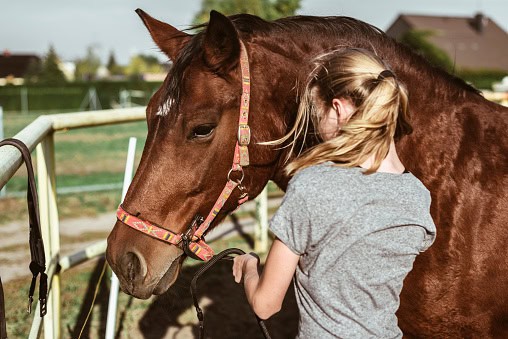
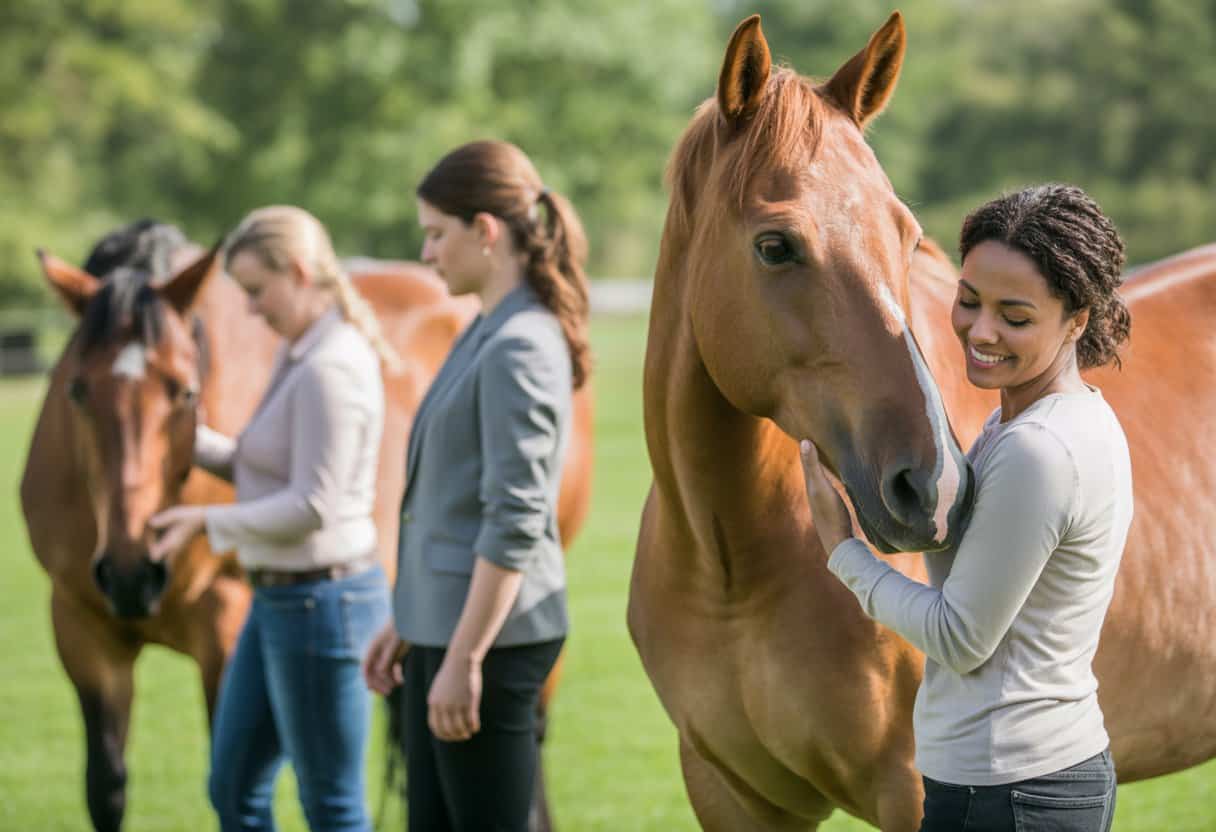
The presence of a horse can encourage a person to slow down and focus on what is happening in the moment. There is no need to explain every feeling immediately. Instead, individuals can observe their reactions, notice how they communicate, and learn how their behaviour affects an interaction. With appropriate professional guidance, these experiences can provide valuable insights that support recovery beyond the therapy setting.

Understanding Equine Therapy in Recovery

Equine therapy involves structured, therapeutic interactions with horses. Depending on the individual’s goals and the treatment approach, activities may include grooming, observing, leading, or other forms of guided interaction.

It is important to remember that equine therapy is not necessarily about riding. The focus is often on the therapeutic relationship and what individuals can learn through the experience.

Why Connection Matters

Addiction can leave people feeling disconnected from themselves and the people around them. Someone may withdraw from family, lose interest in activities they once enjoyed, or become uncomfortable expressing emotions.

Working with a horse can create an opportunity to experience connection without the pressure of a conventional conversation.

The interaction happens in real time. Individuals have to pay attention to their own actions and the horse’s responses. As a result, they may begin recognizing patterns in how they approach situations, handle uncertainty, communicate needs, and respond to frustration.

Horses Can Encourage Mindfulness

Mindfulness is not about making difficult thoughts disappear. It involves becoming more aware of the present moment without immediately reacting to everything that arises.

This can be particularly useful during addiction recovery.

Staying Focused on the Present

People dealing with addiction may spend considerable time thinking about past mistakes or worrying about what could happen next. While those concerns are understandable, constantly living in the past or future can make it difficult to respond effectively to the present.

Interactions with horses can encourage a more immediate focus.

A person may need to observe the horse’s movements, pay attention to their own body language, and make deliberate decisions about what to do next. This creates a practical opportunity to practise being present.

Over time, similar skills can be applied when dealing with cravings, stress, difficult conversations, or emotional triggers.

Developing Emotional Awareness

Emotional awareness is an important part of mental health and addiction recovery. Before a person can change an unhealthy response, they often need to recognize what is happening internally.

Equine therapy can provide situations where emotions become easier to notice.

Recognizing Reactions Without Judgment

Imagine someone becomes frustrated because a horse does not respond as expected. That frustration can become a useful therapeutic moment.

Instead of viewing the emotion as a failure, the individual can explore it.

What caused the frustration?

Was there anxiety underneath it?

Did the person become impatient?

Did they feel rejected or out of control?

What happened after they paused?

Questions like these can help individuals understand emotional patterns. Those patterns may also appear in relationships, work, family situations, or moments when cravings occur.

The goal is not to eliminate difficult emotions. It is to develop healthier ways of recognizing and responding to them.

Building Emotional Regulation Skills

For many people in addiction recovery, emotional regulation is a major area of growth. Substances may have been used as a quick way to escape uncomfortable feelings.

Recovery requires alternatives.

Creating a Pause Before Reacting

A horse may respond differently depending on how a person approaches it. This can encourage individuals to slow down and adjust their behaviour instead of forcing an outcome.

That lesson has practical relevance.

When someone experiences anger, anxiety, or an urge to use substances, there can be a tendency to react immediately. Recovery involves creating space between the feeling and the action.

That space might involve taking several breaths, talking with a counsellor, leaving a stressful situation, contacting a support person, or using another coping strategy.

Equine therapy can provide a hands-on environment in which the value of that pause becomes easier to understand.

Rebuilding Confidence During Recovery

Addiction often damages self-confidence. People may feel defined by past choices, broken relationships, or previous attempts to stop using substances.

Rebuilding confidence takes consistent effort.

Small Accomplishments Can Make a Difference

Equine therapy can create opportunities for manageable accomplishments. Completing an activity, communicating clearly, remaining patient, or successfully adjusting to an unexpected response can provide evidence that an individual is capable of learning and changing.

These experiences may seem simple, but they can carry significant emotional weight.

Recovery is rarely one dramatic breakthrough. More often, it is a collection of smaller decisions that gradually create a healthier pattern.

Every time a person handles a difficult situation without returning to substance use, communicates honestly, or asks for help, they are strengthening their recovery skills.

Learning Trust and Healthy Boundaries

Trust is another important part of addiction recovery. Substance use can damage relationships and make it difficult for individuals to trust themselves or others.

Equine therapy can provide an opportunity to explore trust in a practical way.

Understanding Communication and Boundaries

Healthy communication involves paying attention to another person’s signals while also expressing your own needs appropriately.

Interactions with horses can reinforce similar principles. Individuals may learn that rushing, ignoring signals, or becoming overly forceful does not necessarily create a positive interaction. Patience, observation, and consistency can produce a different experience.

With professional guidance, these observations can lead to deeper discussions about relationships and personal boundaries.

Those lessons can be valuable when repairing relationships with family members, partners, friends, and colleagues.

Combining Equine Therapy With Comprehensive Care

Equine therapy works best when considered as part of a broader approach to recovery rather than as a standalone solution for addiction or mental health concerns.

Addiction can involve biological, psychological, social, and environmental factors. Effective treatment may therefore require several forms of support.

Inpatient and Outpatient Treatment

Some individuals need the structure and stability of inpatient care, particularly when substance use or mental health concerns have significantly disrupted daily life. Others may benefit from outpatient treatment that provides professional support while allowing them to continue working, attending school, or maintaining family responsibilities.

The appropriate level of care depends on the individual’s circumstances.

Within either setting, an individualized treatment plan can incorporate different therapeutic approaches when appropriate. Equine therapy may complement counselling, behavioral strategies, relapse prevention work, family support, or other services.

Holistic and Faith-Based Support

Holistic recovery considers more than substance use. Emotional health, relationships, physical well-being, personal values, spirituality, and a person’s sense of purpose can all influence the recovery journey.

For individuals who value spirituality, faith-based support may provide an additional source of meaning and encouragement.

The most important consideration is that treatment should reflect the person’s needs, goals, beliefs, and circumstances rather than forcing everyone into the same model.

Practical Lessons You Can Carry Into Daily Life

The value of equine therapy can extend beyond time spent with horses. Several principles can become useful recovery tools in everyday situations.

Practise the Pause

When emotions rise, take a moment before making a decision. A short pause can create room for a healthier response.

Pay Attention to Your Body

Tension, rapid breathing, restlessness, and other physical signals can sometimes appear before an emotional reaction becomes obvious. Learning to notice these signs can help you respond earlier.

Respect Boundaries

Healthy relationships depend on recognizing both your own boundaries and those of other people. Clear communication and consistent behaviour help build trust.

Focus on Progress

Recovery does not require perfection. Look for evidence of change in your daily choices, even when progress feels slow.

Ask for Support

Trying to handle addiction or serious emotional difficulties alone can make recovery harder. Professional care and supportive relationships can provide accountability, perspective, and encouragement.

Finding Calm Through Connection

The healing process is not always about finding the perfect words. Sometimes people need an experience that allows them to slow down, observe, and reconnect with themselves before they can fully explain what they are feeling.

That is one reason equine therapy can hold a meaningful place within holistic addiction recovery and mental health treatment. Through guided interaction with horses, individuals can explore mindfulness, emotional awareness, communication, confidence, trust, and boundaries in a setting that encourages presence.

Horses cannot replace professional addiction treatment or mental health care. However, when equine therapy is appropriately integrated into an individualized treatment plan, it can complement other forms of support and provide practical opportunities for emotional growth.

If addiction, anxiety, emotional distress, or another mental health concern is affecting your daily life, reaching out for professional help is a meaningful step. Whether inpatient or outpatient care is appropriate, the right treatment can provide structure, guidance, and tools for moving forward.

You do not have to have everything figured out before asking for help. Recovery begins with connection, and sometimes that connection starts by simply slowing down, becoming present, and taking the next healthy step.

The Healing Presence of Horses: How Equine Therapy Supports Emotional Wellness

Healing from addiction and emotional distress often requires more than addressing symptoms. People may need to rebuild trust, understand difficult emotions, regain confidence, and rediscover a sense of connection with themselves and others. Equine therapy offers a unique way to support emotional wellness by bringing people into a calm, interactive environment with horses. Through guided experiences, individuals can learn about communication, boundaries, emotional regulation, patience, and self-awareness while developing skills that can support long-term recovery.

For someone struggling with addiction, anxiety, depression, trauma, or other mental health concerns, traditional talk therapy can be an important part of treatment. However, not everyone finds it easy to express everything through conversation. Equine therapy can provide another avenue for exploration. The experience of working with a horse can make emotions and behavioral patterns easier to notice, discuss, and understand.

When incorporated into a broader treatment plan, equine therapy can support a holistic approach to addiction recovery and mental health care.

What Is Equine Therapy?

Equine therapy involves guided interactions with horses as part of a therapeutic process. Depending on the program and an individual’s treatment goals, activities may include observing, grooming, leading, or interacting with horses.

It is important to understand that equine therapy is not necessarily about horseback riding. The therapeutic value can come from the relationship and interaction between the individual, the horse, and the professionals guiding the experience.

The goal is to use these interactions as opportunities for reflection and growth.

Why Horses Can Be Helpful in Therapy

Horses are highly responsive to their surroundings. Their reactions can encourage individuals to pay attention to their own body language, emotions, movements, and communication style.

This creates opportunities for greater self-awareness.

For someone who is accustomed to avoiding uncomfortable feelings through alcohol or drugs, becoming more aware of those feelings can be an important recovery skill. Instead of immediately reacting, the person can begin learning to pause, observe, and choose a healthier response.

How Equine Therapy Supports Emotional Wellness

Emotional wellness involves understanding feelings, coping with stress, maintaining healthy relationships, and responding to challenges in constructive ways. These abilities can be especially important for people recovering from addiction.

Developing Emotional Awareness

Addiction can become a way of avoiding difficult emotional experiences. Anger, grief, loneliness, fear, shame, and anxiety may become difficult to process without substances.

Equine therapy can create situations in which emotions naturally become noticeable.

An individual might feel nervous when approaching a horse or frustrated when an activity does not go as expected. With appropriate guidance, that experience can become an opportunity to explore what is happening internally.

What thoughts are coming up?

What physical sensations are present?

How does the person respond to frustration?

What happens when they slow down?

These observations can help connect everyday reactions with larger emotional patterns.

Learning Emotional Regulation

Recognizing an emotion is only the beginning. Recovery also involves learning how to respond to emotions without allowing them to control decisions.

Equine therapy can encourage this process by emphasizing patience and presence.

Creating Space Between Feelings and Actions

A strong emotion can create an urge to act immediately. In addiction recovery, that may mean reaching for a substance, withdrawing from others, or reacting impulsively during conflict.

Working with a horse can reinforce the value of slowing down.

An individual may need to pause, observe the horse’s response, adjust their approach, and try again. This process can illustrate an important recovery principle: a difficult moment does not have to determine what happens next.

There can be space between experiencing an emotion and acting on it.

That space can become increasingly valuable as someone develops healthier coping strategies.

Building Confidence Through Positive Experiences

Addiction often affects self-esteem. People may carry regret about choices they made while using substances or feel discouraged by previous attempts at recovery.

Rebuilding confidence takes time.

Small Wins Can Strengthen Recovery

Equine therapy can provide opportunities to accomplish manageable tasks. Successfully communicating with a horse, maintaining patience, following through on an activity, or responding calmly to an unexpected situation can create a genuine sense of achievement.

These experiences can help challenge negative beliefs.

Instead of thinking, “I cannot change,” a person may begin to recognize, “I handled that differently this time.”

That shift matters.

Long-term recovery is often made up of many small decisions and accomplishments. Each healthy choice can strengthen confidence and reinforce the belief that a different future is possible.

Horses, Trust, and Healthy Relationships

Relationships can suffer significantly during addiction. Substance use may contribute to secrecy, broken promises, conflict, and withdrawal. As a result, rebuilding trust can become one of the most difficult parts of recovery.

Equine therapy can provide an opportunity to explore trust and communication in a practical setting.

Understanding Boundaries

Healthy relationships require boundaries. People need to recognize when to approach, when to step back, how to communicate, and how to respect another person’s needs.

Working with horses can provide concrete experiences around these concepts.

If an individual approaches too quickly or ignores the horse’s signals, the interaction may not produce the desired result. Learning to observe and adjust can reinforce the importance of patience and respect.

These lessons can be carried into relationships with family members, friends, coworkers, and treatment professionals.

Equine Therapy as Part of Holistic Addiction Treatment

Addiction recovery is most effective when the person is considered as a whole. Substance use may be connected with emotional health, trauma, relationships, stress, physical well-being, environment, or a loss of purpose.

For that reason, holistic treatment can include multiple forms of support rather than relying on a single approach.

Individualized Care Matters

Every person’s recovery story is different. One individual may need structured inpatient treatment, while another may benefit from outpatient support that allows them to continue working or caring for family responsibilities.

Some people may also find meaning in faith-based recovery, while others may benefit from experiential approaches such as equine therapy.

An individualized treatment plan can take these differences into account.

Equine therapy should not be considered a replacement for professional addiction or mental health treatment. Instead, it can complement counselling and other evidence-informed services when it is appropriate for the individual’s needs.

Supporting Mental Health Beyond Addiction

Emotional wellness matters even when addiction is not present. Anxiety, depression, trauma-related difficulties, chronic stress, and low self-esteem can all affect a person’s quality of life.

Equine therapy may offer a different environment for exploring these concerns.

Returning to the Present Moment

Mental health challenges can make it difficult to stay grounded. Someone may spend considerable time worrying about the future or replaying painful experiences from the past.

Interaction with a horse can encourage attention to what is happening in the present.

The individual must notice the environment, their own actions, and the horse’s responses. This focus can encourage mindfulness and provide an opportunity to practise staying connected to the current moment.

That skill can be useful in everyday life, particularly when dealing with stress or emotional triggers.

What Healing Can Look Like

Healing does not always look dramatic. Sometimes it is a person recognizing a trigger before reacting. Sometimes it is asking for help instead of isolating. It may be rebuilding a damaged relationship, setting a healthy boundary, attending another treatment session, or learning to sit with an uncomfortable emotion without escaping through substance use.

Equine therapy can support these small moments of progress by creating experiences that encourage patience, awareness, communication, and responsibility.

The purpose is not to achieve perfection. It is to develop healthier patterns that can continue long after a therapy session ends.

Take the Next Step Toward Emotional Wellness

The healing presence of horses can offer a meaningful complement to addiction recovery and mental health treatment. Through carefully guided interactions, individuals may have opportunities to explore emotional awareness, confidence, communication, trust, and healthier ways of responding to stress.

However, lasting recovery requires more than one therapeutic experience. It requires appropriate support, consistency, and a treatment plan that reflects the person’s individual circumstances.

Whether someone needs inpatient care, outpatient treatment, mental health support, holistic services, faith-based care, or a combination of approaches, reaching out is an important first step.

If addiction or emotional distress has begun to interfere with your relationships, responsibilities, or sense of well-being, you do not have to wait for things to become worse before seeking support. The right treatment can help you understand what is happening, develop healthier coping skills, and begin building a life that feels more balanced and connected.

Healing can start with one honest conversation, one new experience, and one decision to ask for help.

How Equine Therapy Helps People Reconnect With Themselves During Recovery

Addiction can create distance between a person and the life they once knew. Over time, substance use may affect relationships, confidence, emotional awareness, personal values, and even a person’s sense of identity. Recovery is therefore about more than changing substance use patterns. It is also about reconnecting with yourself and learning how to live with greater honesty, purpose, and emotional balance. Equine therapy can support this process by creating a unique environment where people can slow down, become more present, and learn from their interactions with horses.

Horses offer something that can be difficult to find during a period of emotional distress: a calm, immediate connection with the present moment. Through guided activities with horses, individuals can explore trust, communication, boundaries, emotional regulation, and self-awareness. When equine therapy is incorporated into a broader addiction recovery or mental health treatment plan, it can provide another meaningful pathway toward personal growth.

Why Reconnecting With Yourself Matters in Recovery

Addiction can gradually change the way people see themselves. Someone may begin defining themselves by their substance use, past mistakes, damaged relationships, or feelings of shame. They may stop recognizing their own strengths and lose touch with interests, values, and goals that once mattered.

Recovery creates an opportunity to rediscover those parts of yourself.

Addiction Can Disrupt Self-Awareness

Substance use is sometimes used to avoid uncomfortable emotions. Alcohol or drugs may temporarily reduce anxiety, numb sadness, or provide an escape from difficult circumstances. However, avoiding emotions can make it harder to understand what you actually need.

Healthy recovery involves learning to recognize emotions rather than automatically escaping them.

Equine therapy can encourage this awareness because working with a horse requires attention. Individuals may become more conscious of their body language, tone, movements, frustration, anxiety, and reactions. These observations can become useful starting points for deeper therapeutic conversations.

Horses Encourage Presence and Awareness

Horses respond to what is happening around them. This makes interaction with them an experience that often requires patience and attention.

Instead of focusing on yesterday’s mistakes or tomorrow’s worries, a person may need to concentrate on what is happening right now.

That simple shift can have value in recovery.

Learning to Slow Down

Many people struggling with addiction live with significant internal pressure. They may feel overwhelmed by cravings, relationship problems, work responsibilities, financial concerns, or unresolved emotional experiences.

Working with a horse can encourage a slower and more deliberate approach.

A person may have to pause before approaching the animal. They may need to observe its behaviour and adjust their own actions. Rather than forcing an outcome, they learn to pay attention and respond appropriately.

These lessons can translate into everyday recovery skills. Taking a pause before reacting to an argument, recognizing a craving before acting on it, or noticing rising anxiety before it becomes overwhelming can all create opportunities to make healthier choices.

Equine Therapy Can Help Build Confidence

Low self-esteem is common among people dealing with addiction and mental health challenges. When someone has experienced repeated setbacks, they may begin to doubt their ability to change.

Confidence, however, can be rebuilt through experience.

Small Accomplishments Have Meaning

Equine therapy can provide opportunities for individuals to work toward manageable goals. Learning to communicate effectively with a horse, remain patient, establish a boundary, or complete a guided activity can create a sense of accomplishment.

These moments may appear small, but recovery is often built through small successes.

Every healthy decision provides another reminder that change is possible. Over time, those experiences can help replace the belief that a person is incapable of growth with a more realistic understanding of their abilities.

Rebuilding Trust Through Connection

Trust can be damaged by addiction. A person may have broken promises to family members, hidden substance use, withdrawn from friends, or made choices that harmed important relationships.

Rebuilding trust takes time.

Equine therapy can provide a setting where individuals can explore what trust and healthy connection look like.

Understanding Boundaries

Healthy relationships require boundaries. People need to understand when to approach, when to give space, how to communicate, and how to respect another person’s needs.

Interactions with horses can create opportunities to think about these concepts in a practical way.

For example, a person may learn that approaching too quickly does not produce the response they expected. They may discover that patience and consistency create a different outcome. With appropriate professional guidance, experiences like these can lead to conversations about relationships, communication, and personal boundaries.

These lessons can become especially useful when rebuilding relationships during addiction recovery.

Supporting Emotional Regulation

Emotional regulation is an important part of long-term recovery. When difficult feelings become overwhelming, returning to familiar coping mechanisms can be tempting.

Healthy treatment helps people develop alternatives.

Recognizing Emotional Triggers

An individual might notice that they become tense, impatient, frustrated, or anxious during a particular interaction with a horse. Rather than simply judging that reaction, therapy can use the experience as an opportunity for reflection.

What caused the reaction?

What thoughts appeared?

How did the body respond?

What happened after the person slowed down?

Questions like these can help increase awareness of emotional patterns. That awareness can be useful when identifying addiction triggers and developing relapse prevention strategies.

A Holistic Approach to Addiction Recovery

Recovery involves the whole person. Effective care may need to address substance use alongside emotional health, relationships, physical well-being, personal values, and long-term goals.

That is why holistic and individualized approaches can be valuable.

Equine therapy should not be viewed as a replacement for professional addiction treatment or mental health care. Instead, it can complement other therapeutic approaches as part of a broader plan designed around the individual’s needs.

Inpatient and Outpatient Support

Different stages of recovery may require different levels of care.

Inpatient treatment can provide structure and stability for people who need a more supportive environment while addressing significant substance use or mental health concerns. Outpatient care can offer continued therapy and accountability while allowing individuals to maintain more of their everyday responsibilities.

Within either setting, individualized treatment can help determine which therapeutic approaches are appropriate.

For some people, equine therapy may become one component of a comprehensive recovery plan. For others, different forms of counselling, behavioral support, family involvement, or faith-based care may be more relevant.

The key is recognizing that recovery does not follow one universal path.

Reconnecting With Your Values and Purpose

One of the most important questions in recovery is often simple: What kind of life do I want to build?

Addiction can make that question difficult to answer.

As recovery progresses, individuals can begin identifying the values they want to live by. They may want to become more present with their children, repair important relationships, return to meaningful work, strengthen their spiritual life, or simply feel comfortable with themselves again.

Equine therapy can support this broader process by encouraging patience, responsibility, awareness, and connection.

When people begin seeing themselves as capable of making healthy choices, recovery becomes about more than avoiding substances. It becomes an opportunity to build a life that feels worth protecting.

Taking the Next Step Toward Healing

Reconnecting with yourself does not happen overnight. It is a gradual process that requires honesty, support, patience, and a willingness to try new ways of responding to life’s challenges. For some individuals, equine therapy can provide a powerful and memorable environment for exploring emotions, rebuilding confidence, strengthening boundaries, and developing greater self-awareness.

Most importantly, you do not have to figure out recovery alone.

Professional addiction recovery services and mental health treatment can provide the structure and guidance needed to address the underlying issues that contribute to substance use. Whether inpatient or outpatient care is appropriate, an individualized plan can help you identify practical tools for moving forward. Holistic and faith-based approaches may also provide meaningful support for people who want recovery to reflect their personal values and beliefs.

If addiction has caused you to lose touch with who you are, reaching out for help can be the beginning of reconnecting with yourself. Recovery is not about becoming someone completely different. It is about rediscovering your strengths, understanding your needs, healing what has been hurt, and creating a healthier direction for the future.