
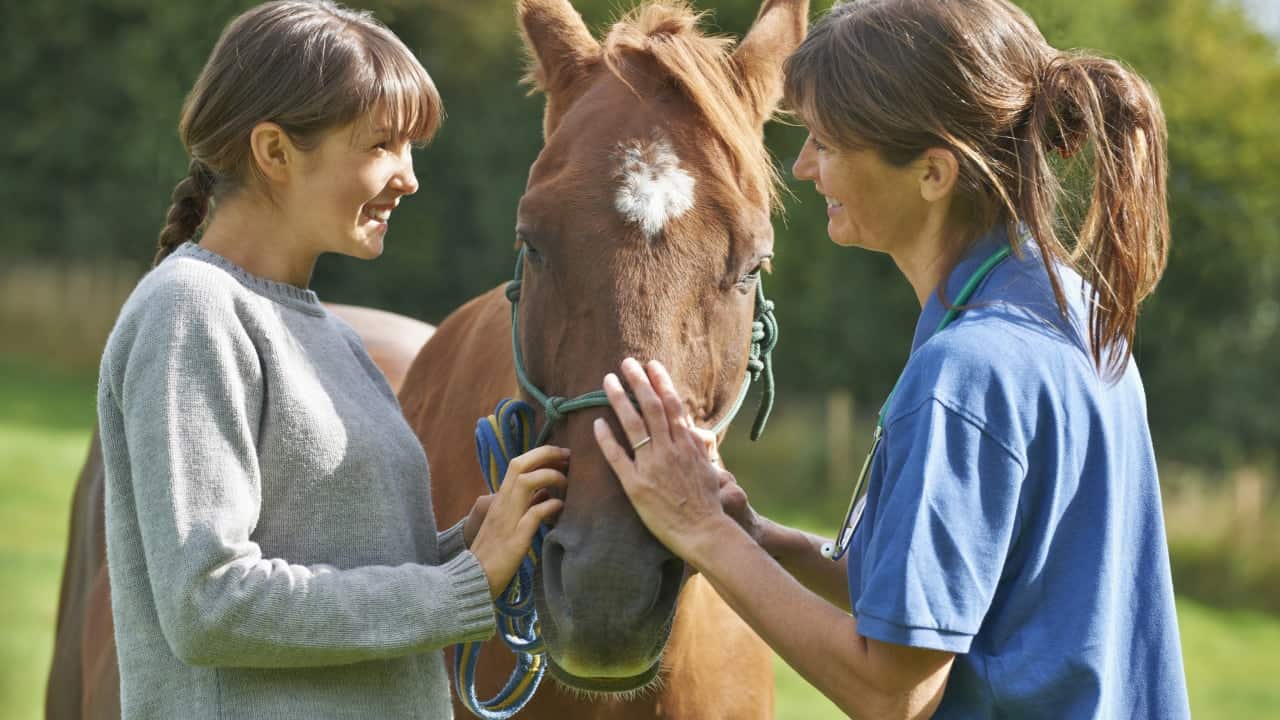
 Recovery from addiction and mental health challenges requires more than traditional therapy. At Djurannons, we recognize that healing is a holistic journey involving mind, body, and spirit. Equine therapy, or horse-assisted therapy, provides a unique and transformative approach. By interacting with horses in a guided, compassionate environment, individuals can explore their emotions, build trust, and develop skills that support long-term emotional recovery.
What Is Equine Therapy?
Equine therapy is a structured, experiential form of therapy where participants engage with horses through activities such as grooming, leading, and observation. Unlike traditional talk therapy, equine therapy emphasizes learning through experience and nonverbal communication. Horses are naturally sensitive to human emotions and respond to subtle changes in energy and body language, providing immediate feedback to participants. This feedback allows individuals to understand their emotional responses, practice self-regulation, and build confidence.
The Emotional Benefits of Working With Horses
Cultivating Mindfulness and Presence
Mindfulness is a crucial tool for emotional wellness and recovery. Horses live in the present moment, responding only to the energy and intentions of the person in front of them. Participants naturally learn to focus on their actions and emotional state, which reduces stress and promotes emotional clarity. Practicing mindfulness in the presence of a horse strengthens attention and patience, skills that are essential for managing triggers and maintaining sobriety.
Building Trust and Confidence
Addiction and trauma can erode trust in oneself and others. Horses respond best to calm, consistent, and confident communication. By learning to interact and guide a horse effectively, participants gain a sense of accomplishment and self-assurance. This trust-building process helps individuals restore confidence in their abilities and encourages healthier relationships with others in their lives.
Emotional Regulation and Resilience
Equine therapy provides immediate feedback on emotional states. If a participant approaches a horse with tension or anxiety, the horse may react cautiously or step back. This allows the individual to recognize emotional patterns and adjust their approach, fostering emotional regulation and resilience. Over time, these skills enhance the ability to cope with stress and reduce the likelihood of relapse.
How Equine Therapy Fits Into Holistic Recovery
At Djurannons, equine therapy is part of a comprehensive treatment plan that includes inpatient and outpatient care, counseling, group therapy, and faith-based support. This holistic model ensures that the lessons learned during equine therapy sessions are reinforced across all areas of recovery. Addressing mind, body, and spirit together strengthens resilience and supports lasting emotional health.
What to Expect in a Session
Professional facilitators guide each session to ensure safety and effectiveness. Activities may include:
- Grooming and caring for horses to foster patience and focus
- Leading exercises to strengthen communication and confidence
- Observing herd behavior to gain insight into social dynamics
- Reflective discussion connecting experiences with personal recovery goals
Each session is tailored to meet the participant’s needs, providing a safe and supportive environment for growth.
Taking the Next Step Toward Emotional Recovery
Equine therapy is more than a unique experience—it is a powerful tool for emotional healing. By fostering mindfulness, trust, and resilience, horses help individuals develop skills that carry over into daily life and support long-term recovery.
If you or a loved one are seeking compassionate, individualized care, Djurannons offers holistic support that integrates equine therapy with mental health treatment, inpatient and outpatient services, and faith-based guidance. Reach out today to begin a journey toward emotional recovery, confidence, and lasting well-being.