
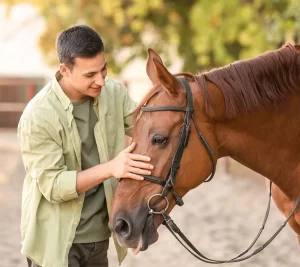
 Recovery is about far more than breaking free from substance use. It is about rediscovering your sense of self, rebuilding trust, and developing the confidence needed to create a healthier future. For many individuals facing addiction and mental health challenges, confidence can be one of the first things lost and one of the hardest things to regain. That is why holistic therapies play such an important role in the healing process. Equine therapy offers a powerful opportunity for personal growth by helping individuals build self-awareness, emotional resilience, and confidence through meaningful interactions with horses. At Djurannons, equine therapy is part of a compassionate, individualized approach to recovery that supports lasting transformation.
Understanding Equine Therapy
Equine therapy, also known as equine-assisted therapy, is an experiential treatment approach that involves structured interactions with horses under the guidance of trained professionals. Unlike traditional therapy sessions that rely primarily on conversation, equine therapy encourages learning through action and experience.
Participants may groom, lead, care for, and interact with horses in ways that promote self-reflection and emotional growth. Horses are highly intuitive animals that respond honestly to human emotions and behavior. Their reactions provide valuable feedback, helping participants gain deeper insight into their thoughts, feelings, and actions.
For individuals in addiction recovery and mental health treatment, these experiences can create powerful opportunities for healing.
Why Confidence Matters in Recovery
Confidence is a critical part of long-term recovery. Many people entering treatment struggle with feelings of shame, guilt, self-doubt, or failure. These emotions can make it difficult to trust themselves, take healthy risks, or believe that lasting change is possible.
Building confidence is not about becoming perfect. It is about developing a sense of self-worth and recognizing personal strengths. As confidence grows, individuals are often better equipped to:
- Set healthy boundaries
- Manage stress effectively
- Make positive decisions
- Build healthy relationships
- Stay committed to recovery goals
Equine therapy helps strengthen these skills in a practical and meaningful way.
How Horses Help Rebuild Confidence
Creating Opportunities for Success
Recovery often involves learning new skills and facing unfamiliar situations. Horses provide a safe environment where participants can experience success through achievable challenges.
Whether leading a horse through an exercise or completing a grooming task, each accomplishment reinforces the belief that progress is possible. These small victories can have a lasting impact on self-esteem and motivation.
Encouraging Honest Self-Awareness
Horses respond to authenticity. They are not influenced by appearances, status, or words. Instead, they react to a person’s emotional state and behavior.
This honest feedback helps participants become more aware of how they communicate and interact with the world around them. Increased self-awareness is an important step toward personal growth and emotional healing.
Developing Trust and Leadership Skills
Many individuals in recovery struggle with trust. Addiction and mental health challenges can strain relationships and create feelings of isolation.
Working with horses requires patience, consistency, and clear communication. As participants learn to build trust with a horse, they often begin rebuilding trust in themselves. These experiences also strengthen leadership skills and encourage greater confidence in decision-making.
The Mental Health Benefits of Equine Therapy
Equine therapy offers benefits that extend beyond addiction recovery. It can also support overall mental wellness by helping individuals manage stress, anxiety, depression, and emotional challenges.
Reducing Anxiety Through Mindfulness
Horses live fully in the present moment. Interacting with them encourages participants to focus on what is happening right now rather than dwelling on past mistakes or future worries.
This mindfulness can help reduce anxiety and create a greater sense of calm. For individuals navigating recovery, learning to stay present is an essential coping skill.
Improving Emotional Regulation
Emotional regulation is often a challenge for those recovering from addiction or managing mental health conditions.
Because horses respond immediately to emotional cues, participants learn to recognize and manage their feelings more effectively. Over time, this can lead to healthier responses to stress, conflict, and everyday challenges.
Strengthening Resilience
Recovery is not always easy. There will be setbacks, challenges, and moments of uncertainty.
Equine therapy teaches resilience by encouraging individuals to remain patient, adaptable, and persistent. These qualities are essential for maintaining long-term recovery and emotional well-being.
Equine Therapy as Part of a Holistic Recovery Plan
At Djurannons, healing is approached from a whole-person perspective. Recovery involves addressing emotional, physical, mental, and spiritual needs.
Equine therapy works alongside a variety of treatment services, including:
Inpatient Addiction Treatment
For individuals who need intensive support, inpatient care provides a structured environment where healing can begin with professional guidance and comprehensive care.
Outpatient Recovery Programs
Outpatient treatment allows clients to continue receiving support while balancing family, work, and personal responsibilities. Equine therapy can enhance these programs by providing practical opportunities for growth and self-discovery.
Mental Health Treatment
Many individuals experience co-occurring mental health conditions such as anxiety, depression, or trauma. Equine therapy complements traditional counseling by offering a unique way to process emotions and build coping skills.
Faith-Based and Individualized Care
Every recovery journey is unique. Personalized treatment plans ensure that each individual receives the support that best aligns with their goals, values, and needs. Equine therapy can be a meaningful part of that individualized path toward healing.
What to Expect During Equine Therapy
No riding experience is required to benefit from equine therapy. In fact, many sessions focus on ground-based activities rather than riding.
Participants may:
- Groom and care for horses
- Lead horses through guided exercises
- Observe herd behavior
- Practice communication and leadership skills
- Reflect on therapeutic lessons with trained professionals
These activities help translate insights gained during sessions into real-life recovery strategies.
Moving Forward With Confidence
Recovery is not simply about leaving addiction behind. It is about building a life that feels purposeful, healthy, and fulfilling. Equine therapy offers a unique opportunity to develop confidence, emotional awareness, and resilience through meaningful connections with horses.
At Djurannons, our commitment to holistic, faith-based, and individualized care helps clients find the tools they need for lasting recovery. Through equine therapy, mental health treatment, inpatient and outpatient programs, and compassionate support, individuals can discover strengths they may not have realized they possessed.
If you or someone you love is seeking support for addiction or mental health challenges, now is the time to take the next step. Reach out today to learn how equine therapy and personalized treatment can help you move forward with confidence, hope, and renewed purpose.