
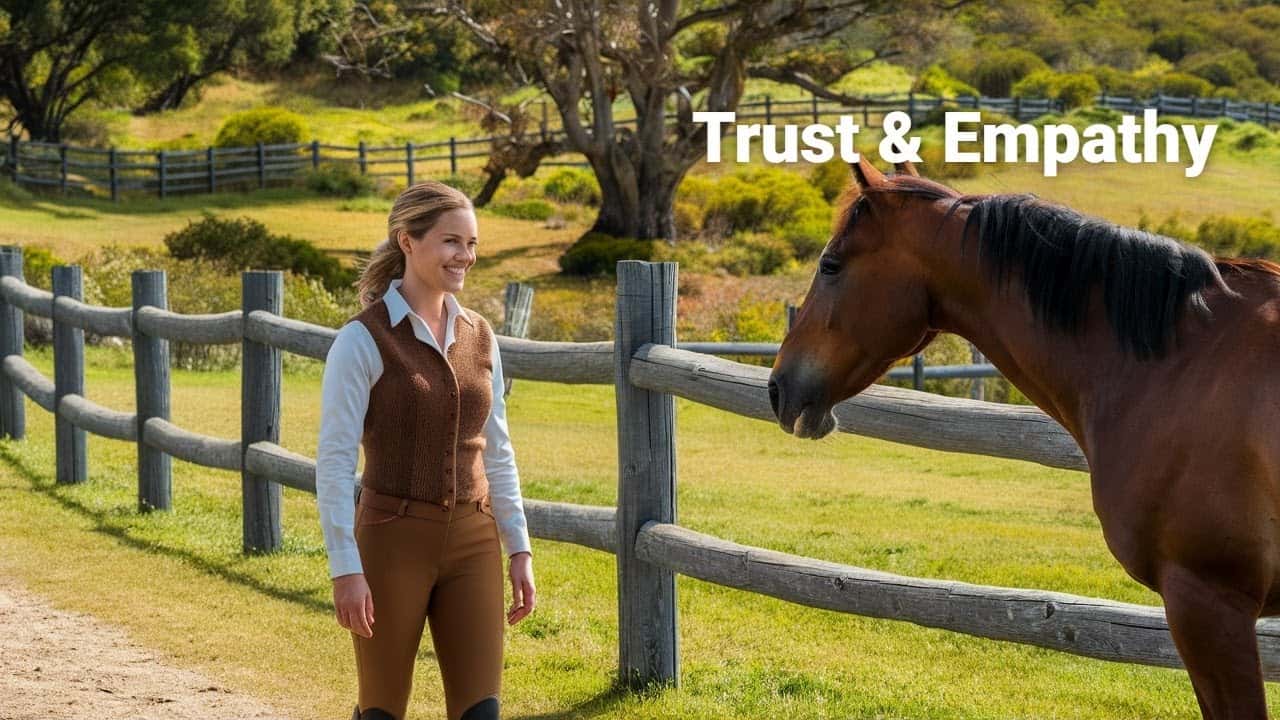
 Addiction can affect the way people trust themselves, connect with others, and maintain healthy boundaries. Rebuilding these skills takes time, patience, and consistent support. Equine therapy offers a unique way to explore these challenges through interactions with horses, helping individuals develop greater emotional awareness, practise clear communication, and build confidence as they work toward lasting recovery. When combined with professional addiction treatment and mental health support, the healing presence of horses can offer valuable lessons that extend well beyond the stable.
How Equine Therapy Supports Addiction Recovery
Equine therapy, also known as equine-assisted therapy or equine-assisted activities, incorporates interactions with horses into a structured therapeutic experience. Depending on the program, participants may groom horses, observe their behaviour, guide them through simple activities, or learn how to approach and handle them safely. Horseback riding is not necessarily involved.
Horses respond to their surroundings and the behaviour of the people interacting with them. Their reactions can encourage participants to pay attention to body language, emotional responses, communication, and personal space. With guidance from qualified professionals, these experiences can help people recognize patterns that also appear in their relationships and everyday lives.
For individuals recovering from substance use disorders, these lessons can be especially meaningful. Addiction may contribute to broken trust, impulsive decisions, strained family relationships, and difficulty managing uncomfortable emotions. Equine therapy can provide opportunities to practise healthier responses in a supportive environment.
It is important to remember that equine therapy complements professional treatment rather than replacing medical care, counselling, or other evidence-based recovery services.
H2: Learning Healthy Boundaries Through Horses
Healthy boundaries help people understand their own needs while respecting the needs of others. They influence how individuals communicate, respond to pressure, protect their well-being, and maintain relationships. However, addiction and emotional distress can make boundaries difficult to recognize or maintain.
Interactions with horses can provide a practical way to explore these skills.
H3: Respecting Personal Space
Horses have their own comfort zones. Approaching too quickly, ignoring signs of discomfort, or using force may create an unwanted reaction. Learning to approach a horse calmly and respect its space encourages patience and awareness.
These lessons can translate into everyday relationships. People in recovery may need to recognize when they feel uncomfortable, communicate their limits clearly, and respect the boundaries established by family members or friends.
For example, someone who previously struggled to say no to social pressure might practise expressing a clear limit without becoming aggressive or apologizing excessively. Similarly, a person rebuilding family relationships may need to understand that loved ones can care about their recovery while still requiring time and consistent behaviour before trust returns.
Healthy boundaries are not about shutting people out. They help create relationships in which safety, respect, and personal responsibility can grow.
H3: Understanding That Boundaries Require Consistency
Setting a boundary once is not always enough. Maintaining it often requires repeated decisions, especially when stress, guilt, or pressure arises.
Working with horses can highlight the value of consistency. Calm, clear, and respectful behaviour helps establish predictable interactions. In recovery, consistency also matters. Keeping commitments, following treatment recommendations, and recognizing personal limits can gradually support a more stable lifestyle.
Over time, these small actions can strengthen confidence and help people make decisions that align with their recovery goals.
H2: Rebuilding Trust One Step at a Time
Trust can be difficult to restore after addiction has affected personal relationships. Individuals may struggle to trust their own judgment, while family members and friends may feel uncertain about what to expect. Rebuilding trust requires honesty, patience, accountability, and time.
Equine therapy can provide opportunities to practise trust without expecting immediate results.
H3: Developing Trust Through Patient Communication
Horses do not respond to words alone. Their reactions can encourage people to become more aware of their posture, movements, tone, and emotional state. Participants may discover that slowing down and communicating more clearly helps create a better interaction.
This experience can encourage reflection on how communication affects relationships outside the stable. For instance, a person may recognize that frustration leads them to withdraw, raise their voice, or react before considering the consequences.
Learning to pause, observe, and respond thoughtfully can support healthier communication during recovery. These skills can also be practised in counselling, family therapy, support groups, and everyday conversations.
H3: Accepting That Trust Takes Time
A single positive interaction does not create lasting trust. The same principle applies to recovery.
Loved ones may need time to see consistent changes before feeling secure again. Individuals may also need time to rebuild confidence in their ability to manage stress, follow through on commitments, and make healthy choices.
Rather than focusing on immediate approval, recovery involves taking responsibility for the next appropriate action. This might mean attending a scheduled counselling session, being honest about a difficult experience, or reaching out for help before a challenging situation becomes overwhelming.
Progress is often built through repeated actions rather than dramatic moments. Patience allows trust to develop at a realistic pace.
H2: Recognizing Emotions Before They Lead to Unhealthy Choices
Emotional distress can play a significant role in substance use. Some people turn to alcohol or drugs to cope with anxiety, loneliness, anger, grief, or unresolved trauma. Although substances may temporarily change how a person feels, relying on them can make emotional difficulties harder to manage over time.
Equine-assisted experiences may help participants become more attentive to their emotional responses.
H3: Practising Emotional Awareness
When interacting with a horse, a person may notice tension, impatience, nervousness, or uncertainty. With appropriate professional guidance, these observations can become opportunities to explore what is happening internally.
For example, someone who feels frustrated when a horse does not respond as expected might discover that they have difficulty tolerating uncertainty. Another participant may notice a tendency to become anxious when they cannot control an outcome.
Recognizing these reactions does not mean that a person has failed. Instead, it provides information that can be explored and addressed through treatment.
Developing emotional awareness can help people identify triggers, understand their needs, and consider healthier ways to respond to stress.
H3: Creating Space Between Feelings and Actions
Recovery does not require people to eliminate difficult emotions. It involves learning how to experience those emotions without automatically acting on them.
A simple pause can make a difference. Before responding to frustration or an urge to use substances, a person can take a breath, identify the feeling, and consider the available choices. Grounding exercises, mindfulness, counselling, and support from trusted people can reinforce this skill.
Interactions with horses may offer a practical setting to practise slowing down and responding with greater intention. These lessons can then be incorporated into an individualized relapse prevention plan.
H2: Building Confidence Through Small Accomplishments
Addiction can affect self-esteem, particularly when people feel ashamed of past decisions or doubt their ability to change. Recovery offers an opportunity to develop a more realistic and supportive view of oneself.
Equine therapy can help participants focus on achievable tasks rather than expecting immediate perfection.
H3: Recognizing Progress Without Demanding Perfection
Successfully approaching a horse, following safety instructions, or completing a guided activity may seem like a small accomplishment. However, these experiences can help participants recognize their ability to learn, adapt, and persist.
The same approach can be useful in addiction recovery. Attending an appointment, asking for support, practising a coping strategy, or setting a healthy boundary can all represent meaningful progress.
Setbacks may happen, and they do not erase the effort already invested. What matters is how a person responds, learns from the experience, and reconnects with appropriate support.
H3: Strengthening Personal Responsibility
Confidence grows when people recognize that their actions matter. Caring for or working alongside a horse may encourage attention, preparation, patience, and follow-through.
These qualities can also support recovery routines, including maintaining appointments, following a treatment plan, improving sleep habits, and rebuilding healthy relationships.
Personal responsibility is not the same as self-blame. It means recognizing the choices available today and taking manageable steps toward a healthier future.
H2: Integrating Equine Therapy Into a Personalized Treatment Plan
Every person’s experience with addiction and mental health is different. Effective care should reflect individual needs, personal circumstances, treatment history, and recovery goals. Equine therapy may be a helpful complementary option for some people, but it is not appropriate or necessary for everyone.
H3: Combining Equine Therapy With Professional Mental Health Care
A comprehensive recovery plan may include individual counselling, group therapy, medical support, relapse prevention, family involvement, and treatment for co-occurring mental health conditions.
Inpatient treatment can provide a structured environment for people who need intensive support, while outpatient services allow individuals to receive care while continuing with responsibilities at home, work, or school. The appropriate level of care depends on a professional assessment of the person’s needs and circumstances.
When included in a treatment plan, equine therapy can provide another setting in which to practise emotional awareness, communication, boundaries, and confidence. Discussions with a qualified therapist can help participants connect these experiences to their recovery goals.
H3: Making Room for Holistic and Faith-Based Support
Recovery often involves more than stopping substance use. People may also want to rebuild relationships, rediscover meaning, strengthen their physical well-being, and reconnect with personal values.
A holistic approach can address emotional, social, physical, and spiritual needs alongside clinical treatment. For individuals who value faith, spiritual practices, prayer, or connection with a faith community may provide additional encouragement when integrated according to their preferences.
Personalized care should respect each person’s beliefs, culture, circumstances, and goals. The purpose is to create a practical, sustainable plan that supports the whole person without overlooking the importance of qualified clinical care.
H2: Practical Lessons From Horses That You Can Apply to Recovery
The lessons associated with equine therapy can also inform everyday recovery practices. Even without direct access to a horse, individuals can begin developing these skills in daily life.
- Pause before reacting. When stress rises, take a moment to breathe and consider your response before acting.
- Communicate clearly. Express your needs honestly while respecting the needs and boundaries of others.
- Build trust through action. Keep realistic commitments and recognize that rebuilding relationships takes time.
- Notice emotional triggers. Identify situations, thoughts, or feelings that may increase the urge to use substances.
- Celebrate manageable progress. Recognize small, healthy choices instead of judging yourself against unrealistic expectations.
- Ask for support early. Contact a counsellor, recovery professional, sponsor, or trusted support person when challenges begin to feel difficult to manage.
These practices are not a substitute for professional treatment. However, they can reinforce the skills developed through counselling and other recovery services.
H2: Take the Next Step Toward Lasting Recovery
Horses can offer valuable opportunities to explore trust, boundaries, patience, and emotional awareness. Through carefully guided interactions, individuals may gain new perspectives on how they relate to themselves and others. These lessons can support the broader work of addiction recovery, particularly when combined with professional mental health treatment and a personalized care plan.
Recovery does not depend on changing everything at once. It begins with recognizing the need for support and taking one meaningful step forward. Whether you are seeking help for yourself or supporting someone you care about, reaching out to a qualified treatment professional can help clarify the available options.
If addiction, anxiety, emotional distress, or strained relationships are affecting your life, consider exploring treatment that reflects your individual needs. With appropriate support, consistent effort, and a plan built around your goals, it is possible to develop healthier boundaries, rebuild trust, and work toward lasting recovery.