
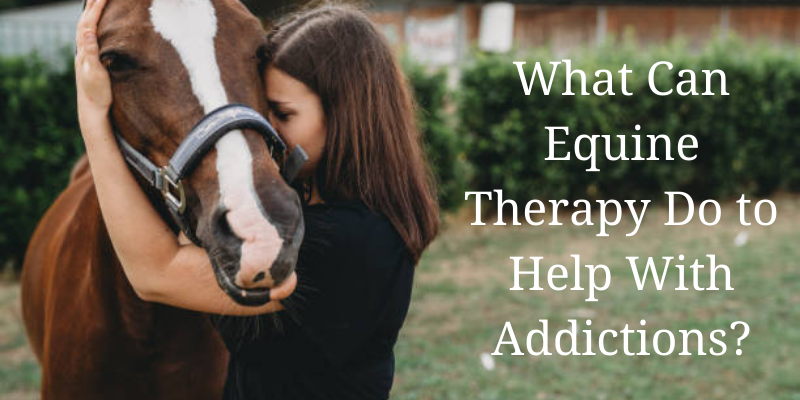
 Anxiety, chronic stress, and emotional pain can make everyday life difficult, especially for individuals dealing with addiction or working toward long-term sobriety. These challenges often affect relationships, decision-making, sleep, and the ability to manage difficult situations. While counselling and other evidence-based treatments remain essential, some people benefit from complementary approaches that help them develop emotional awareness and healthier coping skills. Equine therapy offers one such opportunity by using guided interactions with horses to support personal growth and mental wellness.
Horses respond to their surroundings through movement, body language, and behaviour. Spending time with them can encourage individuals to slow down, recognize their emotions, and become more aware of how they respond to stress. In a structured therapeutic setting, these experiences may help people practise patience, build confidence, and develop healthier ways to handle emotional discomfort. For individuals receiving addiction treatment, equine therapy can complement a broader recovery plan focused on both mental health and sobriety.
What Is Equine Therapy and How Does It Work?
Equine therapy involves structured activities with horses that support emotional, behavioural, and psychological development. Depending on the program, participants may groom horses, feed them, lead them through simple exercises, observe their behaviour, or take part in other guided activities. Riding is not necessarily part of the process.
Equine-assisted psychotherapy is one specific approach that incorporates horses into mental health treatment under the guidance of qualified professionals. Other equine-assisted activities may focus on communication, confidence, problem-solving, and personal development.
The purpose is not simply to spend time around animals. Instead, participants engage in activities that create opportunities to recognize emotional patterns, practise new behaviours, and reflect on their experiences with appropriate guidance.
Why Interacting With Horses Can Encourage Self-Awareness
Horses are sensitive to their environment and may respond to changes in a person’s movement, posture, and behaviour. This can give participants an opportunity to observe how their own emotional state influences their actions.
For example, someone who approaches a horse while feeling frustrated may find it difficult to complete a task that requires patience and steady communication. With support from a trained facilitator, the individual can reflect on the experience and identify what contributed to the frustration.
These observations can become useful starting points for conversations about emotional regulation, personal boundaries, and stress management.
How Equine Therapy May Help Reduce Anxiety
Anxiety can affect nearly every part of a person’s life. It may involve persistent worry, physical tension, racing thoughts, difficulty concentrating, or fear of situations that seem overwhelming. For people in addiction recovery, anxiety can also become a trigger for cravings or unhealthy coping behaviours.
Equine therapy may offer a structured environment where participants can practise remaining present and responding to situations more calmly.
Encouraging Mindfulness and Present-Moment Awareness
Anxiety often pulls attention toward future problems or imagined outcomes. People may spend hours worrying about situations they cannot control, making it difficult to focus on what is happening in the present.
Working with horses requires attention to the immediate environment. Participants may need to notice an animal’s movements, follow instructions, and adjust their approach based on what is happening.
For example, grooming a horse involves paying attention to the task, using appropriate movements, and remaining aware of the animal’s comfort. This can create an opportunity to practise mindfulness through a practical activity.
Although this experience does not replace treatment for an anxiety disorder, it may help individuals develop greater awareness of their thoughts and reactions.
Building Confidence in Unfamiliar Situations
Anxiety can make people doubt their abilities. Even ordinary responsibilities may feel intimidating when someone is worried about making mistakes or being judged.
Guided activities with horses can introduce manageable challenges. Participants may begin with simple tasks before gradually taking on activities that require more communication and confidence.
Completing these tasks can provide a sense of accomplishment. More importantly, individuals can learn that feeling uncertain does not always mean they are unable to move forward.
This lesson may be useful when facing other challenges, such as attending a support group, returning to work, or rebuilding relationships.
Managing Stress Through Equine-Assisted Activities
Stress is a natural response to demanding situations, but ongoing stress can affect physical health, emotional well-being, and decision-making. Financial concerns, family responsibilities, workplace pressure, and relationship difficulties can become especially difficult during addiction recovery.
Developing effective stress management skills is therefore an important part of maintaining sobriety.
Learning to Pause Before Reacting
When people feel overwhelmed, they may respond impulsively. This can lead to arguments, avoidance, or decisions that create additional problems.
Some equine activities require participants to slow down and approach tasks with patience. If an activity becomes frustrating, the facilitator can help the individual recognize the reaction and consider a different response.
The same principle applies to everyday situations. Instead of immediately reacting to a stressful conversation or unexpected problem, a person can practise taking a breath, identifying the emotion, and choosing a more constructive action.
Developing Patience and Emotional Regulation
Horses cannot be expected to respond exactly as a person wants. Participants may need to adjust their movements, repeat instructions, or approach a task differently.
These experiences can encourage flexibility and patience. They also provide opportunities to recognize frustration without allowing it to control behaviour.
In recovery, emotional regulation is particularly important because difficult feelings can sometimes contribute to substance use. Learning to tolerate discomfort and respond thoughtfully may help individuals manage challenging moments without returning to old coping patterns.
The Role of Equine Therapy in Addiction Recovery
Addiction is often connected to emotional, psychological, social, and environmental factors. Some people use substances to cope with trauma, anxiety, loneliness, grief, or ongoing stress. Others develop patterns of substance use that gradually affect their relationships, health, and responsibilities.
Stopping substance use is an important achievement, but lasting recovery also involves addressing the challenges that may contribute to continued use.
Equine therapy can complement professional addiction treatment by providing additional opportunities to practise important recovery skills.
Addressing Emotional Pain Without Avoidance
Emotional pain can be difficult to face. People may carry feelings of guilt, shame, grief, or disappointment long after they stop using substances.
In some cases, alcohol or drugs have become a way to avoid these feelings. Recovery requires developing healthier responses rather than relying on substances for temporary relief.
Structured equine activities may help participants recognize emotional reactions in a setting that encourages observation and reflection. A therapist or facilitator can help connect these experiences to personal challenges and coping strategies.
This process should always respect individual readiness. No one should be pressured to discuss painful memories or experiences before they feel prepared.
Rebuilding Trust and Healthy Relationships
Addiction can damage relationships with family members, friends, and colleagues. Rebuilding trust often takes time, especially when past behaviour has caused disappointment or conflict.
Interactions with horses can provide opportunities to practise consistency, clear communication, and respect for boundaries. Participants may learn that cooperation requires patience and attention rather than force or control.
These lessons can apply to relationships outside treatment. Healthy communication, accountability, and respect are essential when repairing connections and developing a reliable support network.
Strengthening Self-Esteem Through Personal Achievement
People affected by addiction may struggle with negative beliefs about themselves. They may feel defined by past mistakes or doubt their ability to make lasting changes.
Completing guided activities with horses can help participants recognize their strengths and abilities. Learning a new skill, following through on a responsibility, or managing a challenging situation can provide meaningful evidence of progress.
Over time, recognizing these achievements may support a healthier sense of self-worth. This can be especially valuable when individuals are working to rebuild their lives after addiction.
Supporting Mental Health Through a Whole-Person Treatment Plan
Equine therapy should be considered a complementary approach rather than a standalone treatment for addiction, anxiety, depression, or trauma. Mental health conditions require appropriate assessment and care, and treatment should be based on each person’s circumstances.
A whole-person recovery plan may combine several forms of support to address physical health, emotional well-being, relationships, and personal values.
Combining Equine Therapy With Inpatient Care
Inpatient or residential treatment may be appropriate for individuals who need a structured environment and more intensive support. Depending on the program, services may include medical supervision, individual counselling, group therapy, mental health treatment, and relapse prevention planning.
Where available and clinically appropriate, equine-assisted activities may complement these services. Participants can practise communication, patience, emotional awareness, and responsibility while working toward broader treatment goals.
People who may experience withdrawal complications should receive appropriate medical assessment and supervision. Equine therapy is not a substitute for medically supported detoxification or other necessary clinical care.
Using Equine Therapy Alongside Outpatient Treatment
Outpatient treatment allows individuals to receive professional support while continuing to manage responsibilities at home, work, or school. Services may include scheduled therapy, group counselling, and ongoing recovery planning.
For some participants, complementary equine activities can provide additional opportunities to practise coping skills. They can then discuss what they learned during counselling and consider how those experiences apply to everyday challenges.
Consistent follow-up is important. Recovery involves ongoing decisions, and individuals often need continued support as they encounter new stressors and responsibilities.
Respecting Individual Needs and Faith-Based Values
Every person’s recovery experience is different. Some individuals prefer traditional clinical approaches, while others appreciate additional activities that reflect their interests, beliefs, and personal values.
For those who find meaning in faith, spiritual support may be incorporated into treatment alongside professional mental health care. Equine activities may also encourage reflection on patience, responsibility, respect, and personal growth.
An individualized approach should always respect personal preferences. No single activity or belief system should be presented as the right choice for everyone.
Practical Ways to Apply Equine Therapy Lessons to Everyday Life
The benefits of therapeutic activities are most useful when participants can apply what they learn outside the treatment environment. The skills developed through guided interactions with horses can connect with everyday habits that support emotional wellness.
Consider these practical strategies:
- Recognize emotional triggers: Notice situations, thoughts, or interactions that increase anxiety, frustration, or cravings.
- Pause before responding: Take a moment to identify what you are feeling before making an important decision.
- Create a consistent routine: Regular sleep, meals, physical activity, and treatment appointments can support stability.
- Practise healthy boundaries: Communicate personal needs clearly while respecting other people’s limits.
- Acknowledge small achievements: Recognize progress, even when it involves completing a simple daily responsibility.
- Maintain professional support: Continue attending therapy, medical appointments, and recovery support meetings as recommended.
- Prepare for stressful situations: Develop a plan for managing cravings, conflict, and unexpected challenges before they occur.
These habits can reinforce the work completed during treatment and help individuals build a stronger foundation for long-term recovery.
Finding a Path Toward Greater Emotional Wellness
Anxiety, stress, and emotional pain can make recovery feel difficult, but people do not have to manage these challenges without support. Equine therapy offers a different setting for practising self-awareness, patience, confidence, and communication. When guided by appropriately trained professionals and integrated into a broader treatment plan, it may provide meaningful opportunities for emotional growth.
For individuals experiencing addiction or ongoing mental health difficulties, the most important step is finding care that addresses their needs. Inpatient treatment, outpatient counselling, evidence-based therapies, and complementary approaches can all have a place in an individualized recovery plan.
If anxiety or emotional distress is affecting your daily life, consider speaking with a qualified mental health or addiction treatment professional. You can discuss your concerns, explore available options, and determine whether equine-assisted activities may be appropriate for your situation.
Healing does not require having every answer at the beginning. It starts with recognizing that support is available and taking one practical step toward a healthier future.