
Horses have been used to help humans therapeutically for centuries. Equine-assisted therapeutic activities, including therapeutic riding, can improve the physical, emotional and social well-being of people with a variety of conditions. There is evidence that interacting with horses has a calming and positive psychological effect, regardless of the patient’s age—from young children to older adults.
Equine-assisted therapy can be beneficial for people with physical and psychological disabilities, conditions, and illnesses. It can provide relief from physical symptoms, improve communication skills, increase self-confidence and teach more adaptive coping strategies. The act of riding a horse, as well as interacting with horses, has powerful effects on mental and physical wellbeing.
Equine assisted therapy is becoming an increasingly popular form of therapy both in traditional and alternative medical approaches. It has been used to treat a wide range of conditions, including autism, cerebral palsy, post-traumatic stress disorder (PTSD), lower back pain, learning disabilities, and depression.
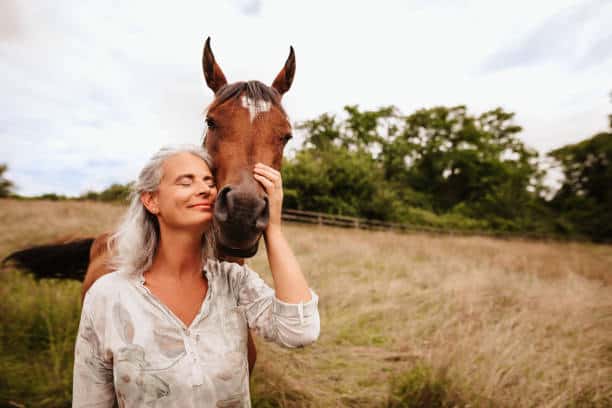
When it comes to physical health, horses can offer an opportunity to improve stability, coordination and strength. Horseback riding helps build and tone muscles, improve range of motion, and can even be used as therapeutic exercise. In more severe cases, riding has been used to help resolve crippling physical impairments, such as stiffening of joints or spasticity, muscle tone, and poor balance or coordination.
But why do people find horses so appealing? Here are just a few reasons:
• Horses are non-judgmental – Some therapies, such as talk therapy, require the patient to speak about sensitive subjects and open up to someone they perceive to be a stranger. Horses, however, are non-judgmental and understanding, making the sessions easier to feel comfortable in.
• Horses provide unconditional acceptance – Horses don’t judge you for your appearance, abilities, or perceived shortcomings. This can make an individual feel respected and accepted, which can have a lasting positive effect on mental health and sense of self-worth.
• Horses naturally reduce stress – Horses naturally have a calming effect on people. Being close to a horse can reduce heart rate, breathing rate, and blood pressure. This often can lead to improved physical and mental health.
• Horses teach patience – The saying “you have to take your time with horses” is very true. Working with horses can teach patience and give people tools to deal with difficult things in life.
• Horses mirror human behavior – Horses often attempt to mirror human behavior. They can help an individual recognize his/her personal qualities, as well as where he/she may need to make improvements.
• Horses can provide companionship – Horses provide a sense of companionship, something humans are often missing in life. When equine assisted therapy is used, the patient and horse form a bond that can last even after the therapy sessions are over.
In conclusion, the healing effects of horses are well documented. Equine-assisted therapy can be beneficial for individuals with physical and psychological illnesses, disabilities or conditions. Horses can provide unconditional acceptance, reduce stress, teach patience, mirror human behavior and can even provide companionship. For those looking for alternative methods of healing both physical and emotional ailments, consider equine therapy.