
For thousands of years, humans have interacted with horses, reaping myriad
benefits from the animals. From aiding in transportation and agriculture to
entertainment and social opportunities, activities involving horses benefit humans in more
ways than one. Horse riding in particular has the capability to not only improve
physical health, but also mental health. In other words, spending time with horses can
help improve overall wellbeing.
Horse riding, also known as equestrianism, is a rewarding and therapeutic form of
exercise that has been proven to bring about considerable improvements in mental
health. The impact of horse therapy on individuals dealing with mental health issues
can be profound, as it’s an opportunity for people to connect with nature in a way
they may otherwise be unable to. This connection can lead to relaxed and enjoyable
experiences, bringing much needed tranquility and positivity to those that need it most.
The therapeutic qualities of horse therapy have been recognized internationally and
it is increasingly becoming a vital coping tool for those struggling with mental
health issues. Through riding, participants have the chance to strengthen their
cognitive skills and physical skills while focusing their mind on being in the
moment rather than ruminating on the past. Riding can help increase confidence
confidence and provide a sense of calm.
In addition to being beneficial to individuals, horse therapy has been known to help
those in groups. There is much that can be taken from these collective sessions and
they are an effective way of teaching communication and trust, both of which can
improve mental health.
The mental benefits of horse riding are two-fold. It can help overcome issues with
self-esteem, anxiety and depression, as having personal connection with an animal is
empowering. Riding Horses releases endorphins which is a chemical produced by the
brain that is responsible for regulating mood. This can help in managing stress,
reducing anger and improving the overall wellbeing of an individual.
Moreover, riding is an excellent way to build concentration, focus, and organization
skills; important qualities that are required for successful mental health. People who
ride with a purpose often make more progress over time as they are focused on
achieving a specific goal. Structured horseback riding provides motivation for
individuals to stay on track and make progress.
Physical activity is another key element of horse riding and a crucial element for
sustaining both physical and mental health. Horses provide a unique form of
exercise with activities such as trail riding, cross country, polo, and show jumping.
All of which are excellent activities that can help improve physical fitness while
also fostering mental health.
Finally, horse riding brings with it fresh air, sunshine, and the chance to connect
with other horse-riding enthusiasts. All of these elements can help boost
self-esteem and improve mental health. Horse riding is a recreational activity that can
offer new and varied experiences, while also helping those struggling with mental
health issues.
In conclusion, horse riding has a variety of benefits that can help improve physical
and mental health. From helping to manage stress to providing an opportunity to
connect with horses and other enthusiasts, the therapeutic and recreational aspects of
horse riding are undeniable and should not be taken for granted.
 UNDERSTANDING EQUINE THERAPY
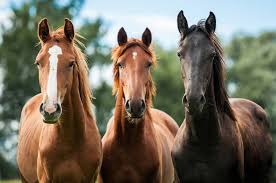 Only a number of people can relate to the lessons which are inherent in relationships built with horses. These set of people have often attested to the fact that at first, the intent of riding these horses was basically to have fun, just like a form of recreation during their free time. Later on, they discovered that there was more to riding horses merely for fun, there was something more overwhelming which connected both together. According to studies, it is conventionally stated that horses and humans have some shared features. For instance, horses are social beings just as man, and our family systems operate on similar basis.
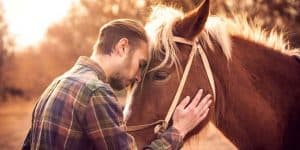 MAN AND ANIMALS: A NATURAL RELATIONSHIP
 HEALTH: A QUINTESSENTIAL HUMAN FACTOR
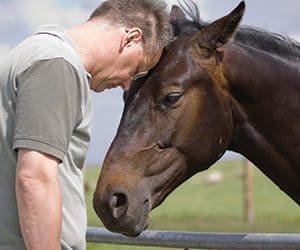 THE RELATIONSHIP BETWEEN HORSES AND MAN