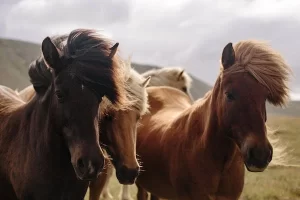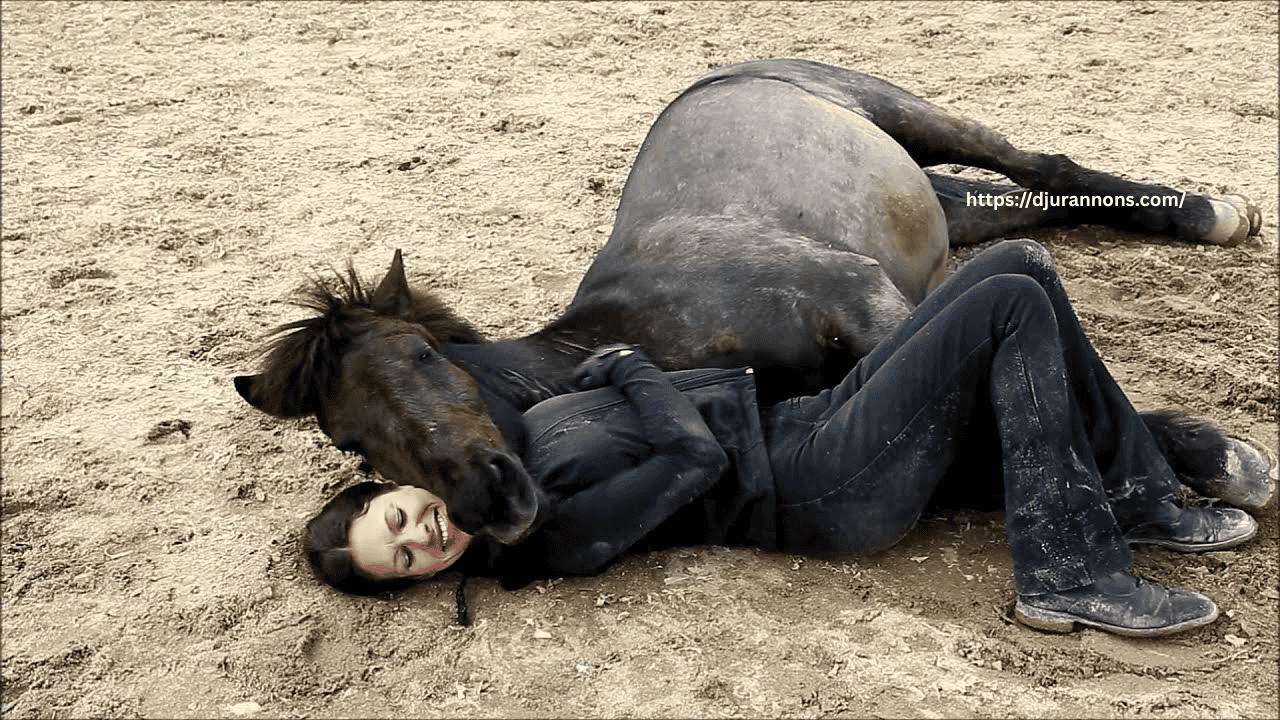
Sacred Bonds: The Profound Connection Between Humans and Horses


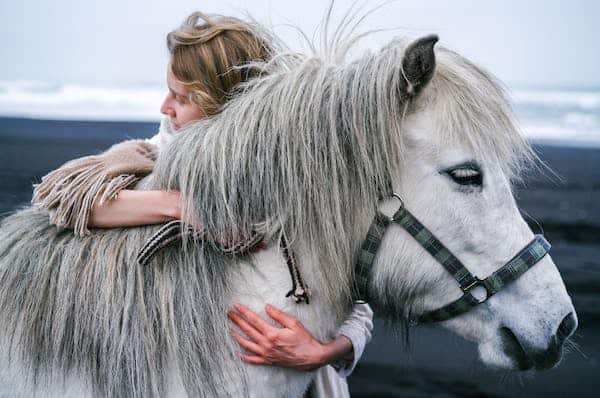
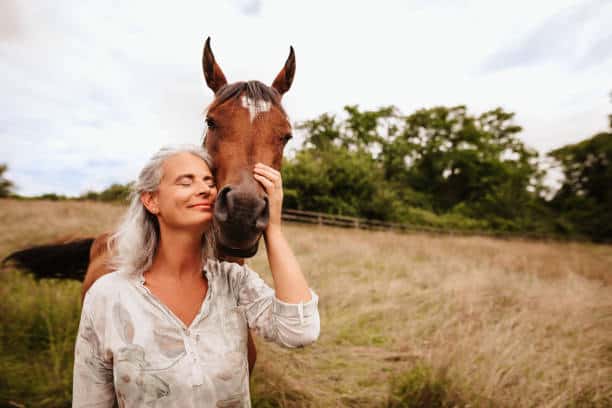
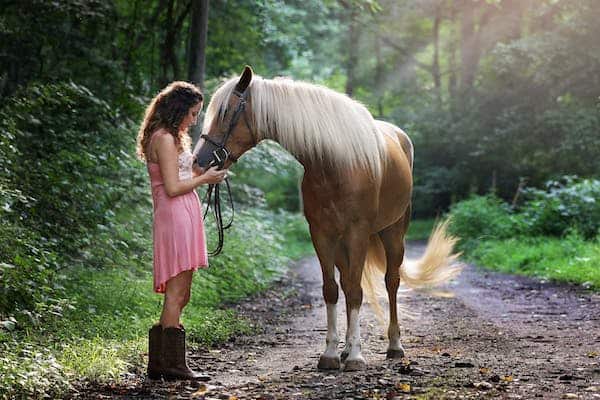
Throughout history, the relationship between humans and horses has been one of mutual respect, trust, and companionship. From ancient battlefields to peaceful pastures, horses have stood by our side as loyal partners. Yet beyond their physical strength and utility, horses possess an almost mystical ability to connect with the human spirit. This profound bond transcends words, offering a form of emotional and spiritual communion that has helped shape cultures, heal hearts, and transform lives.

A Relationship Rooted in Trust

The human-horse connection is unique because it requires mutual trust and understanding. Horses are prey animals, finely attuned to their environment and the intentions of those around them. For a horse to allow a human into its space and respond positively, it must sense safety and sincerity. In turn, humans must learn to be present, patient, and mindful—qualities that deepen emotional intelligence and empathy. Through this reciprocal relationship, both horse and human learn the value of trust without conditions.

Nonverbal Communication and Emotional Resonance

Horses communicate primarily through body language and energy, which fosters a different kind of interaction than most human relationships. They respond to the subtlest cues—changes in posture, breathing, and tone of voice. This heightens the human awareness of nonverbal communication, often revealing inner emotional states that words cannot express. In essence, horses help people hear their own unspoken feelings and teach them how to communicate authentically and with intention.

Healing Through Connection

The emotional and spiritual connection with horses has profound therapeutic benefits. Whether through equine-assisted therapy or simple companionship, the presence of a horse can be incredibly healing. For individuals dealing with grief, trauma, or emotional disconnection, the unconditional acceptance of a horse offers a safe space to process pain. The rhythm of a horse’s gait, the sound of their breath, and their steady heartbeat all contribute to a calming effect that soothes the nervous system and encourages emotional regulation.

Spiritual Companions in Growth

Many people describe their experiences with horses as spiritual. There is something sacred about standing beside a creature so powerful yet gentle, so grounded yet aware. Horses invite humans to slow down, be fully present, and engage with the world from a place of authenticity. In this way, they become guides on the path to personal growth. By working with horses, individuals often gain insights into their behaviors, fears, and hopes, leading to transformation that goes beyond the physical.

The Legacy of a Timeless Bond

From mythology and literature to modern therapy practices, the image of the horse continues to symbolize freedom, strength, and connection. Cultures around the world revere horses not just as animals, but as sacred beings that bridge the natural and spiritual realms. The enduring bond between humans and horses is a testament to the deep resonance we share. It reminds us that healing, understanding, and love often begin with a quiet presence and an open heart.

Conclusion

The connection between humans and horses is more than companionship—it is a sacred bond rooted in trust, respect, and mutual growth. In their presence, we find reflections of our own truth, and through their silent wisdom, we are often led toward healing, wholeness, and a deeper understanding of ourselves and the world around us.
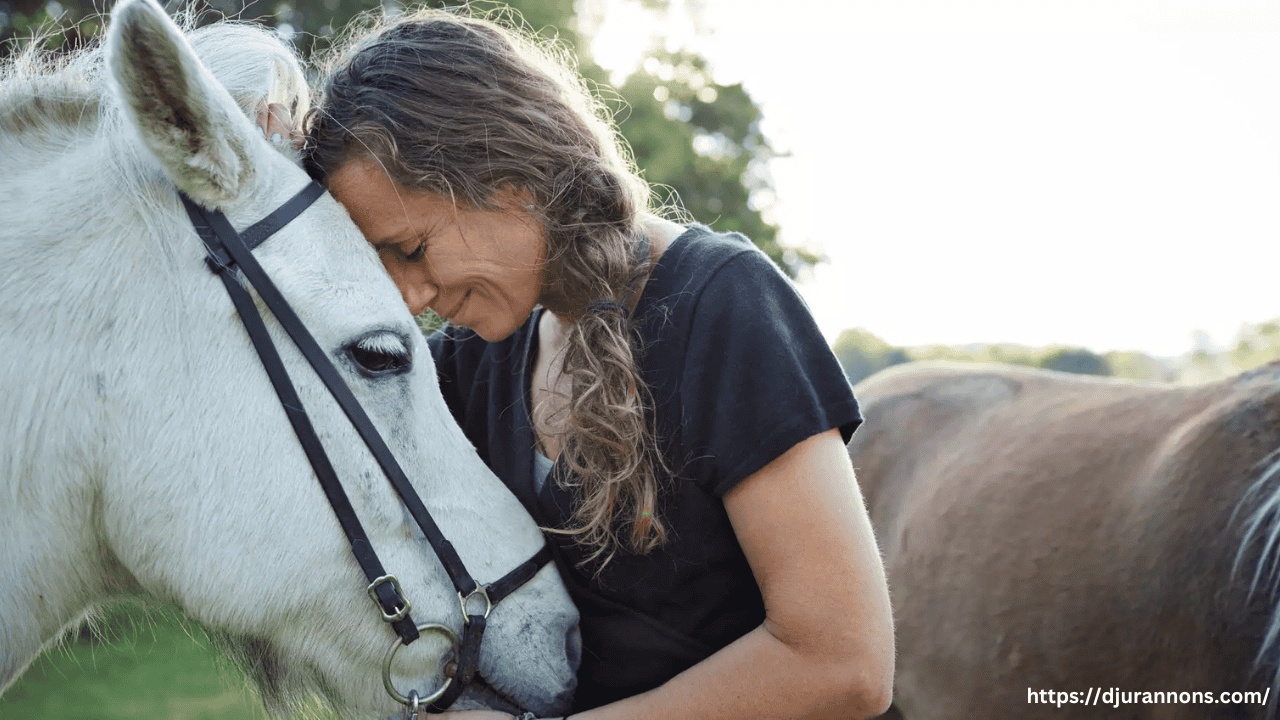
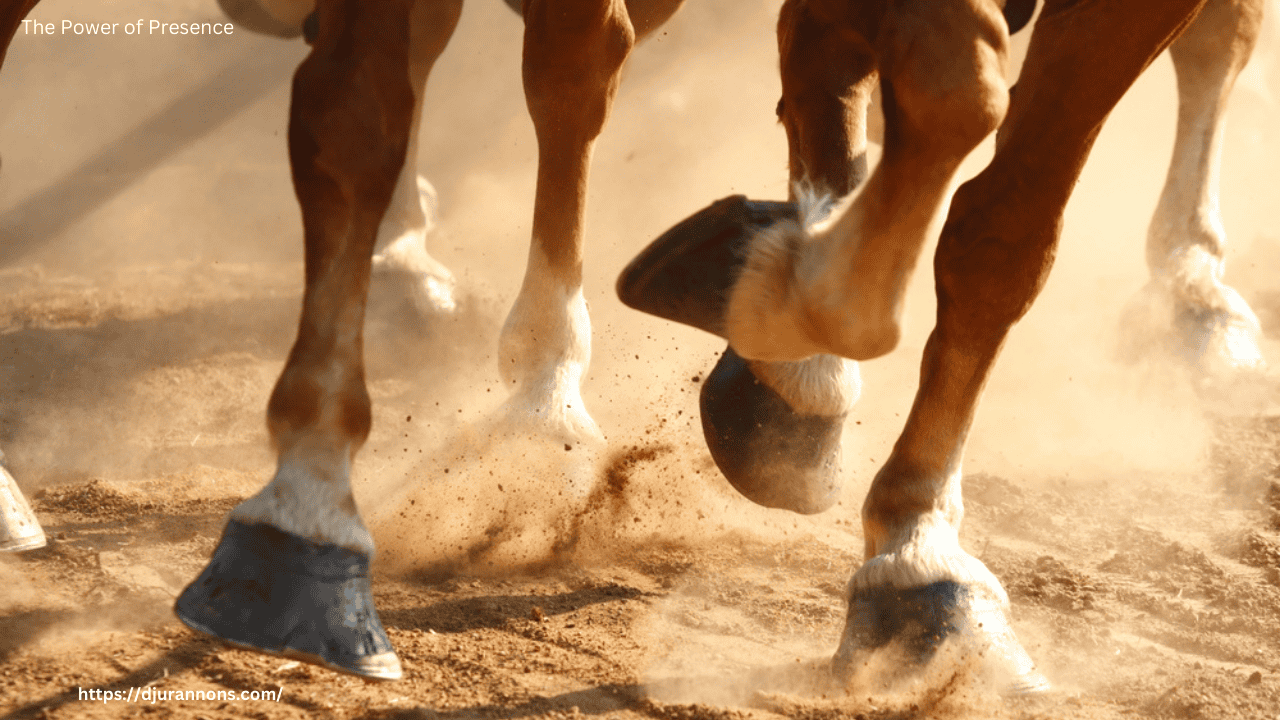
 

The Silent Therapists: Understanding Equine-Assisted Therapy

In a world where emotional and psychological struggles are increasingly prevalent, alternative therapeutic approaches have gained recognition for their effectiveness. One such powerful method is equine-assisted therapy (EAT), where horses serve as silent therapists, helping individuals navigate trauma, anxiety, depression, and other emotional challenges. Unlike traditional therapy, EAT relies on the deep, intuitive connection between humans and horses to facilitate healing and personal growth.

The Unique Role of Horses in Therapy

Horses possess an extraordinary ability to sense and respond to human emotions. As highly intuitive animals, they pick up on subtle changes in body language, energy, and emotions, often mirroring the feelings of those around them. This makes them powerful therapeutic partners, providing instant, nonjudgmental feedback that helps individuals become more self-aware. Their ability to reflect human emotions encourages people to process their feelings in an honest and meaningful way.

How Equine-Assisted Therapy Works

Equine-assisted therapy is guided by trained mental health professionals and equine specialists who facilitate interactions between clients and horses. Unlike traditional horseback riding lessons, EAT often involves groundwork activities such as grooming, leading, and observing horses. These exercises help individuals build trust, develop emotional regulation skills, and improve communication. In some cases, therapeutic riding may also be incorporated to enhance physical and emotional healing.

Benefits of Equine-Assisted Therapy

  1. Emotional Awareness and Regulation
    • Horses help individuals recognize and regulate their emotions by responding to their energy and body language. This fosters self-awareness and encourages a calm, mindful state.
  2. Building Trust and Confidence
    • Establishing a relationship with a horse requires patience and mutual trust. For those who have experienced trauma or difficulty trusting others, this process can be incredibly healing.
  3. Stress and Anxiety Reduction
    • Being around horses has been shown to lower stress hormones and increase the release of oxytocin, the hormone associated with bonding and relaxation.
  4. Enhanced Social and Communication Skills
    • Nonverbal communication is a key component of working with horses. This can benefit individuals who struggle with social interactions, teaching them the importance of clear communication and boundary-setting.
  5. Healing for Trauma Survivors
    • Many individuals suffering from post-traumatic stress disorder (PTSD) find solace in equine therapy. The calming presence of horses and structured activities provide a sense of stability and empowerment.

Science Behind Equine Therapy

Research supports the effectiveness of equine-assisted therapy in improving mental health. Studies have shown that interactions with horses can lower cortisol levels, reduce symptoms of anxiety and depression, and increase overall emotional well-being. The rhythmic movement of horseback riding can also have a meditative effect, helping individuals focus on the present and release emotional tension.

Conclusion

Horses, as silent therapists, offer a unique and powerful form of healing that words alone cannot achieve. Through their gentle presence, intuitive nature, and ability to foster trust, they help individuals embark on a journey of self-discovery and emotional resilience. In a world filled with noise, the quiet wisdom of horses speaks volumes, guiding people toward healing and hope.


Hooves of Hope: How Horses Facilitate Emotional Healing

For centuries, horses have been more than just companions or working animals; they have been silent healers, offering emotional solace to those in need. Equine-assisted therapy has gained recognition as an effective way to help individuals struggling with trauma, anxiety, depression, and other emotional challenges. The profound bond between humans and horses creates an environment of trust, empathy, and healing that fosters personal growth and recovery.

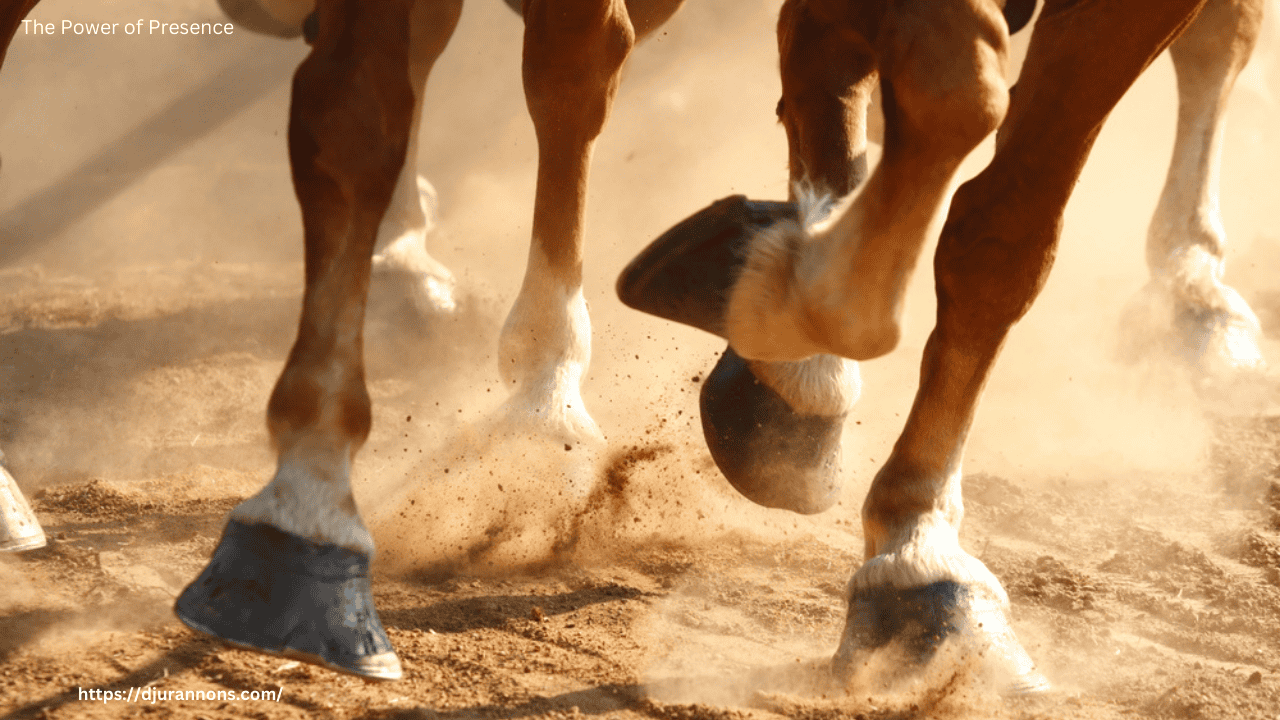
The Power of Presence

One of the most remarkable aspects of equine therapy is the horse’s innate ability to sense human emotions. Horses are highly intuitive animals that mirror the feelings of those around them. They respond to subtle body language and energy, allowing individuals to see their emotions reflected in a nonjudgmental way. This deep connection helps people become more aware of their own emotional states and encourages them to regulate their thoughts and feelings.

Building Trust and Confidence

Horses, as prey animals, are naturally attuned to their surroundings and require trust before forming relationships. Working with horses teaches individuals how to establish boundaries, communicate effectively, and build mutual trust. For someone who has experienced emotional wounds, developing a relationship with a horse can be profoundly healing. The process fosters self-confidence, self-worth, and a sense of accomplishment, which can be transformative in overcoming emotional struggles.

A Safe Space for Expression

Traditional talk therapy can sometimes feel overwhelming, especially for those who have difficulty articulating their emotions. Equine-assisted therapy offers a unique, non-verbal way to process feelings. Simply being around horses, grooming them, or leading them through exercises can create a calming effect, reducing stress and providing a sense of comfort. The rhythmic movement of a horse can also have a meditative quality, helping individuals relax and focus on the present moment.

Healing Trauma and Anxiety

Many individuals dealing with post-traumatic stress disorder (PTSD) or severe anxiety find relief through equine therapy. The structured nature of working with horses—whether through groundwork or riding—provides a sense of stability and routine. The physical connection with the horse, such as feeling its warmth and steady breathing, can be grounding for those who struggle with dissociation or anxiety. Additionally, overcoming challenges in equine-assisted therapy can empower individuals, showing them they are capable of progress and healing.

The Science Behind Equine Therapy

Studies have shown that interacting with horses can lower cortisol levels, reduce heart rate, and increase the production of oxytocin, the hormone associated with bonding and trust. These physiological changes contribute to a sense of calm and emotional balance. Additionally, the responsibility of caring for a horse fosters a sense of purpose, which can be particularly beneficial for individuals dealing with depression or feelings of isolation.

Conclusion

Horses have an extraordinary ability to heal, offering companionship, understanding, and emotional growth to those who seek solace in their presence. Whether through structured equine therapy or simply spending time with these majestic animals, the healing power of horses is undeniable. They remind us to be present, to trust, and to embrace the journey of healing—one hoofbeat at a time.


The Healing Presence of Horses: How Equine Therapy Transforms Lives

For centuries, horses have been revered not only for their strength and beauty but also for their unique ability to connect with humans on a deep emotional level. Today, equine therapy is emerging as a powerful healing modality, helping individuals overcome trauma, anxiety, depression, and even addiction. The healing presence of horses provides a transformative experience, fostering personal growth, emotional resilience, and inner peace.

Understanding Equine Therapy

Equine therapy, also known as equine-assisted therapy (EAT) or equine-assisted psychotherapy (EAP), is a form of therapeutic intervention that incorporates horses into the healing process. Unlike traditional talk therapy, equine therapy engages individuals in hands-on activities such as grooming, feeding, and leading horses, allowing them to develop trust, patience, and self-awareness. Trained therapists and equine specialists guide the sessions, helping individuals process emotions and develop coping strategies.

The Unique Healing Power of Horses

What makes horses such effective therapeutic partners? Unlike humans, horses communicate primarily through body language and energy, making them highly intuitive and responsive to human emotions. They mirror the feelings of those around them, providing immediate and nonjudgmental feedback. This sensitivity allows individuals to recognize and regulate their emotions, fostering a sense of self-awareness and emotional stability.

Horses also encourage mindfulness. Their presence demands individuals to be fully engaged in the moment, which can be particularly beneficial for those struggling with anxiety or past trauma. The rhythmic movement of a horse, whether through riding or simply walking beside one, has a calming effect on the nervous system, helping individuals feel grounded and present.

Transforming Lives Through Connection

Equine therapy has been widely used to help people dealing with a range of mental health challenges, including post-traumatic stress disorder (PTSD), substance abuse, and social anxiety. Veterans suffering from PTSD, for example, often find solace in equine therapy, as horses provide a non-threatening environment for them to rebuild trust and regain a sense of control. Similarly, individuals in addiction recovery benefit from the responsibility and structure that caring for a horse entails, reinforcing discipline, patience, and accountability.

Children and adolescents facing emotional or behavioral difficulties also thrive in equine therapy programs. The bond formed with a horse can instill confidence, improve communication skills, and encourage a sense of responsibility. For individuals who struggle to express themselves verbally, horses serve as silent yet deeply empathetic companions, creating a safe space for healing and self-discovery.

A Path to Emotional Wellness

The healing presence of horses goes beyond therapy—it is a profound reminder of the power of connection, trust, and unconditional acceptance. Whether through structured equine-assisted therapy or simply spending time with these gentle animals, individuals can experience emotional breakthroughs that might otherwise take years in traditional therapeutic settings.

As more people recognize the profound impact of equine therapy, its accessibility and integration into mental health treatment continue to grow. With their innate ability to heal and comfort, horses remain steadfast companions on the journey to emotional wellness, proving that sometimes, the most profound healing comes from the silent understanding of a four-legged friend.

A Look at Their Uniqueness

The horse has been a beloved companion of humans for thousands of years and has left an indelible mark on the world. From transportation to work, to war and even as a prized family pet, these majestic creatures have never failed to excite and captivate people. With their grace, intelligence, and beauty, horses have been a source of fascination, inspiration, and wonder since the dawn of time. In this article, we will take a closer look at the wonders of horses and what makes them so unique.

To begin, it is important to note that horses have a special connection with humans. Horses are social animals, forming strong, lasting bonds with their owners. They also possess an amazing knack for understanding the human language and emotions. Horses are very curious creatures and can pick up on the subtle body language cues that humans give them. It is these attributes that make them so closely intertwined with humans and why they are so incredibly beloved.

Furthermore, horses are incredibly smart animals. They are able to remember and recognize patterns, understand commands, and even respond to instruction. Their minds are able to rapidly recall and form connections between information, allowing them to understand complex contexts. In addition, horses have a remarkable long-term memory, and they can recall behaviors that you have taught them years ago with ease.

Horses are also incredibly strong and adaptable creatures. They can travel long distances and easily navigate terrain, watching for obstacles and adapting accordingly. This stamina and endurance allows them to take on any job, from racing and endurance riding, to draft work and plowing fields. This capability also makes horses an invaluable asset to the military, as they have been used for centuries to carry soldiers and equipment into combat zones.

Finally, horses are known for their beauty and grace. Their signature thick manes, perfectly proportioned bodies, and nimble gaits are all marvels of nature. No two horses look exactly alike and they come in a variety of colors, sizes, and breeds. It is this unique physical and personality trait that make them so special and beloved by so many.

As you can see, horses are truly remarkable creatures. They are strong, intelligent, and faithful companions that have been a loyal friend to humans for centuries. Whether it is transportation, a type of work, or even just a source of unconditional companionship, horses will always remain an important part of our lives. There is truly something special about these beautiful creatures, and it is important to cherish them and appreciate the wonders of horses.

Exploring the Physical Nature of Equine Therapy

Equine therapy is a growing field of treatment that is becoming increasingly popular with those who are looking for a combination of physical and mental treatment. As the name suggests, equine therapy uses horses as part of the therapeutic process. By interacting with horses and engaging in activities such as riding and grooming them, individuals can reap the many physical, mental, and emotional benefits of equine therapy.

At its core, equine therapy seeks to facilitate the individual’s learning and growth by providing an opportunity to explore physical interaction with a horse. While horseback riding can be part of equine therapy, a larger focus of the process lies in learning about the horse, its responses, and how it can act as a therapeutic aid for the individual. Activities with horses that can be done in equine therapy might include brushing, grooming, and leading the horse, as well as simple activities such as stacking hay. Whatever the activity, the goal is to provide a safe and enjoyable environment where individuals can learn and grow.

One key aspect of equine therapy is the physical presence of the horse. While some may not think of a horse as a powerful therapeutic aid, its size and strength provide a unique form of physical contact that can stimulate physical sensations such as balance and relaxation. Additionally, the contact between the individual and the horse has been found to have calming and grounding effects. Along with providing body contact, the horse can also provide support while engaging in physical activities such as leading the horse, or riding.

The physical nature of equine therapy also provides potential mental benefits. Working with horses can improve an individual’s self-confidence and self-awareness, as well as give them the opportunity to challenge themselves in an enjoyable and constructive manner. Additionally, the physical nature of the therapy encourages problem-solving as individuals need to use communication, movement, and strategy to achieve their goals while engaging in activities with horses.

Equine therapy can also provide emotional and psychological benefits. The physical contact with a horse can be calming and grounding in itself, and interacting with animals in general has been found to be beneficial for those suffering from stress and anxiety. Additionally, the process of learning and working with horses can provide a sense of purpose and achievement, while allowing an individual to practice on interpersonal skills such as communication, trust, and patience.

As a whole, equine therapy offers a unique combination of physical, mental, and emotional benefits. Its physical presence has the potential to offer a powerful therapeutic aid that can bring learning and growth for those who engage with it. With its physical nature, equine therapy provides individuals with the opportunity to explore the many benefits it has to offer, making it a promising option for those who are looking to improve their mental health.

The Healing Effects of Horses

Horses have been used to help humans therapeutically for centuries. Equine-assisted therapeutic activities, including therapeutic riding, can improve the physical, emotional and social well-being of people with a variety of conditions. There is evidence that interacting with horses has a calming and positive psychological effect, regardless of the patient’s age—from young children to older adults.

Equine-assisted therapy can be beneficial for people with physical and psychological disabilities, conditions, and illnesses. It can provide relief from physical symptoms, improve communication skills, increase self-confidence and teach more adaptive coping strategies. The act of riding a horse, as well as interacting with horses, has powerful effects on mental and physical wellbeing.

Equine assisted therapy is becoming an increasingly popular form of therapy both in traditional and alternative medical approaches. It has been used to treat a wide range of conditions, including autism, cerebral palsy, post-traumatic stress disorder (PTSD), lower back pain, learning disabilities, and depression.

When it comes to physical health, horses can offer an opportunity to improve stability, coordination and strength. Horseback riding helps build and tone muscles, improve range of motion, and can even be used as therapeutic exercise. In more severe cases, riding has been used to help resolve crippling physical impairments, such as stiffening of joints or spasticity, muscle tone, and poor balance or coordination.

But why do people find horses so appealing? Here are just a few reasons:

• Horses are non-judgmental – Some therapies, such as talk therapy, require the patient to speak about sensitive subjects and open up to someone they perceive to be a stranger. Horses, however, are non-judgmental and understanding, making the sessions easier to feel comfortable in.

• Horses provide unconditional acceptance – Horses don’t judge you for your appearance, abilities, or perceived shortcomings. This can make an individual feel respected and accepted, which can have a lasting positive effect on mental health and sense of self-worth.

• Horses naturally reduce stress – Horses naturally have a calming effect on people. Being close to a horse can reduce heart rate, breathing rate, and blood pressure. This often can lead to improved physical and mental health.

• Horses teach patience – The saying “you have to take your time with horses” is very true. Working with horses can teach patience and give people tools to deal with difficult things in life.

• Horses mirror human behavior – Horses often attempt to mirror human behavior. They can help an individual recognize his/her personal qualities, as well as where he/she may need to make improvements.

• Horses can provide companionship – Horses provide a sense of companionship, something humans are often missing in life. When equine assisted therapy is used, the patient and horse form a bond that can last even after the therapy sessions are over.

In conclusion, the healing effects of horses are well documented. Equine-assisted therapy can be beneficial for individuals with physical and psychological illnesses, disabilities or conditions. Horses can provide unconditional acceptance, reduce stress, teach patience, mirror human behavior and can even provide companionship. For those looking for alternative methods of healing both physical and emotional ailments, consider equine therapy.

The Mental Health Benefits of Horse Therapy

In today’s world, mental health is becoming increasingly important. In all of the hustle and bustle of daily life, it can be hard to make time to take care of ourselves. But looking after our mental wellbeing is key to leading a healthy, balanced life. While therapy or medical interventions can be incredibly beneficial for some, other options for looking after mental health can sometimes be less traditionally recognized. One of these is horse therapy, or equine-assisted therapy.

Horse therapy is a form of therapy that uses the power of horses to help address mental health issues, like anxiety, depression, and post traumatic stress disorder. Horses can be used to help individuals develop a stronger sense of self-confidence, as well as achieve emotional progress, increase communication and problem-solving skills, build interpersonal relationships, and increase motivation.

The therapeutic power of horse therapy is rooted in the horse’s unique ability to form strong bonds with humans, as they are naturally social creatures and respond to human interaction. Equine-assisted therapy can be incredibly beneficial for those looking for an alternative therapy to traditional talk therapy or medication. Horses do not judge, and even if an individual had a negative experience with them in the past, the therapist can help to create a safe space for individuals to work through those feelings.

Horse therapy can be incredibly restorative for those suffering from mental health issues. Horses are intuitive animals, and they can often pick up on a person’s moods and emotions when spending time with them. Thisnon-verbal connection can encourage individuals to trust themselves, understand and communicate their emotions more effectively, and learn to recognize their patterns of thoughts. In addition to this, interacting with horses may be calming to an individual and can provide an outlet for creative expression.

One of the unique aspects of horse therapy is that it not only provides physical and mental benefits, but also allows individuals to practice life skills as well. While working with a horse, patients must learn to take responsibility for the animal’s well-being while also allowing it to take the lead in certain situations. Displaying empathy, communication, and problem-solving becomes essential to having a successful experience with the horse.

Overall, there are numerous possible mental health benefits to horse therapy that should not be overlooked. While this form of therapy is not the right fit for everyone, it may be beneficial for those who are looking for a creative or holistic approach to mental health treatment. Consider adding horse therapy to your mental health regimen or encouraging someone you know to look into the potential benefits. With the right attitude, horse therapy can be an incredibly rewarding experience.

Healing Presence of Horses

Horses possess an incredible ability to heal people emotionally, mentally, spiritually, and physically. The profound healing presence of horses has been used to assist people in developing strong relationships with the equine species while achieving greater overall well-being. Equine-assisted therapy has become increasingly popular as an alternative form of rehabilitation and healing.

Equine-assisted therapy uses equine partners to provide physical, emotional, and psychological support, with the goal of improving the patient’s overall quality of life. The environment in which these activities take place is incredibly supportive and inviting, providing a much needed outlet for clients to cope with a variety of issues. This often involves activities such as grooming, horse riding, and ground work.

The blessings that horses bring to people are deeply rooted in their beauty, grace, strength, understanding, and power. They possess the capacity to offer profound comfort, connection, and freedom. This healing presence is believed to not only improve mental health and physical wellbeing, but to connect with the spirit and soul.

Horses help to create a safe space, allowing people to heal without fear of judgment or censure. They are living symbols of freedom, creativity, and potential, and this can help to ensure a more emotionally healthy life. Equine-assisted therapy is an incredibly powerful tool when used correctly, in that it brings out the best in those who work with horses.

This type of therapy works to build trust and offers the opportunity to break through masks of fear and disconnect. Through activities that involve caring for the horse, clients learn to trust and feel more confident and secure in the presence of an animal that understands and automatically accepts them. In addition, the more clients work with horses, the more conscious they become of their body language, allowing them to gain more control over their emotional state.

The presence of a horse can also serve as a powerful form of healing. By witnessing their energy, movement, and their unconditional love for humans, clients can gain a deep sense of relaxation and groundedness that can bring new perspective and peace. When appropriately guided, the process of learning how to communicate with these sensitive creatures can be incredibly therapeutic.

Lastly, horses possess an incredible ability to mirror and reflect emotions, providing an opportunity to gain insight into feelings and interpersonal dynamics. This process can be incredibly valuable in helping individuals to come to terms with hidden emotions they may have been struggling to express.

The healing presence of horses is an extremely impactful and powerful tool. Not only do they provide a space for emotional and mental healing, but they also offer a greater connection and understanding towards the universe, aiding people to find inner balance and harmony. By cultivating a partnership with these beautiful creatures, people can explore the edges of their emotions, and eventually, find peace in their hearts.