
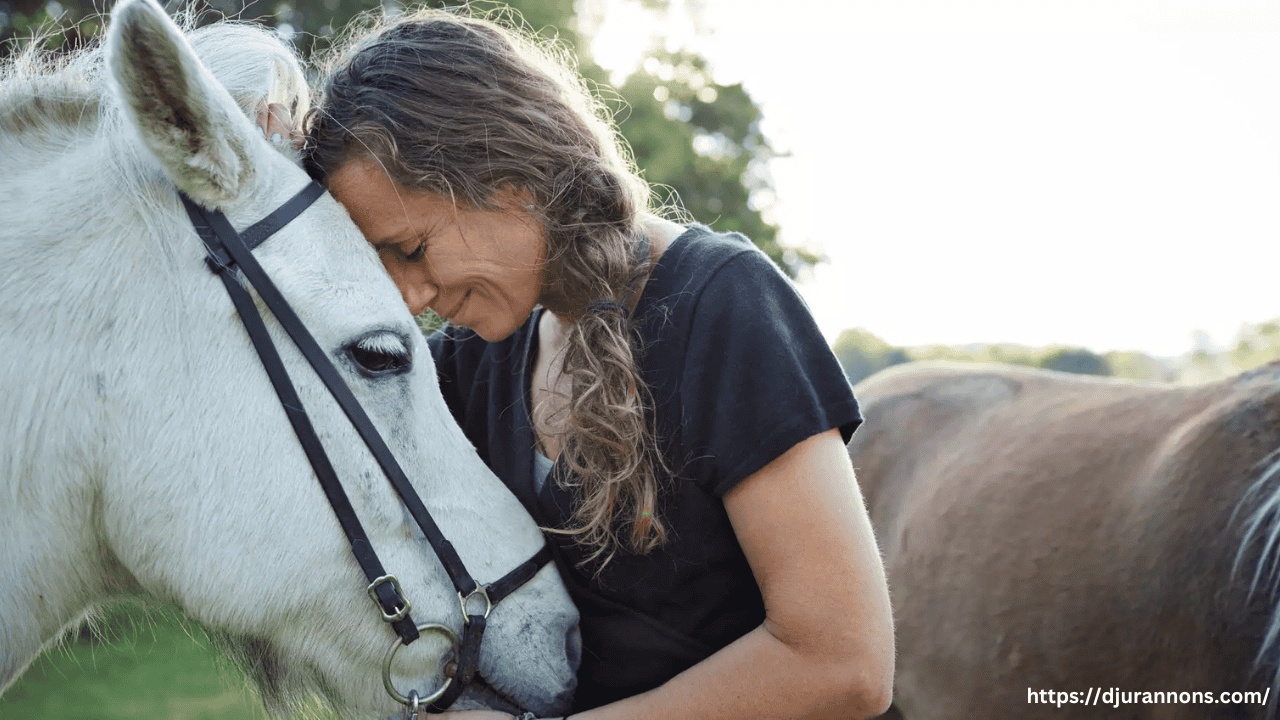
In a world where emotional and psychological struggles are increasingly prevalent, alternative therapeutic approaches have gained recognition for their effectiveness. One such powerful method is equine-assisted therapy (EAT), where horses serve as silent therapists, helping individuals navigate trauma, anxiety, depression, and other emotional challenges. Unlike traditional therapy, EAT relies on the deep, intuitive connection between humans and horses to facilitate healing and personal growth.
The Unique Role of Horses in Therapy
Horses possess an extraordinary ability to sense and respond to human emotions. As highly intuitive animals, they pick up on subtle changes in body language, energy, and emotions, often mirroring the feelings of those around them. This makes them powerful therapeutic partners, providing instant, nonjudgmental feedback that helps individuals become more self-aware. Their ability to reflect human emotions encourages people to process their feelings in an honest and meaningful way.
How Equine-Assisted Therapy Works
Equine-assisted therapy is guided by trained mental health professionals and equine specialists who facilitate interactions between clients and horses. Unlike traditional horseback riding lessons, EAT often involves groundwork activities such as grooming, leading, and observing horses. These exercises help individuals build trust, develop emotional regulation skills, and improve communication. In some cases, therapeutic riding may also be incorporated to enhance physical and emotional healing.
Benefits of Equine-Assisted Therapy
- Emotional Awareness and Regulation
- Horses help individuals recognize and regulate their emotions by responding to their energy and body language. This fosters self-awareness and encourages a calm, mindful state.
- Building Trust and Confidence
- Establishing a relationship with a horse requires patience and mutual trust. For those who have experienced trauma or difficulty trusting others, this process can be incredibly healing.
- Stress and Anxiety Reduction
- Being around horses has been shown to lower stress hormones and increase the release of oxytocin, the hormone associated with bonding and relaxation.
- Enhanced Social and Communication Skills
- Nonverbal communication is a key component of working with horses. This can benefit individuals who struggle with social interactions, teaching them the importance of clear communication and boundary-setting.
- Healing for Trauma Survivors
- Many individuals suffering from post-traumatic stress disorder (PTSD) find solace in equine therapy. The calming presence of horses and structured activities provide a sense of stability and empowerment.
Science Behind Equine Therapy
Research supports the effectiveness of equine-assisted therapy in improving mental health. Studies have shown that interactions with horses can lower cortisol levels, reduce symptoms of anxiety and depression, and increase overall emotional well-being. The rhythmic movement of horseback riding can also have a meditative effect, helping individuals focus on the present and release emotional tension.
Conclusion
Horses, as silent therapists, offer a unique and powerful form of healing that words alone cannot achieve. Through their gentle presence, intuitive nature, and ability to foster trust, they help individuals embark on a journey of self-discovery and emotional resilience. In a world filled with noise, the quiet wisdom of horses speaks volumes, guiding people toward healing and hope.