
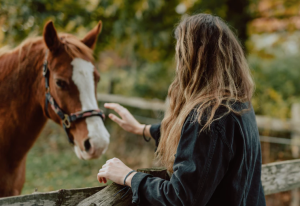
 Recovery is not simply about overcoming addiction. It is about creating a healthier relationship with yourself, rebuilding trust, and developing the emotional strength to move forward with confidence. While counseling, medical care, and peer support remain essential parts of treatment, holistic therapies can deepen the recovery experience by encouraging growth in ways that traditional approaches sometimes cannot. Equine therapy is one of these powerful therapeutic tools. Through guided interactions with horses, individuals gain valuable life skills, improve emotional awareness, and strengthen their ability to navigate recovery. At Djurannons, equine therapy is part of a personalized treatment approach that supports addiction recovery, mental wellness, and lasting emotional growth.
What Is Equine Therapy?
Equine therapy, also known as equine-assisted therapy, is an experiential form of treatment that incorporates horses into the recovery process. Rather than focusing solely on conversation, participants engage in structured activities that promote self-awareness, communication, and emotional regulation.
Sessions typically involve grooming, leading, feeding, or caring for horses while working alongside trained professionals. Horses naturally respond to human emotions and body language, offering honest and immediate feedback that helps participants better understand themselves.
This unique therapeutic experience complements evidence-based addiction treatment and mental health care by helping individuals apply emotional insights in real time.
Why Emotional Growth Is Essential for Recovery
Addiction often develops alongside unresolved emotional challenges such as trauma, anxiety, depression, grief, or chronic stress. Lasting recovery requires addressing these underlying issues while developing healthier ways to respond to life’s difficulties.
Emotional growth allows individuals to:
- Build healthier coping strategies
- Improve self-awareness
- Strengthen decision making
- Develop resilience during stressful situations
- Form healthier relationships
- Maintain long-term recovery
Equine therapy provides practical opportunities to develop these essential skills in a supportive environment.
How Horses Help Support Addiction Recovery
Encouraging Honest Self-Reflection
Horses respond to what they observe rather than what they are told. They react to body language, emotional energy, and consistency.
If a participant feels anxious or distracted, the horse may become hesitant. When the participant becomes calm and focused, the horse often responds positively. These interactions encourage honest self-reflection and help individuals recognize emotional patterns that may influence their behavior.
Learning to identify these patterns is an important step in preventing relapse and building healthier habits.
Building Confidence Through Small Successes
Many people entering addiction treatment struggle with feelings of shame or self-doubt. Working with horses provides opportunities to experience success through simple but meaningful accomplishments.
Leading a horse, completing a grooming task, or successfully communicating with an animal that weighs hundreds of pounds can help rebuild confidence and reinforce the belief that positive change is possible.
Developing Patience and Responsibility
Recovery requires consistency and commitment. Horses thrive on routine, patience, and clear communication.
By caring for horses and participating in guided activities, individuals strengthen responsibility, accountability, and perseverance. These qualities often carry over into everyday recovery, making it easier to maintain healthy routines and positive lifestyle changes.
Mental Health Benefits of Equine Therapy
Equine therapy supports emotional healing alongside addiction recovery by promoting overall mental wellness.
Reducing Stress and Anxiety
Time spent with horses naturally encourages mindfulness. Participants learn to focus on the present moment instead of becoming overwhelmed by worries or past experiences.
This shift in attention helps reduce anxiety and promotes a greater sense of calm. Practicing mindfulness also strengthens emotional resilience during recovery.
Improving Emotional Regulation
Managing emotions can be difficult for individuals recovering from addiction or living with mental health conditions.
Because horses provide immediate feedback, participants learn to recognize emotional reactions and respond more thoughtfully. Over time, these experiences strengthen emotional regulation and improve coping skills.
Rebuilding Trust
Trust is often damaged by addiction, trauma, or difficult life experiences. Horses offer a unique opportunity to rebuild trust without fear of judgment.
As participants develop relationships with horses through patience and consistency, they often gain confidence in their ability to rebuild healthy relationships with family members, friends, and themselves.
Equine Therapy as Part of Holistic Treatment
At Djurannons, recovery is viewed as a journey that involves the whole person. Effective treatment addresses emotional, physical, mental, and spiritual well-being rather than focusing solely on addiction symptoms.
Inpatient Treatment Programs
Individuals who require structured care benefit from inpatient treatment that combines evidence-based therapies with holistic approaches such as equine therapy. This supportive environment allows clients to focus fully on healing.
Outpatient Treatment Services
Outpatient care provides flexibility while maintaining access to professional treatment. Equine therapy can reinforce recovery skills learned during counseling sessions and help clients continue making progress in their daily lives.
Comprehensive Mental Health Care
Many people experience anxiety, depression, trauma, or other mental health conditions alongside addiction. Equine therapy complements counseling by helping clients process emotions, reduce stress, and strengthen resilience.
Faith-Based and Individualized Care
No two recovery journeys are the same. Personalized treatment plans that respect each individual’s beliefs, values, and goals create a stronger foundation for lasting healing. Equine therapy naturally supports this client-centered philosophy by meeting participants where they are and encouraging growth at their own pace.
What Happens During an Equine Therapy Session?
No horseback riding experience is required to participate. Many sessions focus entirely on ground-based activities designed to build confidence and emotional awareness.
Participants may:
- Groom and care for horses
- Lead horses through guided exercises
- Observe herd behavior
- Practice communication and problem-solving
- Reflect on experiences with licensed therapists
Each activity is designed to connect therapeutic lessons with real-life recovery challenges and personal goals.
Take the Next Step Toward Lasting Healing
Recovery is about discovering new strengths while learning healthier ways to face life’s challenges. Equine therapy provides a unique opportunity to build confidence, improve emotional wellness, and develop practical skills that support long-term recovery.
At Djurannons, compassionate professionals provide comprehensive addiction recovery services, mental health treatment, inpatient and outpatient care, and holistic, faith-based support tailored to each individual’s needs. Equine therapy is one part of this personalized approach, helping clients build a stronger foundation for lifelong wellness.
If you or someone you love is ready to begin the journey toward recovery, reach out today to learn how equine therapy and individualized treatment can support healing, emotional growth, and a healthier future.