
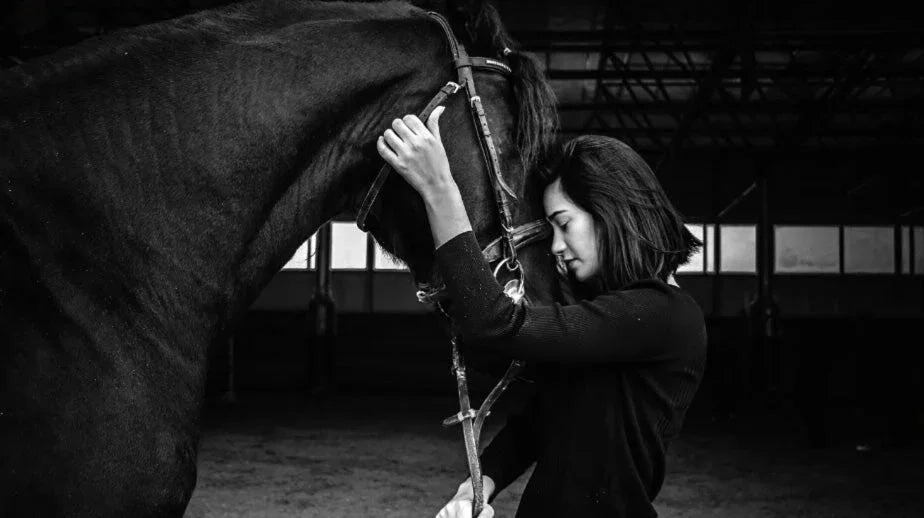
 Healing from addiction and mental health challenges is about more than overcoming symptoms. It is about rebuilding trust, developing emotional resilience, and finding healthy ways to move forward. While evidence-based therapies remain the cornerstone of effective treatment, many individuals benefit from holistic approaches that encourage healing on multiple levels. Equine therapy is one of these powerful approaches. Through meaningful interactions with horses, individuals can gain valuable insights into their emotions, strengthen their confidence, and build skills that support lasting recovery. At Djurannons, equine therapy complements comprehensive addiction recovery and mental health treatment by providing a compassionate, individualized experience that promotes healing of the mind, body, and spirit.
What Is Equine Therapy?
Equine therapy, also known as equine-assisted therapy, is an experiential treatment that incorporates horses into the recovery process. Under the guidance of trained professionals, participants engage in structured activities that encourage emotional awareness, communication, and personal growth.
Unlike traditional counseling sessions that rely primarily on conversation, equine therapy focuses on learning through experience. Activities may include grooming, leading, feeding, or simply observing horses. These interactions help participants become more aware of their thoughts, emotions, and behaviors while practicing healthier ways to respond to life’s challenges.
Because horses naturally respond to human emotions and body language, they provide immediate and honest feedback that encourages self-reflection without judgment.
Why the Horse Human Connection Is So Powerful
The connection between people and horses is built on trust, patience, and mutual respect. Horses are highly intuitive animals that respond to authenticity rather than words alone.
For individuals recovering from addiction or managing mental health conditions, this unique relationship creates opportunities to explore emotions in a safe and supportive environment.
Horses Encourage Emotional Awareness
Many people entering treatment have spent years avoiding difficult emotions or coping with them in unhealthy ways. Horses help participants become more aware of how emotions influence their behavior.
When a person approaches a horse feeling anxious, frustrated, or distracted, the horse often responds to that emotional state. This natural feedback allows participants to recognize feelings they may not have fully acknowledged and begin developing healthier emotional responses.
Building Trust One Step at a Time
Trust is often damaged by addiction, trauma, or prolonged mental health struggles. Rebuilding trust can feel overwhelming, especially when relationships have been strained.
Working with horses teaches that trust develops through consistency, patience, and respect. As participants build a relationship with a horse, they often begin restoring confidence in themselves and their ability to form healthy connections with others.
Supporting Mental Wellness Through Equine Therapy
Equine therapy provides a variety of emotional and psychological benefits that complement traditional addiction treatment and mental health services.
Reducing Anxiety Through Mindfulness
Horses live entirely in the present moment. Their calm presence naturally encourages participants to slow down and focus on what is happening right now.
This practice of mindfulness helps reduce anxiety, quiet racing thoughts, and create a greater sense of emotional balance. These skills are especially valuable during recovery, when managing stress and avoiding relapse are essential.
Improving Emotional Regulation
Learning to regulate emotions is one of the most important aspects of recovery. Equine therapy provides practical opportunities to practice patience, self-control, and thoughtful decision making.
As participants learn to communicate effectively with horses, they also develop healthier ways of responding to frustration, fear, and uncertainty in everyday life.
Increasing Confidence and Self-Esteem
Many individuals entering treatment struggle with feelings of guilt, shame, or self-doubt. Successfully completing activities with a horse helps rebuild confidence by providing achievable goals and meaningful accomplishments.
Each positive experience reinforces the belief that change is possible and that recovery is built through steady progress.
Equine Therapy and Addiction Recovery
Recovery is strongest when treatment addresses both substance use and the emotional challenges that often accompany addiction. Equine therapy supports long-term recovery by helping individuals develop practical life skills that extend beyond therapy sessions.
Participants often strengthen their ability to:
- Communicate openly and honestly
- Build healthy relationships
- Manage stress without turning to substances
- Develop patience and resilience
- Increase personal responsibility
- Practice healthy coping strategies
These skills become valuable tools for maintaining sobriety and improving overall well-being.
A Holistic Approach to Personalized Care
At Djurannons, equine therapy is integrated into individualized treatment plans that recognize every person’s recovery journey is unique. Rather than focusing solely on addiction symptoms, holistic care addresses emotional, physical, mental, and spiritual wellness.
Inpatient and Outpatient Treatment
Whether someone requires the structure of inpatient care or the flexibility of outpatient services, equine therapy can complement a comprehensive recovery plan. It reinforces the skills learned during counseling while providing real-world opportunities for personal growth.
Mental Health Treatment
Many people living with addiction also experience anxiety, depression, trauma, or other mental health conditions. Equine therapy works alongside evidence-based mental health treatment to strengthen emotional resilience and improve overall functioning.
Faith-Based and Individualized Support
Healing is deeply personal. Faith-based care and individualized treatment plans allow clients to receive support that aligns with their values, beliefs, and recovery goals. Equine therapy naturally fits within this compassionate, client-centered approach by creating meaningful experiences that inspire hope and personal transformation.
What to Expect During an Equine Therapy Session
Most equine therapy sessions focus on ground-based activities rather than horseback riding. No previous experience with horses is required.
Participants may:
- Groom and care for horses
- Lead horses through guided exercises
- Practice communication and trust-building skills
- Observe herd interactions and behavior
- Reflect on experiences with licensed therapists
Each activity is designed to help participants apply the lessons learned with horses to everyday recovery and emotional wellness.
Begin Your Journey Toward Lasting Recovery
The bond between humans and horses offers something truly unique. Through trust, mindfulness, patience, and authentic connection, equine therapy helps individuals rebuild confidence and discover healthier ways to navigate life’s challenges.
At Djurannons, compassionate professionals combine equine therapy with evidence-based addiction recovery, mental health treatment, inpatient and outpatient services, and holistic, faith-based care to create personalized treatment plans that support lasting healing.
If you or someone you care about is ready to take the next step toward recovery, reaching out today can begin a journey of hope, growth, and transformation. With the right support and the healing presence of horses, lasting recovery is within reach.