
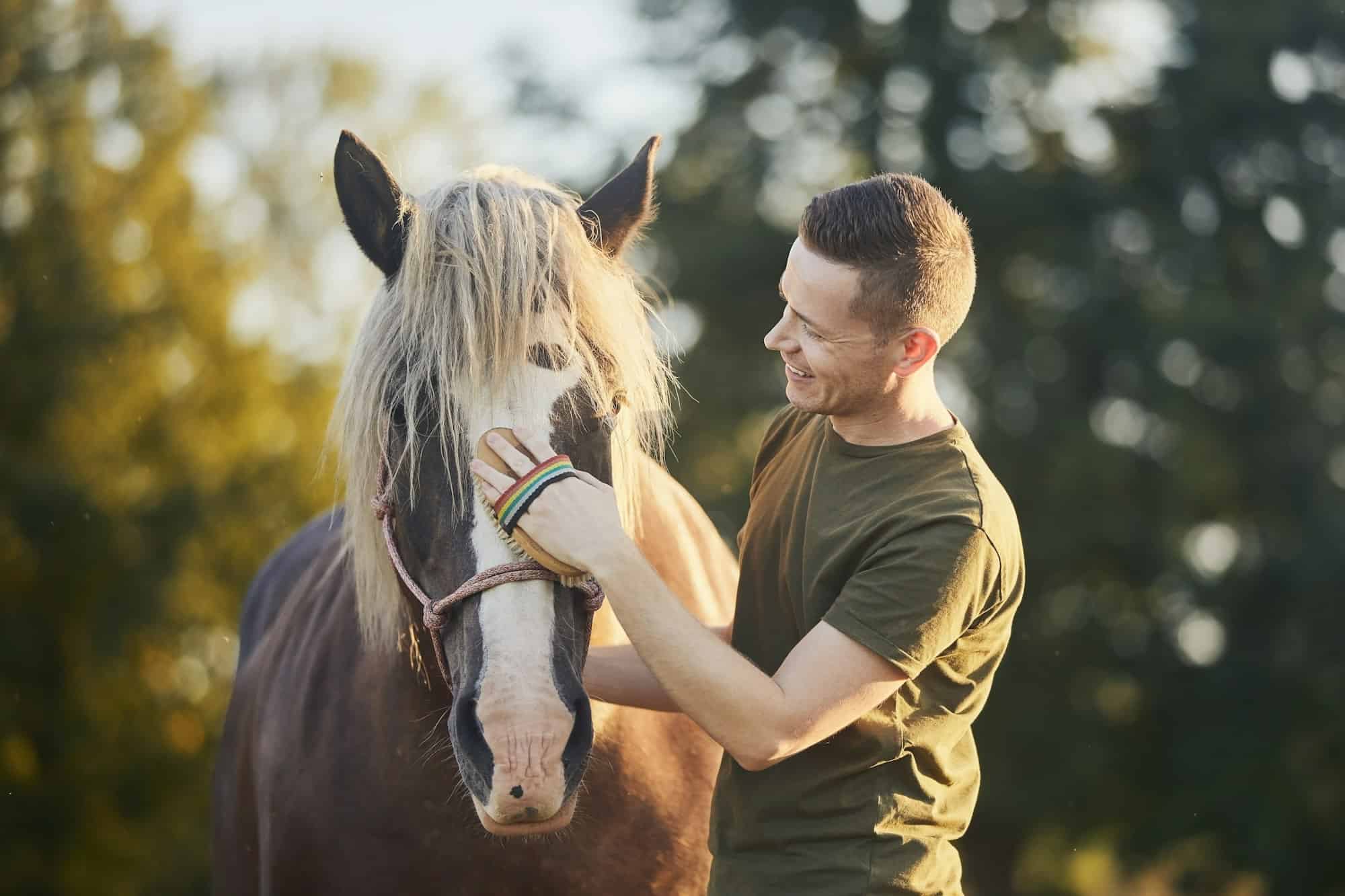
 Mental health recovery does not always happen through conversation alone. For people dealing with addiction, anxiety, trauma, depression, or overwhelming emotional stress, healing may require opportunities to experience safety, connection, and confidence in new ways. Equine therapy offers one such opportunity. By bringing horses into a structured therapeutic environment, individuals can practice mindfulness, emotional regulation, communication, and trust while developing a stronger connection with themselves. As part of a holistic and individualized approach to recovery, equine therapy can complement professional mental health treatment and help people take meaningful steps toward emotional healing.
What Is Equine Therapy?
Equine therapy, sometimes called equine-assisted therapy, uses guided interactions with horses as part of a therapeutic process. Depending on the program and the individual’s treatment goals, sessions may involve grooming, leading, observing, or caring for horses.
The goal is not simply to spend time around animals. Instead, activities are intentionally connected to therapeutic goals. A participant might work on communication while leading a horse, practice patience while grooming, or explore emotional responses during an unfamiliar activity.
These experiences can give therapists and clients valuable opportunities to identify behavioral patterns and develop healthier responses.
Why Horses Can Make a Difference
Horses are highly responsive to movement, body language, and changes in their surroundings. They can provide immediate feedback about how a person is approaching an interaction.
For someone who feels disconnected from their emotions, this can create a useful starting point for self-awareness. The experience also encourages participants to slow down, pay attention, and respond rather than simply react.
Most importantly, equine therapy is not intended to replace comprehensive mental health or addiction treatment. It can serve as a complementary component of a broader, professionally guided recovery plan.
How Equine Therapy Supports Emotional Healing
Emotional healing often begins with learning to recognize what is happening internally. Before someone can change an unhealthy response, they need to understand the emotions, thoughts, and circumstances behind it.
Equine therapy can make this process more experiential and easier to recognize.
Building Emotional Awareness
A person may not realize how strongly anxiety affects their communication until they interact with a horse that responds to their tension or uncertainty.
During a guided session, that reaction can become an opportunity for reflection. What was the person feeling? How did they respond? What changed when they slowed down?
These questions can help individuals become more aware of emotional patterns that also appear in relationships, work, family life, or recovery.
Practicing Emotional Regulation
Strong emotions can influence decision making. For someone recovering from addiction, difficulty managing stress, anger, loneliness, or fear can become especially challenging.
Working with horses creates opportunities to practice staying calm and focused. Participants can learn to pause, regulate their emotions, and approach a situation with greater patience.
These skills can later be applied to everyday recovery challenges.
Equine Therapy and Addiction Recovery
Addiction recovery involves much more than stopping substance use. Sustainable recovery requires developing new coping skills, rebuilding relationships, addressing underlying emotional concerns, and creating a meaningful life without relying on substances.
Equine therapy can support this process by providing practical opportunities to develop important recovery skills.
Rebuilding Self-Confidence
Addiction can significantly damage a person’s confidence. Shame, guilt, and repeated setbacks may create the belief that positive change is impossible.
Equine activities can provide manageable challenges and opportunities for success. Completing a task, communicating effectively, or calmly responding to an unexpected situation can reinforce a sense of capability.
Over time, these small experiences can help individuals recognize their strengths and become more willing to face challenges in recovery.
Developing Trust
Trust can be complicated after addiction or trauma. Some individuals have difficulty trusting others, while others have lost confidence in their own judgment.
A relationship with a horse develops through patience, consistency, and respectful communication. Participants can learn that trust does not have to happen immediately. It can develop through repeated, healthy interactions.
That lesson can be valuable when rebuilding relationships with loved ones and developing a stronger relationship with oneself.
Mental Health Benefits of Working With Horses
Equine therapy can also support broader mental wellness by encouraging skills that are useful beyond addiction treatment.
Supporting Mindfulness
Horses require attention to the present moment. Participants need to notice their surroundings, body language, movements, and the horse’s responses.
This naturally encourages mindfulness.
For someone whose thoughts are dominated by past experiences or future worries, focusing on a horse can provide a temporary shift toward the present. With practice, mindfulness can become a useful coping strategy for managing stress and emotional discomfort.
Encouraging Connection
Mental health challenges can create isolation. A person may withdraw from family, friends, or activities they once enjoyed.
Interactions with horses can provide a gentle way to experience connection without the pressure of a traditional social environment. Participants can practice communication and relationship skills at a manageable pace.
The goal is not to replace human relationships. Rather, the experience can help individuals develop skills that make healthy relationships more accessible.
Promoting Resilience
Recovery involves setbacks. Emotional healing is rarely a straight path, and difficult days do not mean treatment has failed.
Working with horses can reinforce the importance of patience and persistence. Participants may encounter an unexpected response or a task that does not work as planned. Instead of giving up, they can learn to pause, adjust their approach, and try again.
That is an important lesson for long-term recovery.
Integrating Equine Therapy Into Personalized Care
Every individual has different experiences, needs, values, and recovery goals. That is why equine therapy is most effective when it is incorporated into an individualized treatment plan rather than treated as a universal solution.
Inpatient Addiction Treatment
Inpatient care can provide structure and stability for individuals who need intensive support. Within an appropriate treatment setting, holistic therapies can complement counseling, clinical services, and recovery education.
Equine therapy may provide additional opportunities to practice emotional and interpersonal skills in a structured environment.
Outpatient Treatment
Outpatient programs can help people continue treatment while managing responsibilities at home, work, or school.
For these individuals, experiential therapies can reinforce lessons learned through counseling and provide practical ways to continue developing emotional regulation and coping skills.
Mental Health Treatment
Addiction and mental health concerns frequently require comprehensive attention. Someone may be coping with depression, anxiety, trauma, or other emotional challenges at the same time as substance use.
A coordinated treatment plan can address these concerns together. Equine therapy may complement traditional mental health services by offering an experiential setting for exploring emotions, relationships, and personal strengths.
Holistic and Faith-Based Support
Holistic recovery recognizes that healing involves more than one part of a person’s life. Emotional, physical, mental, relational, and spiritual needs can all influence well-being.
For individuals who value faith, spiritual support can provide an additional source of meaning and hope. When combined with individualized treatment and appropriate clinical care, holistic approaches can help create a recovery experience that respects the whole person.
What to Expect From Equine Therapy
People sometimes assume equine therapy requires riding experience. That is not necessarily the case. Many therapeutic activities take place on the ground.
Depending on the program, a session may include:
- Grooming or caring for a horse
- Leading a horse through a structured exercise
- Observing horse behavior
- Practicing communication and boundaries
- Completing problem-solving activities
- Reflecting on emotional responses with a therapist
The specific activities should be determined by qualified professionals according to the individual’s needs and treatment goals.
Taking the Next Step Toward Emotional Healing
Healing can begin in unexpected places. For some people, the quiet presence of a horse creates an opportunity to slow down, become more aware, and reconnect with strengths that addiction or emotional pain may have hidden.
Equine therapy is not a shortcut to recovery, and it should not replace appropriate clinical treatment. However, when thoughtfully integrated into comprehensive care, it can provide valuable opportunities to practice trust, mindfulness, emotional regulation, communication, and resilience.
If you or someone you love is struggling with addiction or mental health challenges, you do not have to navigate recovery alone. Inpatient and outpatient treatment, professional mental health care, holistic therapies, faith-based support, and individualized recovery planning can provide a foundation for meaningful change.
The first step does not have to solve everything. It simply needs to move you closer to healing. Reaching out for professional support today can be the beginning of a healthier, more hopeful future.