
Trust, Connection, and Recovery: What Horses Can Teach Us About Healing

Recovery from addiction is not simply about stopping substance use. It is about rebuilding a life in which trust, connection, emotional balance, and self-respect can grow again. For many people, that process requires more than traditional conversations in a counselling room. Equine therapy offers a unique way to explore emotional healing through interaction with horses, helping individuals become more aware of their feelings, behaviours, boundaries, and relationships. The quiet presence of a horse can create opportunities to practise trust and connection in ways that feel natural, immediate, and deeply personal.

When combined with appropriate addiction recovery and mental health treatment, equine therapy can become part of a holistic approach to healing. It can complement inpatient or outpatient care while supporting individualized treatment goals and helping people develop practical skills they can carry into everyday life.

Why Trust Matters in Addiction Recovery

Addiction can affect a person’s ability to trust themselves and others. Repeated substance use may damage relationships, create secrecy, and lead to feelings of guilt or shame. Over time, someone may begin to believe that relying on other people is unsafe or that they are incapable of making healthy decisions.

Recovery requires rebuilding that trust gradually.

Learning to Be Present With a Horse

Horses respond closely to their environment. They can react to changes in body language, energy, movement, and behaviour. Because of this, interacting with a horse often encourages people to slow down and pay attention to what they are communicating without words.

That awareness can be valuable during addiction recovery.

Someone who feels anxious, frustrated, guarded, or overwhelmed may begin recognizing those emotions through their interactions with the horse. Instead of immediately reacting, they can learn to pause, observe, and consider what is happening internally.

These are skills that can also support healthier responses to cravings, stress, conflict, and emotional triggers.

Connection Can Be Part of the Healing Process

Isolation is common when someone is struggling with addiction or a mental health concern. A person may withdraw from family members, avoid social situations, or feel disconnected from their own emotions.

Equine therapy creates a different kind of relational experience.

A horse does not require someone to explain their history before engaging with them. The interaction begins in the present moment. This can make it easier for some individuals to participate without feeling pressured to immediately put difficult experiences into words.

Building Healthy Relationships

Working with horses can provide opportunities to practise patience, communication, respect, and boundaries. These qualities matter far beyond the therapy setting.

Healthy relationships require people to understand that connection is built through consistent behaviour. Trust develops when actions and intentions become reliable over time. Recovery works in much the same way.

A person may begin by learning how to approach a horse calmly. With guidance, they may learn to recognize the animal’s responses and adjust their own behaviour. These simple experiences can encourage reflection on how they approach people, handle frustration, communicate needs, and respond when something does not go according to plan.

What Horses Can Teach Us About Emotional Regulation

Emotional regulation is an important part of addiction recovery. Many people turn to substances because they have difficulty managing anxiety, sadness, anger, loneliness, trauma, or overwhelming stress.

Learning to regulate emotions does not mean eliminating difficult feelings. Instead, it means developing healthier ways to recognize and manage them.

Slowing Down Instead of Reacting

Working around horses can encourage a slower pace. Individuals may need to become aware of their breathing, movements, tone, and physical presence.

That pause can be meaningful.

In everyday life, a stressful situation can trigger an immediate reaction. Recovery involves learning that there can be space between an emotion and a decision. Developing that awareness can help a person make choices based on long-term goals rather than short-term impulses.

This principle can apply when facing cravings, interpersonal conflict, workplace pressure, or other recovery challenges.

Equine Therapy Can Support Mental Health Treatment

Addiction and mental health concerns frequently overlap. Anxiety, depression, trauma, low self-esteem, and other emotional difficulties can influence substance use, while addiction can make existing mental health challenges more difficult to manage.

For that reason, effective treatment should consider the whole person.

Equine therapy can complement broader mental health treatment by giving individuals another setting in which to explore emotions, behaviour, relationships, and personal strengths.

A Holistic Approach to Recovery

Holistic care recognizes that lasting recovery involves more than addressing substance use alone. Emotional wellness, relationships, physical health, purpose, spirituality, and daily routines can all influence a person’s ability to maintain progress.

An individualized program can bring different approaches together based on the person’s circumstances and goals.

For some individuals, this may include equine therapy alongside counselling and structured addiction treatment. Others may benefit from inpatient care that provides stability and distance from harmful environments before transitioning to outpatient support.

Faith-based care can also be meaningful for people who want their spiritual beliefs to be part of their recovery process. When treatment respects the individual’s values, goals, and personal beliefs, the recovery experience can become more relevant and sustainable.

Rebuilding Confidence Through Small Steps

Addiction can undermine confidence. A person may remember broken promises, damaged relationships, missed responsibilities, or decisions they regret. These experiences can create the belief that change is impossible.

Recovery challenges that belief one step at a time.

Progress Does Not Have to Be Perfect

Working with a horse can provide opportunities to experience progress in manageable ways. Learning how to communicate clearly, remain patient, establish boundaries, or respond calmly to an unexpected situation can create small but meaningful successes.

Those experiences matter.

Confidence often develops through action rather than simply being told to believe in yourself. When people see themselves responding differently, they can begin to recognize that change is possible.

The same principle applies throughout recovery. Attending treatment, being honest in counselling, repairing relationships, managing a difficult emotion, or asking for help can all become evidence of personal growth.

What to Expect From Equine Therapy

Equine therapy does not necessarily mean riding horses. Depending on the program and treatment goals, sessions may involve activities such as grooming, observing, leading, caring for, or interacting with horses under appropriate professional guidance.

The specific approach should always be determined by qualified professionals and tailored to the individual’s needs.

The goal is not to become an expert horse rider. The focus is on what the interaction can reveal and teach about emotional patterns, communication, trust, boundaries, and personal behaviour.

Taking the Next Step Toward Recovery

Healing from addiction requires courage, patience, and support. There is no single approach that works for everyone, which is why individualized treatment can be so important. For some people, equine therapy can offer a meaningful way to explore trust, connection, emotional regulation, and confidence while participating in a broader recovery program.

Horses cannot replace professional addiction or mental health treatment. However, their presence can provide a powerful setting for learning and reflection when equine therapy is thoughtfully integrated into a comprehensive care plan.

If addiction, anxiety, emotional distress, or another mental health concern is affecting your life, reaching out for support can be an important first step. Whether you need inpatient care, outpatient treatment, counselling, holistic support, or an individualized combination of approaches, recovery begins with recognizing that change is possible.

You do not have to rebuild your life alone. With the right support, trust can be rebuilt, meaningful connections can return, and each small step can move you closer to a healthier and more hopeful future.
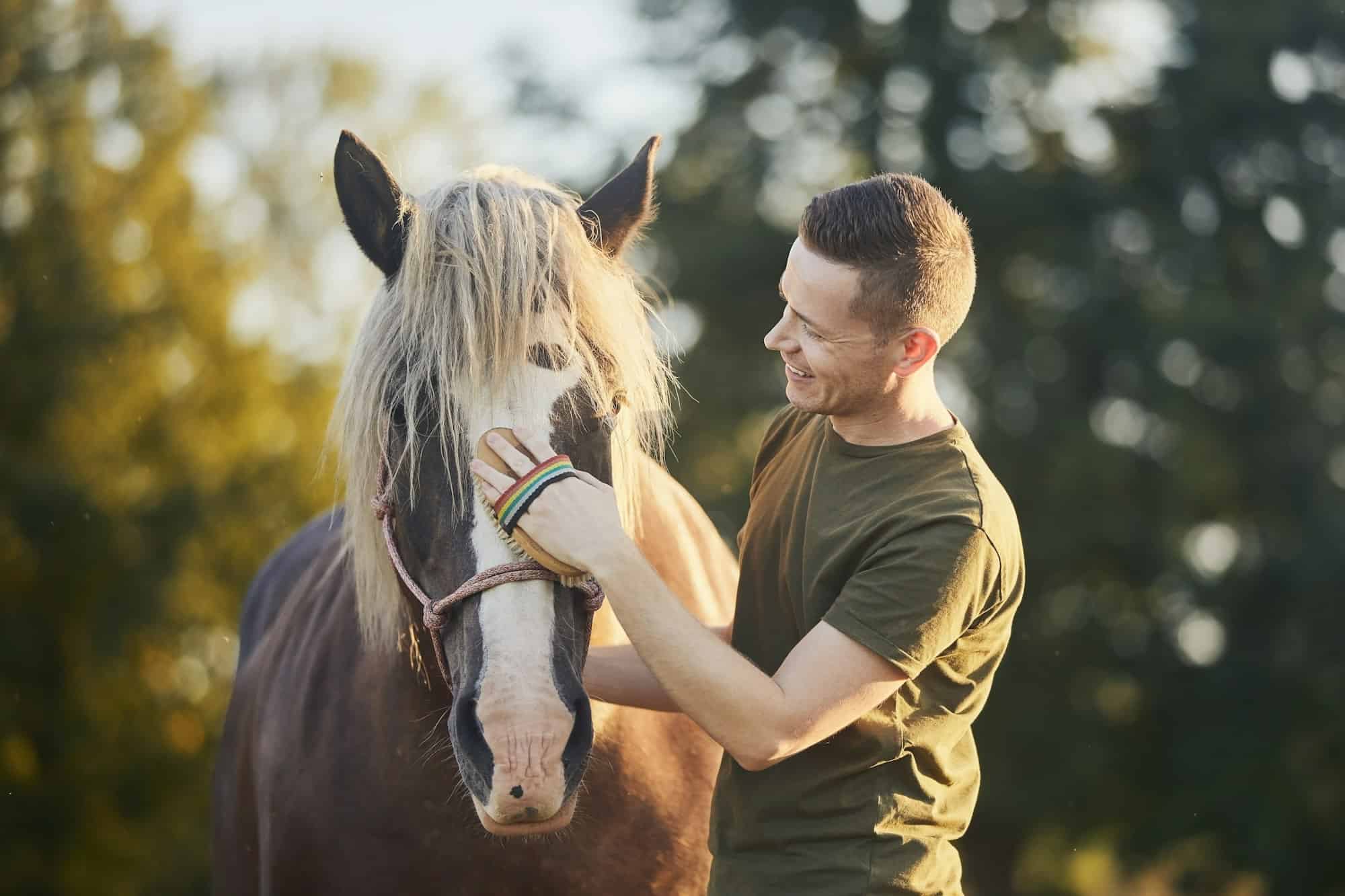
Beyond the Stable: How Equine Therapy Supports Mental Health and Emotional Healing

Mental health recovery does not always happen through conversation alone. For people dealing with addiction, anxiety, trauma, depression, or overwhelming emotional stress, healing may require opportunities to experience safety, connection, and confidence in new ways. Equine therapy offers one such opportunity. By bringing horses into a structured therapeutic environment, individuals can practice mindfulness, emotional regulation, communication, and trust while developing a stronger connection with themselves. As part of a holistic and individualized approach to recovery, equine therapy can complement professional mental health treatment and help people take meaningful steps toward emotional healing.
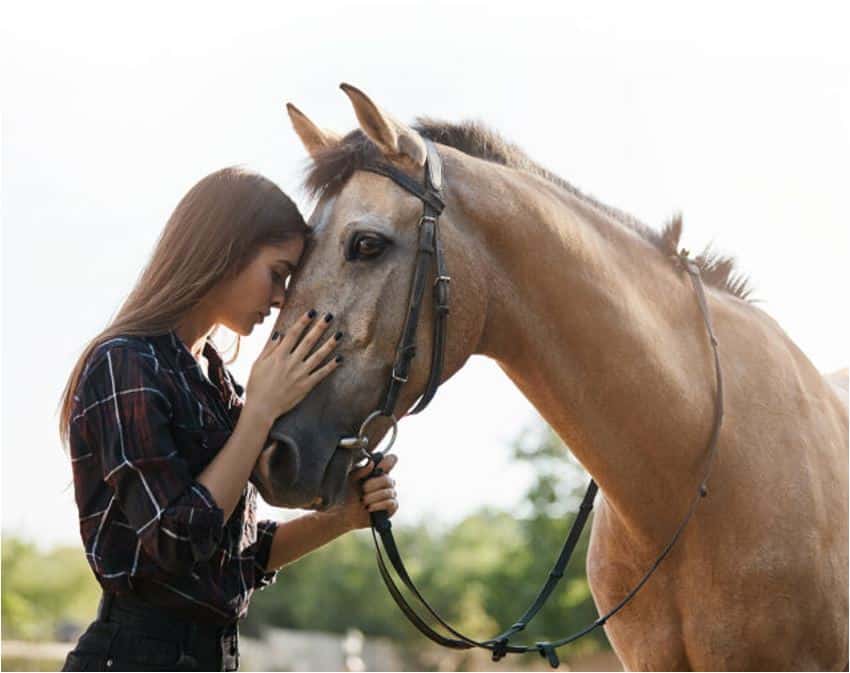
What Is Equine Therapy?

Equine therapy, sometimes called equine-assisted therapy, uses guided interactions with horses as part of a therapeutic process. Depending on the program and the individual’s treatment goals, sessions may involve grooming, leading, observing, or caring for horses.

The goal is not simply to spend time around animals. Instead, activities are intentionally connected to therapeutic goals. A participant might work on communication while leading a horse, practice patience while grooming, or explore emotional responses during an unfamiliar activity.

These experiences can give therapists and clients valuable opportunities to identify behavioral patterns and develop healthier responses.

Why Horses Can Make a Difference

Horses are highly responsive to movement, body language, and changes in their surroundings. They can provide immediate feedback about how a person is approaching an interaction.

For someone who feels disconnected from their emotions, this can create a useful starting point for self-awareness. The experience also encourages participants to slow down, pay attention, and respond rather than simply react.

Most importantly, equine therapy is not intended to replace comprehensive mental health or addiction treatment. It can serve as a complementary component of a broader, professionally guided recovery plan.

How Equine Therapy Supports Emotional Healing

Emotional healing often begins with learning to recognize what is happening internally. Before someone can change an unhealthy response, they need to understand the emotions, thoughts, and circumstances behind it.

Equine therapy can make this process more experiential and easier to recognize.

Building Emotional Awareness

A person may not realize how strongly anxiety affects their communication until they interact with a horse that responds to their tension or uncertainty.

During a guided session, that reaction can become an opportunity for reflection. What was the person feeling? How did they respond? What changed when they slowed down?

These questions can help individuals become more aware of emotional patterns that also appear in relationships, work, family life, or recovery.

Practicing Emotional Regulation

Strong emotions can influence decision making. For someone recovering from addiction, difficulty managing stress, anger, loneliness, or fear can become especially challenging.

Working with horses creates opportunities to practice staying calm and focused. Participants can learn to pause, regulate their emotions, and approach a situation with greater patience.

These skills can later be applied to everyday recovery challenges.

Equine Therapy and Addiction Recovery

Addiction recovery involves much more than stopping substance use. Sustainable recovery requires developing new coping skills, rebuilding relationships, addressing underlying emotional concerns, and creating a meaningful life without relying on substances.

Equine therapy can support this process by providing practical opportunities to develop important recovery skills.

Rebuilding Self-Confidence

Addiction can significantly damage a person’s confidence. Shame, guilt, and repeated setbacks may create the belief that positive change is impossible.

Equine activities can provide manageable challenges and opportunities for success. Completing a task, communicating effectively, or calmly responding to an unexpected situation can reinforce a sense of capability.

Over time, these small experiences can help individuals recognize their strengths and become more willing to face challenges in recovery.

Developing Trust

Trust can be complicated after addiction or trauma. Some individuals have difficulty trusting others, while others have lost confidence in their own judgment.

A relationship with a horse develops through patience, consistency, and respectful communication. Participants can learn that trust does not have to happen immediately. It can develop through repeated, healthy interactions.

That lesson can be valuable when rebuilding relationships with loved ones and developing a stronger relationship with oneself.

Mental Health Benefits of Working With Horses

Equine therapy can also support broader mental wellness by encouraging skills that are useful beyond addiction treatment.

Supporting Mindfulness

Horses require attention to the present moment. Participants need to notice their surroundings, body language, movements, and the horse’s responses.

This naturally encourages mindfulness.

For someone whose thoughts are dominated by past experiences or future worries, focusing on a horse can provide a temporary shift toward the present. With practice, mindfulness can become a useful coping strategy for managing stress and emotional discomfort.

Encouraging Connection

Mental health challenges can create isolation. A person may withdraw from family, friends, or activities they once enjoyed.

Interactions with horses can provide a gentle way to experience connection without the pressure of a traditional social environment. Participants can practice communication and relationship skills at a manageable pace.

The goal is not to replace human relationships. Rather, the experience can help individuals develop skills that make healthy relationships more accessible.

Promoting Resilience

Recovery involves setbacks. Emotional healing is rarely a straight path, and difficult days do not mean treatment has failed.

Working with horses can reinforce the importance of patience and persistence. Participants may encounter an unexpected response or a task that does not work as planned. Instead of giving up, they can learn to pause, adjust their approach, and try again.

That is an important lesson for long-term recovery.

Integrating Equine Therapy Into Personalized Care

Every individual has different experiences, needs, values, and recovery goals. That is why equine therapy is most effective when it is incorporated into an individualized treatment plan rather than treated as a universal solution.

Inpatient Addiction Treatment

Inpatient care can provide structure and stability for individuals who need intensive support. Within an appropriate treatment setting, holistic therapies can complement counseling, clinical services, and recovery education.

Equine therapy may provide additional opportunities to practice emotional and interpersonal skills in a structured environment.

Outpatient Treatment

Outpatient programs can help people continue treatment while managing responsibilities at home, work, or school.

For these individuals, experiential therapies can reinforce lessons learned through counseling and provide practical ways to continue developing emotional regulation and coping skills.

Mental Health Treatment

Addiction and mental health concerns frequently require comprehensive attention. Someone may be coping with depression, anxiety, trauma, or other emotional challenges at the same time as substance use.

A coordinated treatment plan can address these concerns together. Equine therapy may complement traditional mental health services by offering an experiential setting for exploring emotions, relationships, and personal strengths.

Holistic and Faith-Based Support

Holistic recovery recognizes that healing involves more than one part of a person’s life. Emotional, physical, mental, relational, and spiritual needs can all influence well-being.

For individuals who value faith, spiritual support can provide an additional source of meaning and hope. When combined with individualized treatment and appropriate clinical care, holistic approaches can help create a recovery experience that respects the whole person.

What to Expect From Equine Therapy

People sometimes assume equine therapy requires riding experience. That is not necessarily the case. Many therapeutic activities take place on the ground.

Depending on the program, a session may include:

  • Grooming or caring for a horse
  • Leading a horse through a structured exercise
  • Observing horse behavior
  • Practicing communication and boundaries
  • Completing problem-solving activities
  • Reflecting on emotional responses with a therapist

The specific activities should be determined by qualified professionals according to the individual’s needs and treatment goals.

Taking the Next Step Toward Emotional Healing

Healing can begin in unexpected places. For some people, the quiet presence of a horse creates an opportunity to slow down, become more aware, and reconnect with strengths that addiction or emotional pain may have hidden.

Equine therapy is not a shortcut to recovery, and it should not replace appropriate clinical treatment. However, when thoughtfully integrated into comprehensive care, it can provide valuable opportunities to practice trust, mindfulness, emotional regulation, communication, and resilience.

If you or someone you love is struggling with addiction or mental health challenges, you do not have to navigate recovery alone. Inpatient and outpatient treatment, professional mental health care, holistic therapies, faith-based support, and individualized recovery planning can provide a foundation for meaningful change.

The first step does not have to solve everything. It simply needs to move you closer to healing. Reaching out for professional support today can be the beginning of a healthier, more hopeful future.

The Healing Power of Horses: How Equine Therapy Builds Hope in Recovery

Recovery can begin at a moment when hope feels difficult to find. Addiction, anxiety, trauma, depression, and other mental health challenges can leave people feeling disconnected from themselves and the people around them. Although traditional counseling and clinical treatment remain essential parts of recovery, some people also benefit from experiences that help them reconnect with their emotions in a different way. Equine therapy offers that opportunity. Through guided interactions with horses, individuals can build confidence, develop emotional awareness, and discover practical strengths that support lasting recovery.
What Is Equine Therapy?

Equine therapy is an experiential approach that incorporates horses into a structured therapeutic process. Depending on the program and an individual’s needs, activities may include grooming, leading, observing, and caring for horses.

The goal is not simply to learn horsemanship. Instead, the experience can create opportunities for self-reflection, communication, emotional regulation, and personal growth.

Equine-assisted approaches can complement more traditional forms of care by providing a hands-on environment where participants can practice skills rather than only discussing them. Each person’s experience should be tailored to their needs and guided appropriately by qualified professionals.

Why Horses Can Be Powerful Partners in Healing

Horses communicate largely through movement, behavior, and body language. For someone who has difficulty expressing complicated feelings, this can create a different pathway toward emotional awareness.

Horses Encourage Presence

A person working with a horse needs to pay attention to the present moment. Distraction, frustration, fear, and uncertainty can all affect how an interaction unfolds.

This natural need for focus can support mindfulness. Instead of becoming consumed by regret about the past or fear about the future, participants can practice noticing what they are feeling right now.

Mindfulness is particularly valuable in addiction recovery because it can help individuals recognize cravings, triggers, and emotional reactions before those experiences become overwhelming.

Honest Feedback Can Encourage Self-Awareness

Recovery requires honesty, especially honesty with oneself. Many people struggling with addiction have learned to hide pain, avoid difficult emotions, or disconnect from uncomfortable experiences.

Working with a horse can encourage greater self-awareness. Participants may notice how tension affects their body language, how frustration changes their communication, or how calm and patience influence an interaction.

These observations can become meaningful topics for reflection in treatment. Over time, greater emotional awareness can help individuals develop healthier responses to stress and challenging situations.

Building Confidence Through Equine Therapy

Addiction and mental health struggles can seriously affect self-esteem. Someone may carry guilt about the past, feel ashamed of previous choices, or doubt their ability to change.

Equine therapy can create opportunities for small but meaningful successes.

Learning That Progress Is Possible

Building a relationship with a horse requires patience and consistency. Progress may not happen immediately, and that can be an important lesson.

Recovery also takes time. Confidence is often rebuilt through repeated positive choices rather than one dramatic moment of change. Successfully completing a task, practicing a new skill, or overcoming initial fear can remind a participant that personal growth is possible.

These experiences can help replace the belief that “I cannot do this” with a more realistic and hopeful perspective: “I can take the next step.”

Strengthening Trust

Trust can be deeply affected by addiction, trauma, and mental health challenges. Some people struggle to trust others, while others have lost trust in themselves.

A relationship with a horse develops through patience, consistency, and respectful communication. Participants can learn that trust is built over time.

This lesson can carry into other areas of life. As individuals gain confidence in their ability to communicate, set boundaries, and respond calmly, they may also begin strengthening relationships with family, friends, and members of their recovery support system.

Emotional Growth and Long-Term Recovery

Equine therapy is not a replacement for comprehensive addiction or mental health treatment. Instead, it can be a meaningful part of a broader, individualized recovery plan.

Developing Emotional Regulation

Strong emotions can be difficult to manage during recovery. Stress, anger, fear, loneliness, and sadness may sometimes contribute to unhealthy coping patterns.

Equine-assisted experiences can provide opportunities to pause and notice emotional reactions. Participants can practice calming themselves, adjusting their approach, and responding thoughtfully rather than impulsively.

These are valuable skills for long-term recovery.

Practicing Responsibility and Consistency

Healthy recovery often depends on building new routines. Consistency can help individuals maintain treatment goals, strengthen coping skills, and create greater stability.

Caring for and interacting responsibly with a horse can reinforce the value of patience, attention, and follow-through. These qualities can support the development of healthier habits outside the therapeutic setting.

A Holistic and Individualized Approach to Healing

No two people experience addiction or mental health challenges in exactly the same way. Effective treatment recognizes the importance of individualized care.

For some individuals, inpatient treatment may provide the structured environment needed to begin recovery. Others may benefit from outpatient care that allows them to continue meeting responsibilities at home, work, or school while receiving professional support.

Mental health treatment is also an important part of comprehensive recovery, particularly when addiction occurs alongside challenges such as anxiety, depression, trauma, or other emotional concerns.

Holistic care can address the whole person, including emotional, physical, mental, and spiritual needs. For individuals who value faith-based support, spiritual beliefs may also provide comfort, meaning, and encouragement throughout the recovery process.

When appropriate, equine therapy can complement these services by giving clients another meaningful way to explore personal growth.

What Might an Equine Therapy Experience Involve?

No previous riding experience is necessary for many forms of equine-assisted work. In fact, some programs focus primarily on activities from the ground.

Depending on the treatment plan, a session may involve:

  • Grooming and caring for a horse
  • Leading a horse through a guided activity
  • Practicing clear and calm communication
  • Observing horse behavior and interactions
  • Discussing emotional responses and personal insights
  • Connecting the experience to recovery goals

The specific approach should always depend on the individual’s needs, treatment goals, and the qualifications of the professionals providing care.

Finding Hope One Step at a Time

Recovery does not require perfection. It requires a willingness to take the next healthy step, even when the future feels uncertain. For some people, the quiet presence of a horse can become part of a powerful process of rebuilding confidence, trust, and emotional resilience.

The healing power of horses lies not in a quick solution, but in the opportunity to slow down, become present, and discover personal strengths that may have been hidden by addiction or emotional pain.

If you or someone you love is struggling with addiction or mental health challenges, reaching out for professional help can be an important first step. A compassionate, individualized treatment plan can bring together appropriate addiction recovery services, mental health treatment, inpatient or outpatient support, and holistic approaches that reflect each person’s unique needs and goals.

Hope can grow through small moments of progress. With the right support, those moments can become the foundation for lasting recovery and a healthier, more fulfilling future.

Grounded in Healing: How Equine Therapy Supports Addiction Recovery and Emotional Growth

Recovery is not simply about overcoming addiction. It is about creating a healthier relationship with yourself, rebuilding trust, and developing the emotional strength to move forward with confidence. While counseling, medical care, and peer support remain essential parts of treatment, holistic therapies can deepen the recovery experience by encouraging growth in ways that traditional approaches sometimes cannot. Equine therapy is one of these powerful therapeutic tools. Through guided interactions with horses, individuals gain valuable life skills, improve emotional awareness, and strengthen their ability to navigate recovery. At Djurannons, equine therapy is part of a personalized treatment approach that supports addiction recovery, mental wellness, and lasting emotional growth.
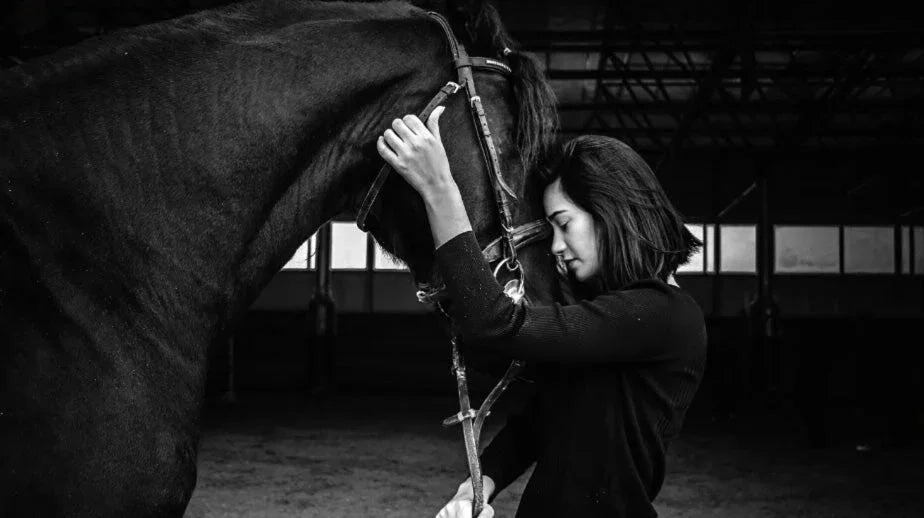
What Is Equine Therapy?

Equine therapy, also known as equine-assisted therapy, is an experiential form of treatment that incorporates horses into the recovery process. Rather than focusing solely on conversation, participants engage in structured activities that promote self-awareness, communication, and emotional regulation.

Sessions typically involve grooming, leading, feeding, or caring for horses while working alongside trained professionals. Horses naturally respond to human emotions and body language, offering honest and immediate feedback that helps participants better understand themselves.

This unique therapeutic experience complements evidence-based addiction treatment and mental health care by helping individuals apply emotional insights in real time.

Why Emotional Growth Is Essential for Recovery

Addiction often develops alongside unresolved emotional challenges such as trauma, anxiety, depression, grief, or chronic stress. Lasting recovery requires addressing these underlying issues while developing healthier ways to respond to life’s difficulties.

Emotional growth allows individuals to:

  • Build healthier coping strategies
  • Improve self-awareness
  • Strengthen decision making
  • Develop resilience during stressful situations
  • Form healthier relationships
  • Maintain long-term recovery

Equine therapy provides practical opportunities to develop these essential skills in a supportive environment.

How Horses Help Support Addiction Recovery

Encouraging Honest Self-Reflection

Horses respond to what they observe rather than what they are told. They react to body language, emotional energy, and consistency.

If a participant feels anxious or distracted, the horse may become hesitant. When the participant becomes calm and focused, the horse often responds positively. These interactions encourage honest self-reflection and help individuals recognize emotional patterns that may influence their behavior.

Learning to identify these patterns is an important step in preventing relapse and building healthier habits.

Building Confidence Through Small Successes

Many people entering addiction treatment struggle with feelings of shame or self-doubt. Working with horses provides opportunities to experience success through simple but meaningful accomplishments.

Leading a horse, completing a grooming task, or successfully communicating with an animal that weighs hundreds of pounds can help rebuild confidence and reinforce the belief that positive change is possible.

Developing Patience and Responsibility

Recovery requires consistency and commitment. Horses thrive on routine, patience, and clear communication.

By caring for horses and participating in guided activities, individuals strengthen responsibility, accountability, and perseverance. These qualities often carry over into everyday recovery, making it easier to maintain healthy routines and positive lifestyle changes.

Mental Health Benefits of Equine Therapy

Equine therapy supports emotional healing alongside addiction recovery by promoting overall mental wellness.

Reducing Stress and Anxiety

Time spent with horses naturally encourages mindfulness. Participants learn to focus on the present moment instead of becoming overwhelmed by worries or past experiences.

This shift in attention helps reduce anxiety and promotes a greater sense of calm. Practicing mindfulness also strengthens emotional resilience during recovery.

Improving Emotional Regulation

Managing emotions can be difficult for individuals recovering from addiction or living with mental health conditions.

Because horses provide immediate feedback, participants learn to recognize emotional reactions and respond more thoughtfully. Over time, these experiences strengthen emotional regulation and improve coping skills.

Rebuilding Trust

Trust is often damaged by addiction, trauma, or difficult life experiences. Horses offer a unique opportunity to rebuild trust without fear of judgment.

As participants develop relationships with horses through patience and consistency, they often gain confidence in their ability to rebuild healthy relationships with family members, friends, and themselves.

Equine Therapy as Part of Holistic Treatment

At Djurannons, recovery is viewed as a journey that involves the whole person. Effective treatment addresses emotional, physical, mental, and spiritual well-being rather than focusing solely on addiction symptoms.

Inpatient Treatment Programs

Individuals who require structured care benefit from inpatient treatment that combines evidence-based therapies with holistic approaches such as equine therapy. This supportive environment allows clients to focus fully on healing.

Outpatient Treatment Services

Outpatient care provides flexibility while maintaining access to professional treatment. Equine therapy can reinforce recovery skills learned during counseling sessions and help clients continue making progress in their daily lives.

Comprehensive Mental Health Care

Many people experience anxiety, depression, trauma, or other mental health conditions alongside addiction. Equine therapy complements counseling by helping clients process emotions, reduce stress, and strengthen resilience.

Faith-Based and Individualized Care

No two recovery journeys are the same. Personalized treatment plans that respect each individual’s beliefs, values, and goals create a stronger foundation for lasting healing. Equine therapy naturally supports this client-centered philosophy by meeting participants where they are and encouraging growth at their own pace.

What Happens During an Equine Therapy Session?

No horseback riding experience is required to participate. Many sessions focus entirely on ground-based activities designed to build confidence and emotional awareness.

Participants may:

  • Groom and care for horses
  • Lead horses through guided exercises
  • Observe herd behavior
  • Practice communication and problem-solving
  • Reflect on experiences with licensed therapists

Each activity is designed to connect therapeutic lessons with real-life recovery challenges and personal goals.

Take the Next Step Toward Lasting Healing

Recovery is about discovering new strengths while learning healthier ways to face life’s challenges. Equine therapy provides a unique opportunity to build confidence, improve emotional wellness, and develop practical skills that support long-term recovery.

At Djurannons, compassionate professionals provide comprehensive addiction recovery services, mental health treatment, inpatient and outpatient care, and holistic, faith-based support tailored to each individual’s needs. Equine therapy is one part of this personalized approach, helping clients build a stronger foundation for lifelong wellness.

If you or someone you love is ready to begin the journey toward recovery, reach out today to learn how equine therapy and individualized treatment can support healing, emotional growth, and a healthier future.

The Horse Human Connection: A Unique Path to Mental Wellness and Lasting Recovery

Healing from addiction and mental health challenges is about more than overcoming symptoms. It is about rebuilding trust, developing emotional resilience, and finding healthy ways to move forward. While evidence-based therapies remain the cornerstone of effective treatment, many individuals benefit from holistic approaches that encourage healing on multiple levels. Equine therapy is one of these powerful approaches. Through meaningful interactions with horses, individuals can gain valuable insights into their emotions, strengthen their confidence, and build skills that support lasting recovery. At Djurannons, equine therapy complements comprehensive addiction recovery and mental health treatment by providing a compassionate, individualized experience that promotes healing of the mind, body, and spirit.

What Is Equine Therapy?

Equine therapy, also known as equine-assisted therapy, is an experiential treatment that incorporates horses into the recovery process. Under the guidance of trained professionals, participants engage in structured activities that encourage emotional awareness, communication, and personal growth.

Unlike traditional counseling sessions that rely primarily on conversation, equine therapy focuses on learning through experience. Activities may include grooming, leading, feeding, or simply observing horses. These interactions help participants become more aware of their thoughts, emotions, and behaviors while practicing healthier ways to respond to life’s challenges.

Because horses naturally respond to human emotions and body language, they provide immediate and honest feedback that encourages self-reflection without judgment.

Why the Horse Human Connection Is So Powerful

The connection between people and horses is built on trust, patience, and mutual respect. Horses are highly intuitive animals that respond to authenticity rather than words alone.

For individuals recovering from addiction or managing mental health conditions, this unique relationship creates opportunities to explore emotions in a safe and supportive environment.

Horses Encourage Emotional Awareness

Many people entering treatment have spent years avoiding difficult emotions or coping with them in unhealthy ways. Horses help participants become more aware of how emotions influence their behavior.

When a person approaches a horse feeling anxious, frustrated, or distracted, the horse often responds to that emotional state. This natural feedback allows participants to recognize feelings they may not have fully acknowledged and begin developing healthier emotional responses.

Building Trust One Step at a Time

Trust is often damaged by addiction, trauma, or prolonged mental health struggles. Rebuilding trust can feel overwhelming, especially when relationships have been strained.

Working with horses teaches that trust develops through consistency, patience, and respect. As participants build a relationship with a horse, they often begin restoring confidence in themselves and their ability to form healthy connections with others.

Supporting Mental Wellness Through Equine Therapy

Equine therapy provides a variety of emotional and psychological benefits that complement traditional addiction treatment and mental health services.

Reducing Anxiety Through Mindfulness

Horses live entirely in the present moment. Their calm presence naturally encourages participants to slow down and focus on what is happening right now.

This practice of mindfulness helps reduce anxiety, quiet racing thoughts, and create a greater sense of emotional balance. These skills are especially valuable during recovery, when managing stress and avoiding relapse are essential.

Improving Emotional Regulation

Learning to regulate emotions is one of the most important aspects of recovery. Equine therapy provides practical opportunities to practice patience, self-control, and thoughtful decision making.

As participants learn to communicate effectively with horses, they also develop healthier ways of responding to frustration, fear, and uncertainty in everyday life.

Increasing Confidence and Self-Esteem

Many individuals entering treatment struggle with feelings of guilt, shame, or self-doubt. Successfully completing activities with a horse helps rebuild confidence by providing achievable goals and meaningful accomplishments.

Each positive experience reinforces the belief that change is possible and that recovery is built through steady progress.

Equine Therapy and Addiction Recovery

Recovery is strongest when treatment addresses both substance use and the emotional challenges that often accompany addiction. Equine therapy supports long-term recovery by helping individuals develop practical life skills that extend beyond therapy sessions.

Participants often strengthen their ability to:

  • Communicate openly and honestly
  • Build healthy relationships
  • Manage stress without turning to substances
  • Develop patience and resilience
  • Increase personal responsibility
  • Practice healthy coping strategies

These skills become valuable tools for maintaining sobriety and improving overall well-being.

A Holistic Approach to Personalized Care

At Djurannons, equine therapy is integrated into individualized treatment plans that recognize every person’s recovery journey is unique. Rather than focusing solely on addiction symptoms, holistic care addresses emotional, physical, mental, and spiritual wellness.

Inpatient and Outpatient Treatment

Whether someone requires the structure of inpatient care or the flexibility of outpatient services, equine therapy can complement a comprehensive recovery plan. It reinforces the skills learned during counseling while providing real-world opportunities for personal growth.

Mental Health Treatment

Many people living with addiction also experience anxiety, depression, trauma, or other mental health conditions. Equine therapy works alongside evidence-based mental health treatment to strengthen emotional resilience and improve overall functioning.

Faith-Based and Individualized Support

Healing is deeply personal. Faith-based care and individualized treatment plans allow clients to receive support that aligns with their values, beliefs, and recovery goals. Equine therapy naturally fits within this compassionate, client-centered approach by creating meaningful experiences that inspire hope and personal transformation.

What to Expect During an Equine Therapy Session

Most equine therapy sessions focus on ground-based activities rather than horseback riding. No previous experience with horses is required.

Participants may:

  • Groom and care for horses
  • Lead horses through guided exercises
  • Practice communication and trust-building skills
  • Observe herd interactions and behavior
  • Reflect on experiences with licensed therapists

Each activity is designed to help participants apply the lessons learned with horses to everyday recovery and emotional wellness.

Begin Your Journey Toward Lasting Recovery

The bond between humans and horses offers something truly unique. Through trust, mindfulness, patience, and authentic connection, equine therapy helps individuals rebuild confidence and discover healthier ways to navigate life’s challenges.

At Djurannons, compassionate professionals combine equine therapy with evidence-based addiction recovery, mental health treatment, inpatient and outpatient services, and holistic, faith-based care to create personalized treatment plans that support lasting healing.

If you or someone you care about is ready to take the next step toward recovery, reaching out today can begin a journey of hope, growth, and transformation. With the right support and the healing presence of horses, lasting recovery is within reach.

When Words Fall Short: Why Horses Can Be Powerful Partners in Emotional Healing

Healing from addiction, trauma, anxiety, or other mental health challenges is not always easy to put into words. Many individuals enter treatment carrying emotions they struggle to express, experiences they have never fully processed, or wounds that feel too overwhelming to discuss. While traditional therapy remains an essential part of recovery, healing can sometimes happen in ways that go beyond conversation. Equine therapy offers a unique opportunity to connect, reflect, and grow through meaningful interactions with horses. At Djurannons, equine therapy is one of the holistic approaches that supports emotional healing, personal growth, and long-term recovery.
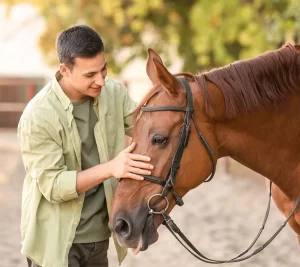
Understanding the Power of Equine Therapy

Equine therapy, also known as equine-assisted therapy, is an experiential treatment approach that incorporates horses into the recovery process. Under the guidance of trained professionals, participants engage in structured activities that may include grooming, leading, feeding, and caring for horses.

Unlike traditional counseling sessions, equine therapy focuses on learning through experience. Horses respond naturally to human emotions, body language, and energy. They do not judge, criticize, or hold expectations. Instead, they provide immediate and honest feedback that can help individuals gain deeper insight into their emotional world.

For people recovering from addiction or managing mental health challenges, these interactions often create opportunities for breakthroughs that may be difficult to achieve through words alone.

Why Emotional Healing Is Essential in Recovery

Addiction rarely develops in isolation. Many individuals struggling with substance use disorders are also coping with anxiety, depression, trauma, grief, or unresolved emotional pain. Lasting recovery requires more than abstaining from substances. It requires addressing the underlying emotional issues that may have contributed to addictive behaviors.

Emotional healing helps individuals:

  • Develop healthier coping skills
  • Improve self-awareness
  • Strengthen relationships
  • Build resilience during difficult situations
  • Create a stronger foundation for long-term recovery

Equine therapy supports these goals by providing a safe and engaging environment for emotional exploration and growth.

How Horses Help Facilitate Emotional Healing

Horses Encourage Authenticity

Horses respond to what a person is feeling rather than what they are saying. They are highly sensitive animals that notice subtle changes in posture, energy, and emotional state.

If a participant feels anxious, frustrated, or disconnected, the horse may respond accordingly. This immediate feedback creates opportunities for self-reflection and encourages emotional honesty.

Many individuals find it easier to recognize and process emotions when they can see those feelings reflected in their interactions with a horse.

Creating a Judgment-Free Connection

One of the most challenging aspects of recovery is overcoming shame and self-criticism. Horses offer acceptance without judgment. They do not care about a person’s past mistakes, struggles, or diagnosis.

This unconditional presence can be incredibly powerful for individuals who have experienced rejection, stigma, or strained relationships. The bond that develops with a horse often helps rebuild self-worth and confidence.

Teaching Trust and Vulnerability

Trust is a cornerstone of emotional healing. Addiction and mental health challenges can damage trust in oneself and in others.

Building a relationship with a horse requires patience, consistency, and vulnerability. As trust develops between horse and participant, individuals often gain confidence in their ability to form healthy relationships outside of therapy as well.

Mental Health Benefits of Equine Therapy

Equine therapy is widely valued for its ability to support emotional and psychological wellness. It complements traditional treatment approaches by providing practical opportunities to develop important life skills.

Reducing Stress and Anxiety

Spending time with horses naturally encourages mindfulness. Participants learn to focus on the present moment rather than becoming overwhelmed by worries about the future or regrets about the past.

This mindful awareness can help reduce anxiety, lower stress levels, and promote a greater sense of calm.

Improving Emotional Regulation

Many people entering treatment struggle with managing intense emotions. Horses provide immediate feedback that helps participants recognize emotional reactions and practice healthier responses.

Over time, individuals often develop stronger emotional regulation skills that support recovery and improve daily functioning.

Increasing Self-Confidence

Successfully working with a horse can create a powerful sense of accomplishment. Participants often discover strengths they did not realize they possessed, including patience, leadership, communication, and resilience.

These positive experiences contribute to greater confidence and self-esteem, both of which are important for maintaining recovery.

Equine Therapy as Part of a Holistic Recovery Journey

At Djurannons, healing is approached from a whole-person perspective. Recovery involves addressing emotional, physical, mental, and spiritual well-being.

Equine therapy works alongside a variety of treatment services, including:

Inpatient Addiction Treatment

For individuals who need intensive support, inpatient care provides a structured environment where healing can begin with professional guidance and personalized treatment.

Outpatient Recovery Programs

Outpatient programs offer flexibility while maintaining access to therapeutic support. Equine therapy can reinforce recovery skills learned during counseling and group sessions.

Mental Health Treatment

Many clients experience co-occurring mental health conditions such as anxiety, depression, or trauma. Equine therapy complements evidence-based mental health treatment by helping individuals process emotions and develop healthier coping strategies.

Faith-Based and Individualized Care

Every recovery journey is unique. Personalized treatment plans allow individuals to receive care that aligns with their goals, values, and personal experiences. Equine therapy can be a meaningful component of this individualized approach.

What to Expect During Equine Therapy Sessions

No riding experience is necessary to participate in equine therapy. In many cases, riding is not the primary focus.

Sessions may include:

  • Grooming and caring for horses
  • Leading horses through guided exercises
  • Practicing communication and trust-building skills
  • Observing herd behavior and social dynamics
  • Reflecting on therapeutic lessons with trained professionals

These activities create opportunities for emotional growth while helping participants connect recovery concepts to real-life situations.

Taking the Next Step Toward Healing

Sometimes the most meaningful lessons are not spoken. They are experienced. Equine therapy offers a unique pathway to emotional healing by creating opportunities for trust, self-awareness, confidence, and connection. Through interactions with horses, individuals can discover new ways to process emotions, overcome challenges, and build a healthier future.

At Djurannons, compassionate professionals understand that every recovery journey is different. Through holistic treatment, mental health services, inpatient and outpatient care, faith-based support, and experiential therapies like equine therapy, lasting healing is possible.

If you or someone you love is struggling with addiction or mental health challenges, reaching out for help can be the first step toward transformation. Contact Djurannons today to learn how equine therapy and personalized care can support your path to emotional healing and long-term recovery.

More Than a Ride: How Equine Therapy Helps Rebuild Confidence in Recovery

Recovery is about far more than breaking free from substance use. It is about rediscovering your sense of self, rebuilding trust, and developing the confidence needed to create a healthier future. For many individuals facing addiction and mental health challenges, confidence can be one of the first things lost and one of the hardest things to regain. That is why holistic therapies play such an important role in the healing process. Equine therapy offers a powerful opportunity for personal growth by helping individuals build self-awareness, emotional resilience, and confidence through meaningful interactions with horses. At Djurannons, equine therapy is part of a compassionate, individualized approach to recovery that supports lasting transformation.
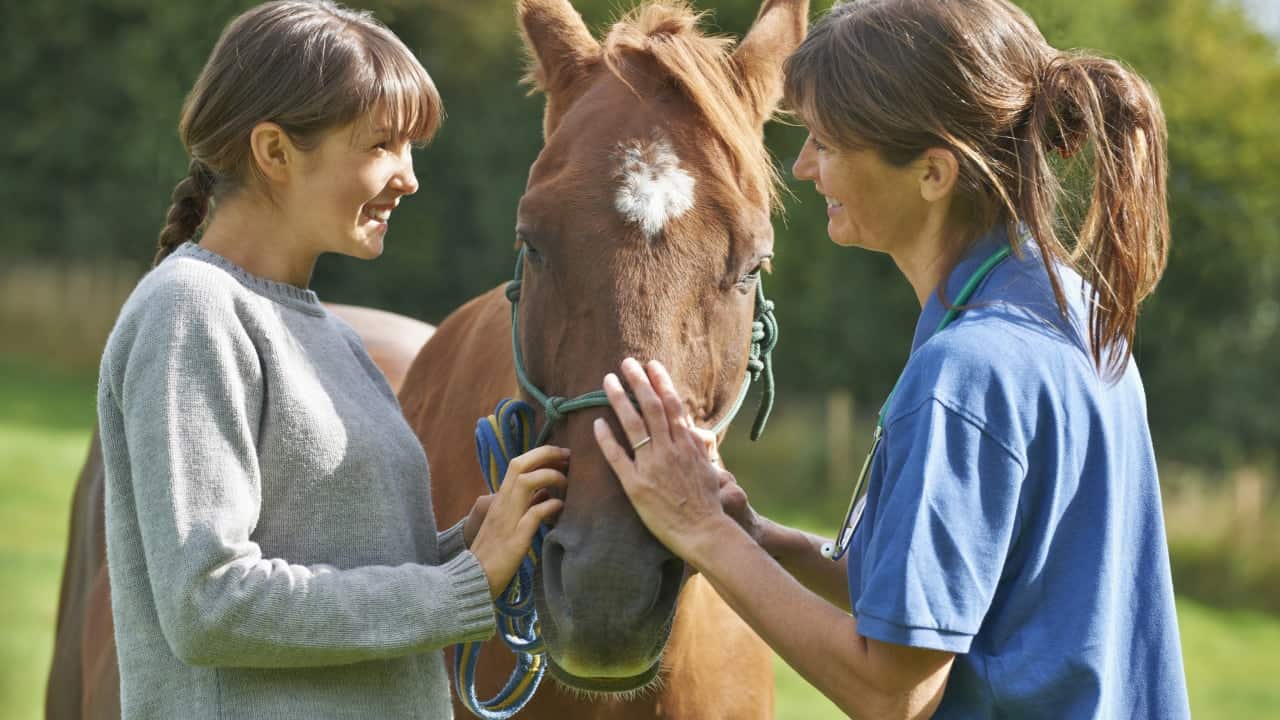
Understanding Equine Therapy

Equine therapy, also known as equine-assisted therapy, is an experiential treatment approach that involves structured interactions with horses under the guidance of trained professionals. Unlike traditional therapy sessions that rely primarily on conversation, equine therapy encourages learning through action and experience.

Participants may groom, lead, care for, and interact with horses in ways that promote self-reflection and emotional growth. Horses are highly intuitive animals that respond honestly to human emotions and behavior. Their reactions provide valuable feedback, helping participants gain deeper insight into their thoughts, feelings, and actions.

For individuals in addiction recovery and mental health treatment, these experiences can create powerful opportunities for healing.

Why Confidence Matters in Recovery

Confidence is a critical part of long-term recovery. Many people entering treatment struggle with feelings of shame, guilt, self-doubt, or failure. These emotions can make it difficult to trust themselves, take healthy risks, or believe that lasting change is possible.

Building confidence is not about becoming perfect. It is about developing a sense of self-worth and recognizing personal strengths. As confidence grows, individuals are often better equipped to:

  • Set healthy boundaries
  • Manage stress effectively
  • Make positive decisions
  • Build healthy relationships
  • Stay committed to recovery goals

Equine therapy helps strengthen these skills in a practical and meaningful way.

How Horses Help Rebuild Confidence

Creating Opportunities for Success

Recovery often involves learning new skills and facing unfamiliar situations. Horses provide a safe environment where participants can experience success through achievable challenges.

Whether leading a horse through an exercise or completing a grooming task, each accomplishment reinforces the belief that progress is possible. These small victories can have a lasting impact on self-esteem and motivation.

Encouraging Honest Self-Awareness

Horses respond to authenticity. They are not influenced by appearances, status, or words. Instead, they react to a person’s emotional state and behavior.

This honest feedback helps participants become more aware of how they communicate and interact with the world around them. Increased self-awareness is an important step toward personal growth and emotional healing.

Developing Trust and Leadership Skills

Many individuals in recovery struggle with trust. Addiction and mental health challenges can strain relationships and create feelings of isolation.

Working with horses requires patience, consistency, and clear communication. As participants learn to build trust with a horse, they often begin rebuilding trust in themselves. These experiences also strengthen leadership skills and encourage greater confidence in decision-making.

The Mental Health Benefits of Equine Therapy

Equine therapy offers benefits that extend beyond addiction recovery. It can also support overall mental wellness by helping individuals manage stress, anxiety, depression, and emotional challenges.

Reducing Anxiety Through Mindfulness

Horses live fully in the present moment. Interacting with them encourages participants to focus on what is happening right now rather than dwelling on past mistakes or future worries.

This mindfulness can help reduce anxiety and create a greater sense of calm. For individuals navigating recovery, learning to stay present is an essential coping skill.

Improving Emotional Regulation

Emotional regulation is often a challenge for those recovering from addiction or managing mental health conditions.

Because horses respond immediately to emotional cues, participants learn to recognize and manage their feelings more effectively. Over time, this can lead to healthier responses to stress, conflict, and everyday challenges.

Strengthening Resilience

Recovery is not always easy. There will be setbacks, challenges, and moments of uncertainty.

Equine therapy teaches resilience by encouraging individuals to remain patient, adaptable, and persistent. These qualities are essential for maintaining long-term recovery and emotional well-being.

Equine Therapy as Part of a Holistic Recovery Plan

At Djurannons, healing is approached from a whole-person perspective. Recovery involves addressing emotional, physical, mental, and spiritual needs.

Equine therapy works alongside a variety of treatment services, including:

Inpatient Addiction Treatment

For individuals who need intensive support, inpatient care provides a structured environment where healing can begin with professional guidance and comprehensive care.

Outpatient Recovery Programs

Outpatient treatment allows clients to continue receiving support while balancing family, work, and personal responsibilities. Equine therapy can enhance these programs by providing practical opportunities for growth and self-discovery.

Mental Health Treatment

Many individuals experience co-occurring mental health conditions such as anxiety, depression, or trauma. Equine therapy complements traditional counseling by offering a unique way to process emotions and build coping skills.

Faith-Based and Individualized Care

Every recovery journey is unique. Personalized treatment plans ensure that each individual receives the support that best aligns with their goals, values, and needs. Equine therapy can be a meaningful part of that individualized path toward healing.

What to Expect During Equine Therapy

No riding experience is required to benefit from equine therapy. In fact, many sessions focus on ground-based activities rather than riding.

Participants may:

  • Groom and care for horses
  • Lead horses through guided exercises
  • Observe herd behavior
  • Practice communication and leadership skills
  • Reflect on therapeutic lessons with trained professionals

These activities help translate insights gained during sessions into real-life recovery strategies.

Moving Forward With Confidence

Recovery is not simply about leaving addiction behind. It is about building a life that feels purposeful, healthy, and fulfilling. Equine therapy offers a unique opportunity to develop confidence, emotional awareness, and resilience through meaningful connections with horses.

At Djurannons, our commitment to holistic, faith-based, and individualized care helps clients find the tools they need for lasting recovery. Through equine therapy, mental health treatment, inpatient and outpatient programs, and compassionate support, individuals can discover strengths they may not have realized they possessed.

If you or someone you love is seeking support for addiction or mental health challenges, now is the time to take the next step. Reach out today to learn how equine therapy and personalized treatment can help you move forward with confidence, hope, and renewed purpose.

Healing Hooves: Discover How Equine Therapy Supports Emotional Recovery

Recovery from addiction and mental health challenges requires more than traditional therapy. At Djurannons, we recognize that healing is a holistic journey involving mind, body, and spirit. Equine therapy, or horse-assisted therapy, provides a unique and transformative approach. By interacting with horses in a guided, compassionate environment, individuals can explore their emotions, build trust, and develop skills that support long-term emotional recovery.
What Is Equine Therapy?

Equine therapy is a structured, experiential form of therapy where participants engage with horses through activities such as grooming, leading, and observation. Unlike traditional talk therapy, equine therapy emphasizes learning through experience and nonverbal communication. Horses are naturally sensitive to human emotions and respond to subtle changes in energy and body language, providing immediate feedback to participants. This feedback allows individuals to understand their emotional responses, practice self-regulation, and build confidence.

The Emotional Benefits of Working With Horses

Cultivating Mindfulness and Presence

Mindfulness is a crucial tool for emotional wellness and recovery. Horses live in the present moment, responding only to the energy and intentions of the person in front of them. Participants naturally learn to focus on their actions and emotional state, which reduces stress and promotes emotional clarity. Practicing mindfulness in the presence of a horse strengthens attention and patience, skills that are essential for managing triggers and maintaining sobriety.

Building Trust and Confidence

Addiction and trauma can erode trust in oneself and others. Horses respond best to calm, consistent, and confident communication. By learning to interact and guide a horse effectively, participants gain a sense of accomplishment and self-assurance. This trust-building process helps individuals restore confidence in their abilities and encourages healthier relationships with others in their lives.

Emotional Regulation and Resilience

Equine therapy provides immediate feedback on emotional states. If a participant approaches a horse with tension or anxiety, the horse may react cautiously or step back. This allows the individual to recognize emotional patterns and adjust their approach, fostering emotional regulation and resilience. Over time, these skills enhance the ability to cope with stress and reduce the likelihood of relapse.

How Equine Therapy Fits Into Holistic Recovery

At Djurannons, equine therapy is part of a comprehensive treatment plan that includes inpatient and outpatient care, counseling, group therapy, and faith-based support. This holistic model ensures that the lessons learned during equine therapy sessions are reinforced across all areas of recovery. Addressing mind, body, and spirit together strengthens resilience and supports lasting emotional health.

What to Expect in a Session

Professional facilitators guide each session to ensure safety and effectiveness. Activities may include:

  • Grooming and caring for horses to foster patience and focus
  • Leading exercises to strengthen communication and confidence
  • Observing herd behavior to gain insight into social dynamics
  • Reflective discussion connecting experiences with personal recovery goals

Each session is tailored to meet the participant’s needs, providing a safe and supportive environment for growth.

Taking the Next Step Toward Emotional Recovery

Equine therapy is more than a unique experience—it is a powerful tool for emotional healing. By fostering mindfulness, trust, and resilience, horses help individuals develop skills that carry over into daily life and support long-term recovery.

If you or a loved one are seeking compassionate, individualized care, Djurannons offers holistic support that integrates equine therapy with mental health treatment, inpatient and outpatient services, and faith-based guidance. Reach out today to begin a journey toward emotional recovery, confidence, and lasting well-being.

From Fear to Freedom: How Equine Therapy Guides Emotional Transformation

Overcoming fear is often one of the greatest challenges in recovery from addiction and mental health struggles. At Djurannons, we understand that healing requires more than traditional therapy—it requires experiences that engage the mind, body, and spirit. Equine therapy, or horse-assisted therapy, offers a unique and transformative approach. Through structured interaction with horses, individuals can confront fears, develop emotional resilience, and experience meaningful growth that leads to lasting freedom from the constraints of anxiety, trauma, and addiction.
Understanding Equine Therapy

Equine therapy is a form of experiential therapy that uses horses as active partners in the healing process. Unlike traditional talk therapy, it emphasizes hands-on learning through activities such as grooming, leading, and observing horses. These exercises encourage mindfulness, emotional regulation, and self-reflection, allowing participants to recognize patterns of behavior and responses that may have previously limited their growth.

Horses are naturally attuned to human emotions, responding to body language, energy, and intention. This responsiveness creates a mirror for participants, offering honest feedback in a safe and supportive environment. Through these interactions, individuals can confront fear, practice patience, and cultivate the skills necessary to navigate recovery with confidence.

Transforming Fear Into Strength

Building Mindfulness and Presence

Fear often disconnects individuals from the present moment, leading to stress, anxiety, and impulsive behavior. Working with horses requires focus and attentiveness, helping participants cultivate mindfulness. By concentrating on their actions, posture, and energy, individuals learn to remain present. This skill not only reduces anxiety but also strengthens coping mechanisms that are critical for long-term recovery.

Developing Emotional Resilience

Equine therapy provides immediate feedback on emotional states. A horse may hesitate or respond cautiously to tension, fear, or uncertainty. Participants learn to observe these responses and adjust their behavior, fostering emotional regulation and resilience. Over time, these experiences empower individuals to respond thoughtfully to challenges, rather than reacting impulsively or turning to harmful coping mechanisms.

Building Trust and Confidence

Rebuilding Trust With Self and Others

Addiction and trauma can erode trust, both in oneself and in relationships with others. Horses respond to consistent, calm, and confident guidance, teaching participants the value of reliability and patience. As trust grows between the participant and the horse, individuals gain confidence in their ability to form healthy connections and navigate interpersonal relationships with integrity.

Encouraging Responsibility and Accountability

Caring for and interacting with horses requires focus, consistency, and responsibility. Participants develop essential life skills such as accountability, problem-solving, and follow-through. These lessons reinforce structured routines and self-discipline, which are crucial for sustaining recovery and achieving long-term emotional well-being.

Integrating Equine Therapy Into Holistic Care

At Djurannons, equine therapy is part of a comprehensive, individualized treatment plan that includes inpatient and outpatient services, counseling, group therapy, and faith-based support. This holistic approach ensures that the insights gained from horse-assisted therapy translate into real-life strategies for mental, emotional, and spiritual wellness.

What to Expect in a Session

Equine therapy sessions are guided by trained professionals who specialize in both mental health care and equine behavior. Activities may include:

  • Grooming and caring for horses to promote focus and mindfulness
  • Leading exercises to strengthen communication and confidence
  • Observing herd dynamics to gain insight into emotional and social cues
  • Reflective discussion connecting experiences to recovery goals

Each session is tailored to the participant’s unique needs, ensuring a safe and transformative experience.

Taking the Next Step Toward Freedom

Equine therapy offers a powerful path from fear to freedom, helping individuals develop mindfulness, trust, and emotional resilience. By engaging with horses in a compassionate, structured setting, participants gain practical tools for navigating recovery and mental health challenges.

If you or a loved one are seeking holistic, personalized care, Djurannons provides professional support that combines equine therapy with mental health treatment, inpatient and outpatient services, and faith-based guidance. Reach out today to begin your journey toward emotional transformation, confidence, and lasting recovery.

Finding Strength in the Herd: How Horses Support Long-Term Mental Health

Maintaining mental health is a lifelong journey that requires self-awareness, coping skills, and meaningful support. At Djurannons, we understand that holistic approaches to recovery can complement traditional therapy, providing unique opportunities for growth and emotional resilience. Equine therapy, or horse-assisted therapy, is one such approach. By observing, interacting with, and learning from horses, individuals can develop essential life skills such as mindfulness, trust, and social connection, all of which contribute to long-term mental wellness.

Understanding Equine Therapy and Its Benefits

Equine therapy is a structured form of experiential therapy that uses horses as partners in treatment. Participants engage in hands-on activities such as grooming, leading, and observing horses in a controlled environment. These interactions encourage emotional regulation, self-reflection, and presence, helping individuals navigate challenges related to anxiety, depression, trauma, and addiction.

Horses are highly intuitive animals, responding to subtle human emotions and body language. Their immediate and honest feedback helps participants recognize patterns of behavior, identify emotional triggers, and practice healthier ways of interacting with themselves and others.

Building Mindfulness and Emotional Awareness

Being Present With Horses

Mindfulness is a cornerstone of emotional well-being. When working with horses, individuals are encouraged to focus fully on the present moment. Horses respond only to current energy and actions, which naturally guides participants to slow down, observe carefully, and engage thoughtfully. This practice helps reduce anxiety, strengthen focus, and promote emotional balance, all of which are critical in recovery and mental health management.

Developing Emotional Regulation

Equine therapy provides immediate feedback on emotional states. A horse may respond with hesitation, agitation, or calmness, reflecting the participant’s energy. Learning to adjust one’s behavior to communicate effectively with a horse fosters emotional regulation, patience, and resilience. These skills translate into everyday life, supporting long-term mental health and recovery goals.

Learning Trust and Connection

Rebuilding Trust

Trust is essential for healthy relationships and personal growth. Many individuals in recovery or managing mental health challenges struggle with self-trust and interpersonal connections. Interacting with horses requires consistency, patience, and gentle guidance. As participants learn to build trust with these animals, they strengthen their confidence in themselves and their ability to engage positively with others.

Enhancing Social Skills

Equine therapy also supports social learning. Observing herd dynamics teaches participants about communication, empathy, and collaboration. These lessons provide valuable insights into human relationships and improve interpersonal skills that are essential for emotional stability and long-term mental health.

Integrating Equine Therapy Into Holistic Care

At Djurannons, equine therapy is combined with personalized treatment plans that include inpatient and outpatient services, counseling, group therapy, and faith-based support. This integrated approach ensures that skills learned during equine therapy sessions, such as mindfulness, emotional regulation, and trust-building, are reinforced across all aspects of recovery. Addressing mind, body, and spirit together strengthens resilience and supports sustained mental wellness.

What to Expect in a Session

Sessions are guided by professionals trained in both therapeutic techniques and equine behavior. Activities may include:

  • Grooming and caring for horses to foster patience and focus

  • Leading exercises to build confidence and clear communication

  • Observing herd behavior to learn social dynamics and emotional cues

  • Reflective discussions connecting experiences with recovery and life goals

Each session is tailored to the participant’s needs, ensuring a safe, supportive, and meaningful experience.

Taking the Next Step Toward Lasting Mental Health

Horses are more than therapy partners; they are teachers that help individuals develop mindfulness, trust, and emotional resilience. Through equine therapy, participants gain practical tools to navigate mental health challenges while fostering confidence and personal growth.

If you or a loved one are seeking holistic, compassionate care, Djurannons offers personalized support that combines equine therapy with mental health treatment, inpatient and outpatient programs, and faith-based guidance. Reach out today to begin a journey toward emotional strength, lasting recovery, and mental wellness.


Word Co