
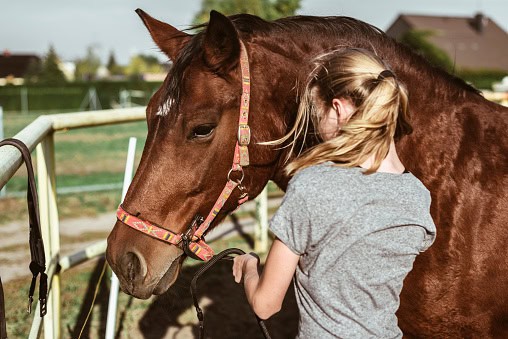
Healing from addiction and emotional distress often requires more than addressing symptoms. People may need to rebuild trust, understand difficult emotions, regain confidence, and rediscover a sense of connection with themselves and others. Equine therapy offers a unique way to support emotional wellness by bringing people into a calm, interactive environment with horses. Through guided experiences, individuals can learn about communication, boundaries, emotional regulation, patience, and self-awareness while developing skills that can support long-term recovery.
For someone struggling with addiction, anxiety, depression, trauma, or other mental health concerns, traditional talk therapy can be an important part of treatment. However, not everyone finds it easy to express everything through conversation. Equine therapy can provide another avenue for exploration. The experience of working with a horse can make emotions and behavioral patterns easier to notice, discuss, and understand.
When incorporated into a broader treatment plan, equine therapy can support a holistic approach to addiction recovery and mental health care.
What Is Equine Therapy?
Equine therapy involves guided interactions with horses as part of a therapeutic process. Depending on the program and an individual’s treatment goals, activities may include observing, grooming, leading, or interacting with horses.
It is important to understand that equine therapy is not necessarily about horseback riding. The therapeutic value can come from the relationship and interaction between the individual, the horse, and the professionals guiding the experience.
The goal is to use these interactions as opportunities for reflection and growth.
Why Horses Can Be Helpful in Therapy
Horses are highly responsive to their surroundings. Their reactions can encourage individuals to pay attention to their own body language, emotions, movements, and communication style.
This creates opportunities for greater self-awareness.
For someone who is accustomed to avoiding uncomfortable feelings through alcohol or drugs, becoming more aware of those feelings can be an important recovery skill. Instead of immediately reacting, the person can begin learning to pause, observe, and choose a healthier response.
How Equine Therapy Supports Emotional Wellness
Emotional wellness involves understanding feelings, coping with stress, maintaining healthy relationships, and responding to challenges in constructive ways. These abilities can be especially important for people recovering from addiction.
Developing Emotional Awareness
Addiction can become a way of avoiding difficult emotional experiences. Anger, grief, loneliness, fear, shame, and anxiety may become difficult to process without substances.
Equine therapy can create situations in which emotions naturally become noticeable.
An individual might feel nervous when approaching a horse or frustrated when an activity does not go as expected. With appropriate guidance, that experience can become an opportunity to explore what is happening internally.
What thoughts are coming up?
What physical sensations are present?
How does the person respond to frustration?
What happens when they slow down?
These observations can help connect everyday reactions with larger emotional patterns.
Learning Emotional Regulation
Recognizing an emotion is only the beginning. Recovery also involves learning how to respond to emotions without allowing them to control decisions.
Equine therapy can encourage this process by emphasizing patience and presence.
Creating Space Between Feelings and Actions
A strong emotion can create an urge to act immediately. In addiction recovery, that may mean reaching for a substance, withdrawing from others, or reacting impulsively during conflict.
Working with a horse can reinforce the value of slowing down.
An individual may need to pause, observe the horse’s response, adjust their approach, and try again. This process can illustrate an important recovery principle: a difficult moment does not have to determine what happens next.
There can be space between experiencing an emotion and acting on it.
That space can become increasingly valuable as someone develops healthier coping strategies.
Building Confidence Through Positive Experiences
Addiction often affects self-esteem. People may carry regret about choices they made while using substances or feel discouraged by previous attempts at recovery.
Rebuilding confidence takes time.
Small Wins Can Strengthen Recovery
Equine therapy can provide opportunities to accomplish manageable tasks. Successfully communicating with a horse, maintaining patience, following through on an activity, or responding calmly to an unexpected situation can create a genuine sense of achievement.
These experiences can help challenge negative beliefs.
Instead of thinking, “I cannot change,” a person may begin to recognize, “I handled that differently this time.”
That shift matters.
Long-term recovery is often made up of many small decisions and accomplishments. Each healthy choice can strengthen confidence and reinforce the belief that a different future is possible.
Horses, Trust, and Healthy Relationships
Relationships can suffer significantly during addiction. Substance use may contribute to secrecy, broken promises, conflict, and withdrawal. As a result, rebuilding trust can become one of the most difficult parts of recovery.
Equine therapy can provide an opportunity to explore trust and communication in a practical setting.
Understanding Boundaries
Healthy relationships require boundaries. People need to recognize when to approach, when to step back, how to communicate, and how to respect another person’s needs.
Working with horses can provide concrete experiences around these concepts.
If an individual approaches too quickly or ignores the horse’s signals, the interaction may not produce the desired result. Learning to observe and adjust can reinforce the importance of patience and respect.
These lessons can be carried into relationships with family members, friends, coworkers, and treatment professionals.
Equine Therapy as Part of Holistic Addiction Treatment
Addiction recovery is most effective when the person is considered as a whole. Substance use may be connected with emotional health, trauma, relationships, stress, physical well-being, environment, or a loss of purpose.
For that reason, holistic treatment can include multiple forms of support rather than relying on a single approach.
Individualized Care Matters
Every person’s recovery story is different. One individual may need structured inpatient treatment, while another may benefit from outpatient support that allows them to continue working or caring for family responsibilities.
Some people may also find meaning in faith-based recovery, while others may benefit from experiential approaches such as equine therapy.
An individualized treatment plan can take these differences into account.
Equine therapy should not be considered a replacement for professional addiction or mental health treatment. Instead, it can complement counselling and other evidence-informed services when it is appropriate for the individual’s needs.
Supporting Mental Health Beyond Addiction
Emotional wellness matters even when addiction is not present. Anxiety, depression, trauma-related difficulties, chronic stress, and low self-esteem can all affect a person’s quality of life.
Equine therapy may offer a different environment for exploring these concerns.
Returning to the Present Moment
Mental health challenges can make it difficult to stay grounded. Someone may spend considerable time worrying about the future or replaying painful experiences from the past.
Interaction with a horse can encourage attention to what is happening in the present.
The individual must notice the environment, their own actions, and the horse’s responses. This focus can encourage mindfulness and provide an opportunity to practise staying connected to the current moment.
That skill can be useful in everyday life, particularly when dealing with stress or emotional triggers.
What Healing Can Look Like
Healing does not always look dramatic. Sometimes it is a person recognizing a trigger before reacting. Sometimes it is asking for help instead of isolating. It may be rebuilding a damaged relationship, setting a healthy boundary, attending another treatment session, or learning to sit with an uncomfortable emotion without escaping through substance use.
Equine therapy can support these small moments of progress by creating experiences that encourage patience, awareness, communication, and responsibility.
The purpose is not to achieve perfection. It is to develop healthier patterns that can continue long after a therapy session ends.
Take the Next Step Toward Emotional Wellness
The healing presence of horses can offer a meaningful complement to addiction recovery and mental health treatment. Through carefully guided interactions, individuals may have opportunities to explore emotional awareness, confidence, communication, trust, and healthier ways of responding to stress.
However, lasting recovery requires more than one therapeutic experience. It requires appropriate support, consistency, and a treatment plan that reflects the person’s individual circumstances.
Whether someone needs inpatient care, outpatient treatment, mental health support, holistic services, faith-based care, or a combination of approaches, reaching out is an important first step.
If addiction or emotional distress has begun to interfere with your relationships, responsibilities, or sense of well-being, you do not have to wait for things to become worse before seeking support. The right treatment can help you understand what is happening, develop healthier coping skills, and begin building a life that feels more balanced and connected.
Healing can start with one honest conversation, one new experience, and one decision to ask for help.