
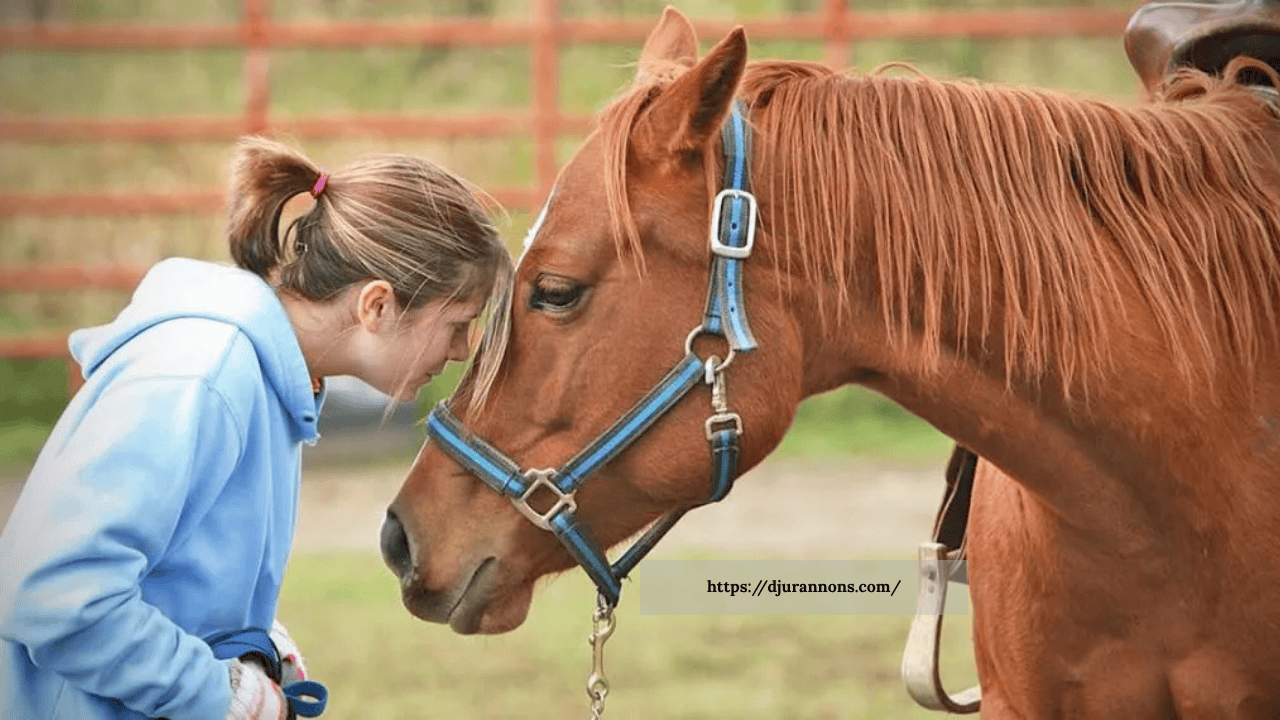
 In an age where mental health struggles are increasingly acknowledged, yet often difficult to address through traditional means, equine-assisted therapy (EAT) emerges as a powerful and unconventional healing modality. By pairing individuals with horses in therapeutic settings, EAT opens a path to emotional resilience, self-awareness, and personal growth through silent connection rather than spoken conversation. It is healing without the pressure of words, guided by the intuitive power of the horse.
The Language of Presence
Horses are masters of nonverbal communication. As prey animals, their survival instincts have sharpened their ability to detect subtle shifts in human emotion, energy, and body language. This makes them ideal therapeutic partners. In the presence of a horse, people often find themselves mirrored with startling accuracy. If someone is anxious, the horse may become restless; if they relax, the horse will too. These honest, nonjudgmental responses help individuals recognize and regulate their own emotional states in a safe, organic way.
A Therapeutic Bond Without Words
Unlike traditional talk therapy, EAT does not rely on verbal expression. This makes it particularly effective for individuals who struggle to articulate their feelings—such as trauma survivors, children, or those with autism spectrum disorders. Through activities like grooming, feeding, or leading a horse, clients begin to form bonds built on trust and mutual respect. These interactions offer a sense of connection and understanding that doesn’t require explanation.
Empowerment Through Experience
Working with horses provides opportunities for mastery and empowerment. Gaining the trust of a large, powerful animal fosters a sense of competence and agency. Tasks that may seem simple—like haltering a horse or guiding it through an obstacle course—require patience, clarity, and presence. Accomplishing these tasks helps individuals rebuild confidence, strengthen their decision-making abilities, and rediscover a sense of control in their lives.
Emotional Safety and Regulation
EAT settings, often held in serene natural environments, promote a sense of calm and emotional grounding. The horse’s rhythmic movement and soothing presence can help dysregulated nervous systems return to balance. For many, the barn or arena becomes a refuge—a place where they can be fully present without fear of judgment or emotional overload.
Scientific Backing
A growing body of research supports the benefits of equine-assisted therapy. Studies show that EAT can reduce symptoms of anxiety, depression, PTSD, and even behavioral disorders. Participants often report improvements in mood, communication, and emotional regulation after just a few sessions. The unique combination of physical activity, emotional connection, and mindful engagement with horses activates healing processes not always accessible in conventional therapy settings.
Conclusion
Equine-assisted therapy reveals that healing doesn’t always require words. In the quiet company of horses, people find understanding, strength, and solace. These silent therapists offer a mirror to our emotions and a bridge to our inner selves. Through their gentle power and unwavering presence, horses guide us toward healing—not by speaking, but by simply being. In the unspoken connection between human and horse lies a profound and transformative kind of therapy.