
 Recovery from addiction is not simply about stopping substance use. It is about rebuilding a life in which trust, connection, emotional balance, and self-respect can grow again. For many people, that process requires more than traditional conversations in a counselling room. Equine therapy offers a unique way to explore emotional healing through interaction with horses, helping individuals become more aware of their feelings, behaviours, boundaries, and relationships. The quiet presence of a horse can create opportunities to practise trust and connection in ways that feel natural, immediate, and deeply personal.
When combined with appropriate addiction recovery and mental health treatment, equine therapy can become part of a holistic approach to healing. It can complement inpatient or outpatient care while supporting individualized treatment goals and helping people develop practical skills they can carry into everyday life.
Why Trust Matters in Addiction Recovery
Addiction can affect a person’s ability to trust themselves and others. Repeated substance use may damage relationships, create secrecy, and lead to feelings of guilt or shame. Over time, someone may begin to believe that relying on other people is unsafe or that they are incapable of making healthy decisions.
Recovery requires rebuilding that trust gradually.
Learning to Be Present With a Horse
Horses respond closely to their environment. They can react to changes in body language, energy, movement, and behaviour. Because of this, interacting with a horse often encourages people to slow down and pay attention to what they are communicating without words.
That awareness can be valuable during addiction recovery.
Someone who feels anxious, frustrated, guarded, or overwhelmed may begin recognizing those emotions through their interactions with the horse. Instead of immediately reacting, they can learn to pause, observe, and consider what is happening internally.
These are skills that can also support healthier responses to cravings, stress, conflict, and emotional triggers.
Connection Can Be Part of the Healing Process
Isolation is common when someone is struggling with addiction or a mental health concern. A person may withdraw from family members, avoid social situations, or feel disconnected from their own emotions.
Equine therapy creates a different kind of relational experience.
A horse does not require someone to explain their history before engaging with them. The interaction begins in the present moment. This can make it easier for some individuals to participate without feeling pressured to immediately put difficult experiences into words.
Building Healthy Relationships
Working with horses can provide opportunities to practise patience, communication, respect, and boundaries. These qualities matter far beyond the therapy setting.
Healthy relationships require people to understand that connection is built through consistent behaviour. Trust develops when actions and intentions become reliable over time. Recovery works in much the same way.
A person may begin by learning how to approach a horse calmly. With guidance, they may learn to recognize the animal’s responses and adjust their own behaviour. These simple experiences can encourage reflection on how they approach people, handle frustration, communicate needs, and respond when something does not go according to plan.
What Horses Can Teach Us About Emotional Regulation
Emotional regulation is an important part of addiction recovery. Many people turn to substances because they have difficulty managing anxiety, sadness, anger, loneliness, trauma, or overwhelming stress.
Learning to regulate emotions does not mean eliminating difficult feelings. Instead, it means developing healthier ways to recognize and manage them.
Slowing Down Instead of Reacting
Working around horses can encourage a slower pace. Individuals may need to become aware of their breathing, movements, tone, and physical presence.
That pause can be meaningful.
In everyday life, a stressful situation can trigger an immediate reaction. Recovery involves learning that there can be space between an emotion and a decision. Developing that awareness can help a person make choices based on long-term goals rather than short-term impulses.
This principle can apply when facing cravings, interpersonal conflict, workplace pressure, or other recovery challenges.
Equine Therapy Can Support Mental Health Treatment
Addiction and mental health concerns frequently overlap. Anxiety, depression, trauma, low self-esteem, and other emotional difficulties can influence substance use, while addiction can make existing mental health challenges more difficult to manage.
For that reason, effective treatment should consider the whole person.
Equine therapy can complement broader mental health treatment by giving individuals another setting in which to explore emotions, behaviour, relationships, and personal strengths.
A Holistic Approach to Recovery
Holistic care recognizes that lasting recovery involves more than addressing substance use alone. Emotional wellness, relationships, physical health, purpose, spirituality, and daily routines can all influence a person’s ability to maintain progress.
An individualized program can bring different approaches together based on the person’s circumstances and goals.
For some individuals, this may include equine therapy alongside counselling and structured addiction treatment. Others may benefit from inpatient care that provides stability and distance from harmful environments before transitioning to outpatient support.
Faith-based care can also be meaningful for people who want their spiritual beliefs to be part of their recovery process. When treatment respects the individual’s values, goals, and personal beliefs, the recovery experience can become more relevant and sustainable.
Rebuilding Confidence Through Small Steps
Addiction can undermine confidence. A person may remember broken promises, damaged relationships, missed responsibilities, or decisions they regret. These experiences can create the belief that change is impossible.
Recovery challenges that belief one step at a time.
Progress Does Not Have to Be Perfect
Working with a horse can provide opportunities to experience progress in manageable ways. Learning how to communicate clearly, remain patient, establish boundaries, or respond calmly to an unexpected situation can create small but meaningful successes.
Those experiences matter.
Confidence often develops through action rather than simply being told to believe in yourself. When people see themselves responding differently, they can begin to recognize that change is possible.
The same principle applies throughout recovery. Attending treatment, being honest in counselling, repairing relationships, managing a difficult emotion, or asking for help can all become evidence of personal growth.
What to Expect From Equine Therapy
Equine therapy does not necessarily mean riding horses. Depending on the program and treatment goals, sessions may involve activities such as grooming, observing, leading, caring for, or interacting with horses under appropriate professional guidance.
The specific approach should always be determined by qualified professionals and tailored to the individual’s needs.
The goal is not to become an expert horse rider. The focus is on what the interaction can reveal and teach about emotional patterns, communication, trust, boundaries, and personal behaviour.
Taking the Next Step Toward Recovery
Healing from addiction requires courage, patience, and support. There is no single approach that works for everyone, which is why individualized treatment can be so important. For some people, equine therapy can offer a meaningful way to explore trust, connection, emotional regulation, and confidence while participating in a broader recovery program.
Horses cannot replace professional addiction or mental health treatment. However, their presence can provide a powerful setting for learning and reflection when equine therapy is thoughtfully integrated into a comprehensive care plan.
If addiction, anxiety, emotional distress, or another mental health concern is affecting your life, reaching out for support can be an important first step. Whether you need inpatient care, outpatient treatment, counselling, holistic support, or an individualized combination of approaches, recovery begins with recognizing that change is possible.
You do not have to rebuild your life alone. With the right support, trust can be rebuilt, meaningful connections can return, and each small step can move you closer to a healthier and more hopeful future.
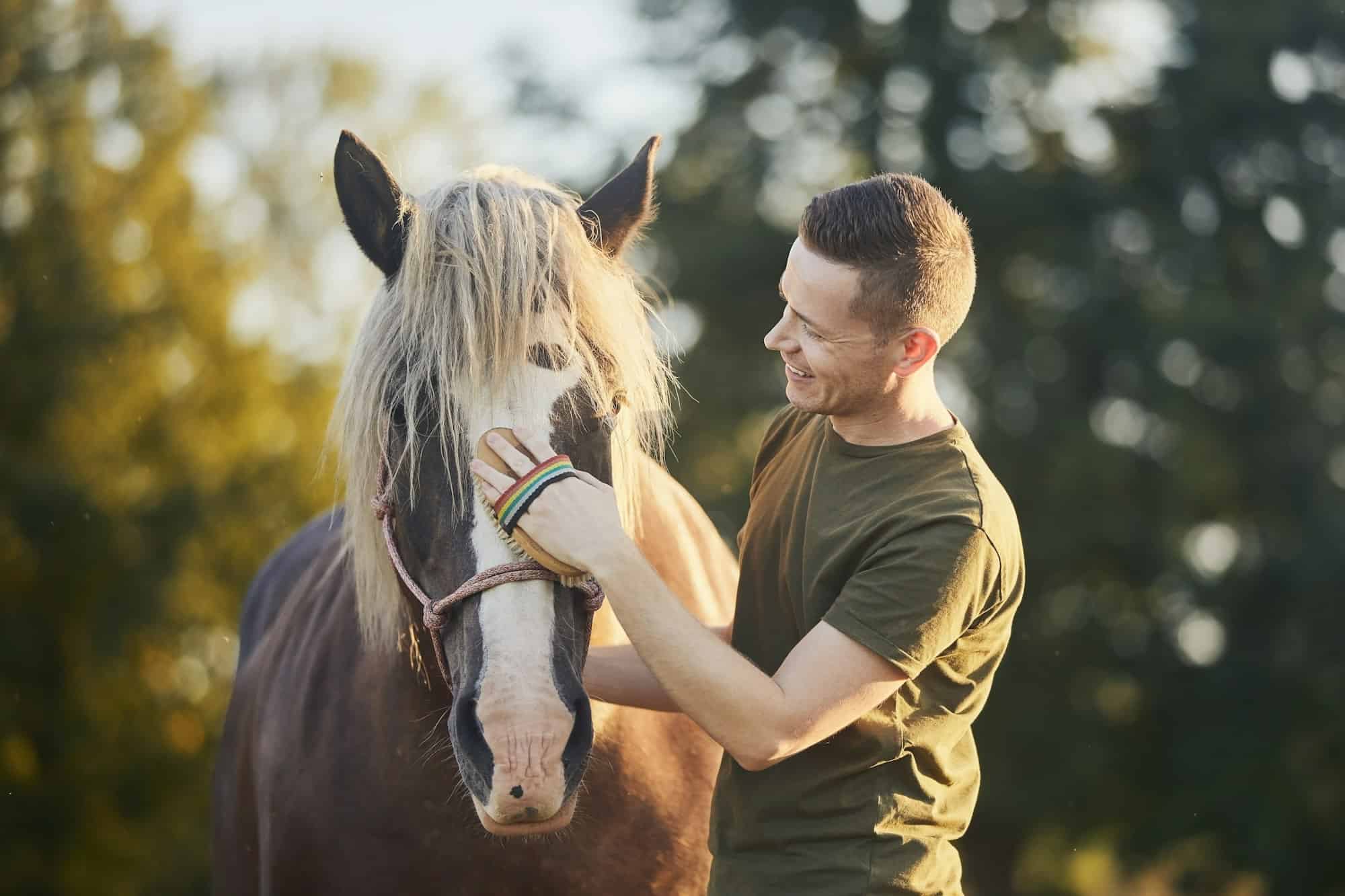 Mental health recovery does not always happen through conversation alone. For people dealing with addiction, anxiety, trauma, depression, or overwhelming emotional stress, healing may require opportunities to experience safety, connection, and confidence in new ways. Equine therapy offers one such opportunity. By bringing horses into a structured therapeutic environment, individuals can practice mindfulness, emotional regulation, communication, and trust while developing a stronger connection with themselves. As part of a holistic and individualized approach to recovery, equine therapy can complement professional mental health treatment and help people take meaningful steps toward emotional healing.
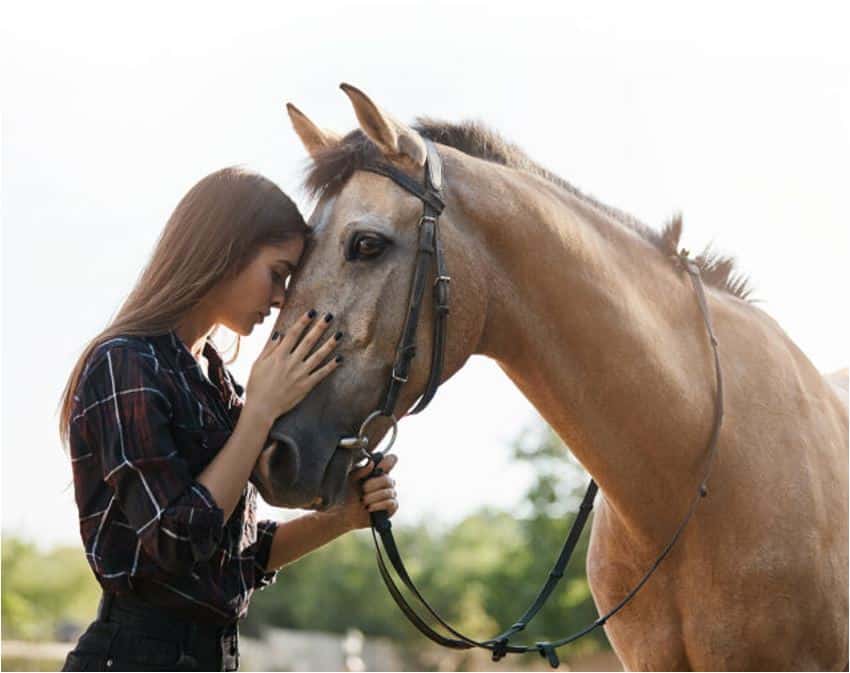 Recovery can begin at a moment when hope feels difficult to find. Addiction, anxiety, trauma, depression, and other mental health challenges can leave people feeling disconnected from themselves and the people around them. Although traditional counseling and clinical treatment remain essential parts of recovery, some people also benefit from experiences that help them reconnect with their emotions in a different way. Equine therapy offers that opportunity. Through guided interactions with horses, individuals can build confidence, develop emotional awareness, and discover practical strengths that support lasting recovery.
 Recovery is not simply about overcoming addiction. It is about creating a healthier relationship with yourself, rebuilding trust, and developing the emotional strength to move forward with confidence. While counseling, medical care, and peer support remain essential parts of treatment, holistic therapies can deepen the recovery experience by encouraging growth in ways that traditional approaches sometimes cannot. Equine therapy is one of these powerful therapeutic tools. Through guided interactions with horses, individuals gain valuable life skills, improve emotional awareness, and strengthen their ability to navigate recovery. At Djurannons, equine therapy is part of a personalized treatment approach that supports addiction recovery, mental wellness, and lasting emotional growth.
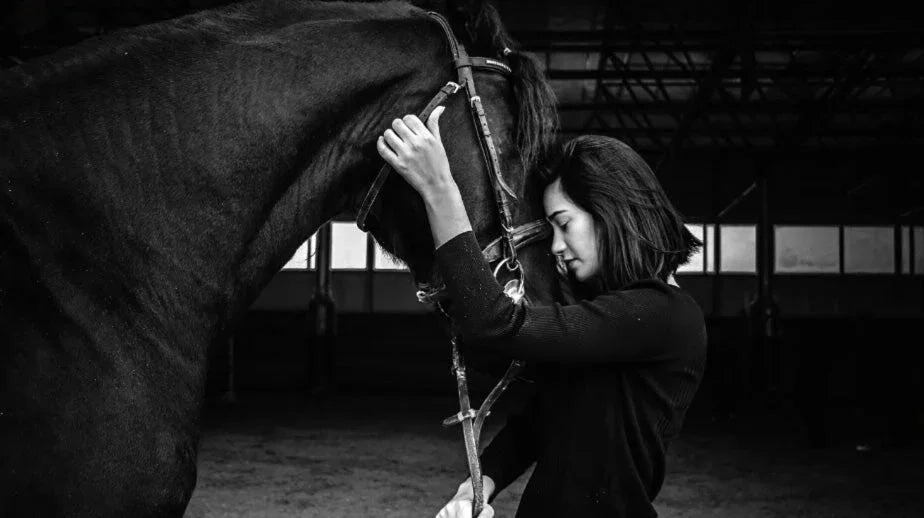 Healing from addiction and mental health challenges is about more than overcoming symptoms. It is about rebuilding trust, developing emotional resilience, and finding healthy ways to move forward. While evidence-based therapies remain the cornerstone of effective treatment, many individuals benefit from holistic approaches that encourage healing on multiple levels. Equine therapy is one of these powerful approaches. Through meaningful interactions with horses, individuals can gain valuable insights into their emotions, strengthen their confidence, and build skills that support lasting recovery. At Djurannons, equine therapy complements comprehensive addiction recovery and mental health treatment by providing a compassionate, individualized experience that promotes healing of the mind, body, and spirit.
 Healing from addiction, trauma, anxiety, or other mental health challenges is not always easy to put into words. Many individuals enter treatment carrying emotions they struggle to express, experiences they have never fully processed, or wounds that feel too overwhelming to discuss. While traditional therapy remains an essential part of recovery, healing can sometimes happen in ways that go beyond conversation. Equine therapy offers a unique opportunity to connect, reflect, and grow through meaningful interactions with horses. At Djurannons, equine therapy is one of the holistic approaches that supports emotional healing, personal growth, and long-term recovery.
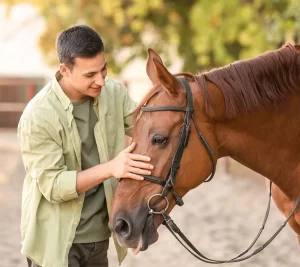 Recovery is about far more than breaking free from substance use. It is about rediscovering your sense of self, rebuilding trust, and developing the confidence needed to create a healthier future. For many individuals facing addiction and mental health challenges, confidence can be one of the first things lost and one of the hardest things to regain. That is why holistic therapies play such an important role in the healing process. Equine therapy offers a powerful opportunity for personal growth by helping individuals build self-awareness, emotional resilience, and confidence through meaningful interactions with horses. At Djurannons, equine therapy is part of a compassionate, individualized approach to recovery that supports lasting transformation.
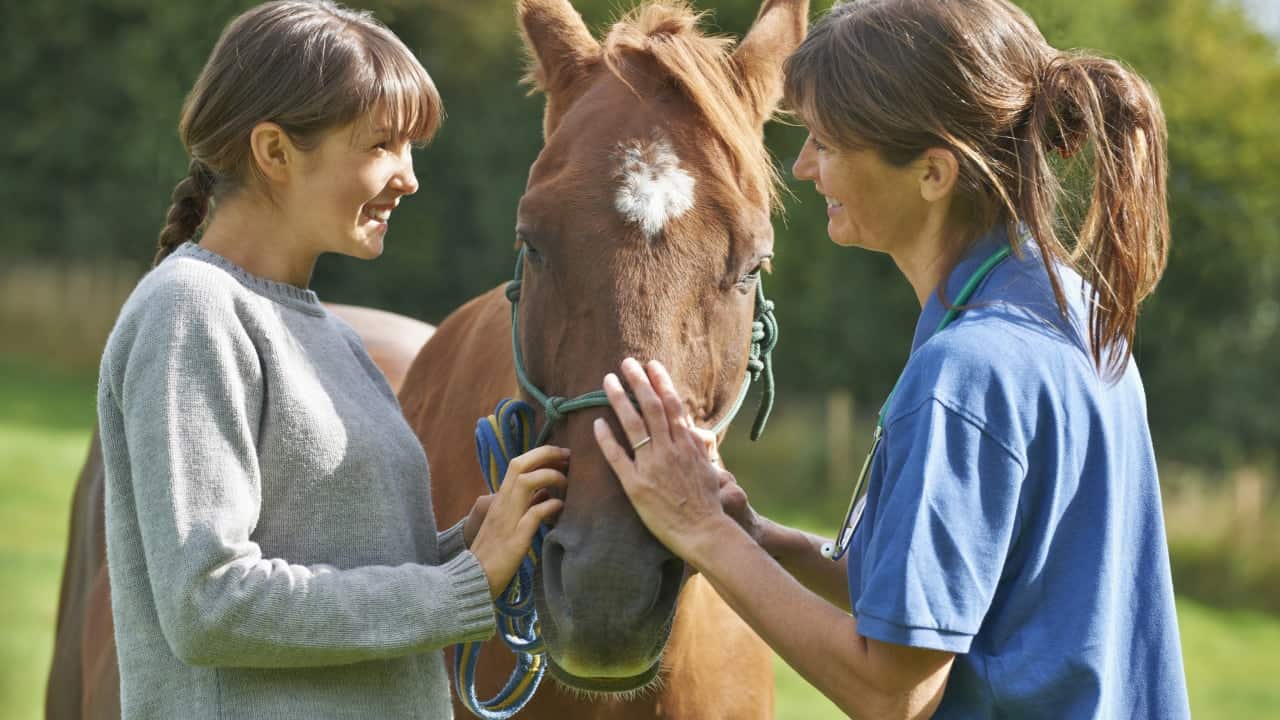 Recovery from addiction and mental health challenges requires more than traditional therapy. At Djurannons, we recognize that healing is a holistic journey involving mind, body, and spirit. Equine therapy, or horse-assisted therapy, provides a unique and transformative approach. By interacting with horses in a guided, compassionate environment, individuals can explore their emotions, build trust, and develop skills that support long-term emotional recovery.
 Overcoming fear is often one of the greatest challenges in recovery from addiction and mental health struggles. At Djurannons, we understand that healing requires more than traditional therapy—it requires experiences that engage the mind, body, and spirit. Equine therapy, or horse-assisted therapy, offers a unique and transformative approach. Through structured interaction with horses, individuals can confront fears, develop emotional resilience, and experience meaningful growth that leads to lasting freedom from the constraints of anxiety, trauma, and addiction.
 Maintaining mental health is a lifelong journey that requires self-awareness, coping skills, and meaningful support. At Djurannons, we understand that holistic approaches to recovery can complement traditional therapy, providing unique opportunities for growth and emotional resilience. Equine therapy, or horse-assisted therapy, is one such approach. By observing, interacting with, and learning from horses, individuals can develop essential life skills such as mindfulness, trust, and social connection, all of which contribute to long-term mental wellness.