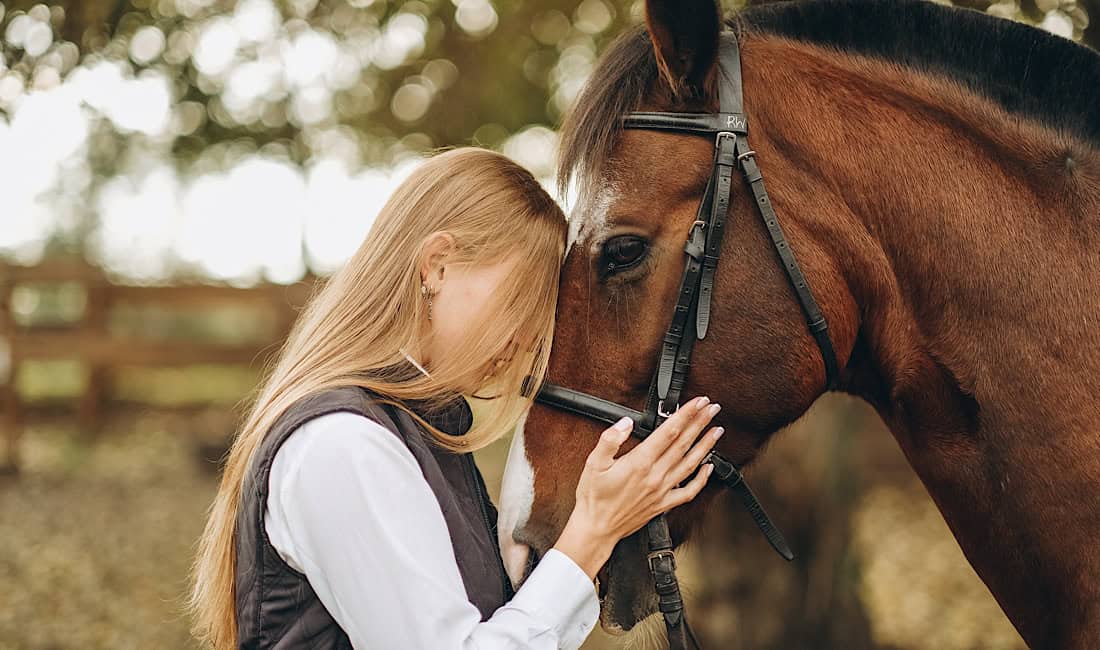
The Silent Teacher: Lessons in Mindfulness and Trust From Equine Therapy

Recovery from addiction and mental health challenges requires patience, self-awareness, and meaningful experiences that foster growth. At Djurannons, we understand that healing is a holistic process involving mind, body, and spirit. Equine therapy, often called the “silent teacher,” provides a unique approach to therapy by allowing individuals to learn important lessons in mindfulness, trust, and emotional resilience through hands-on interaction with horses. These gentle yet powerful animals offer insights that words alone cannot convey, helping participants navigate the complexities of recovery in a safe and supportive environment.

Understanding Equine Therapy

Equine therapy is a structured form of experiential therapy that incorporates horses into treatment plans. Unlike conventional talk therapy, equine therapy focuses on learning through direct interaction and observation. Activities such as grooming, leading, and observing horses provide opportunities for participants to practice presence, communication, and emotional regulation.

Horses are highly attuned to human emotions and respond to energy, body language, and intention. This sensitivity creates a reflective mirror, allowing participants to better understand their feelings and behaviors. The experience encourages self-awareness and fosters skills that are essential for managing anxiety, stress, and addiction triggers.

Lessons in Mindfulness

Being Present With Horses

Mindfulness is a key component of emotional wellness and recovery. Horses live entirely in the present moment, responding only to what they perceive in real time. When participants engage with horses, they are naturally guided to focus on their actions, breathing, and emotions. This practice cultivates presence and attention, helping reduce anxiety and enhance emotional balance.

Developing Emotional Regulation

Equine therapy provides immediate feedback on emotional states. A horse may hesitate, step back, or become restless in response to tension, frustration, or uncertainty. Participants learn to notice these reactions and adjust their own energy and behavior, fostering emotional regulation. These skills translate into daily life, equipping individuals with tools to manage stress and prevent relapse.

Building Trust and Connection

Learning to Trust Again

Addiction often erodes trust in oneself and in others. Horses offer a safe environment to rebuild trust. By observing and interacting with a horse, participants practice patience, consistency, and calm leadership. Positive results reinforce confidence and teach that relationships—both with animals and humans—are built through respect, attention, and empathy.

Enhancing Interpersonal Skills

Equine therapy encourages participants to communicate clearly and effectively, even without words. Learning to lead, guide, and respond to a horse’s cues fosters essential interpersonal skills. These lessons strengthen the ability to form and maintain healthy relationships, an important factor in sustained recovery.

Integrating Equine Therapy Into Holistic Care

At Djurannons, equine therapy is part of an individualized treatment approach. Sessions are combined with inpatient and outpatient care, counseling, group therapy, and faith-based support. This integration ensures that the emotional insights and skills gained during equine therapy sessions are reinforced in every aspect of recovery, promoting lasting change and personal growth.

What to Expect in a Session

Equine therapy sessions are led by trained professionals experienced in both mental health treatment and equine behavior. Activities may include:

  • Grooming and caring for horses to develop patience and focus

  • Leading exercises to build confidence and clear communication

  • Observing herd behavior to understand emotional dynamics and social cues

  • Reflective discussions linking experiences with recovery goals

Each session is tailored to the participant’s individual needs, ensuring safety, support, and meaningful progress.

Taking the Next Step Toward Healing

Horses are more than therapy partners—they are silent teachers that guide participants in mindfulness, trust, and emotional resilience. Through equine therapy, individuals in recovery gain practical tools to navigate addiction and mental health challenges while fostering confidence and self-awareness.

If you or a loved one are seeking compassionate, individualized care, Djurannons offers a holistic approach that combines equine therapy with mental health treatment, inpatient and outpatient programs, and faith-based support. Reach out today to begin the journey toward healing, growth, and lasting recovery.

Riding Toward Recovery: The Role of Horses in Addiction Healing

Recovery from addiction is a journey that challenges the mind, body, and spirit. At Djurannons, we understand that healing requires more than traditional therapy alone. Holistic and experiential approaches can provide meaningful opportunities for growth, self-awareness, and emotional regulation. Equine therapy, or horse-assisted therapy, is one such approach. By interacting with horses in a structured and compassionate environment, individuals in recovery can develop trust, mindfulness, and confidence, all of which are essential for long-term healing.
Understanding Equine Therapy in Addiction Treatment

Equine therapy is a form of experiential therapy where participants engage in activities such as grooming, leading, and observing horses. Unlike conventional talk therapy, equine therapy emphasizes hands-on learning and nonverbal communication. Horses are naturally sensitive to human energy, posture, and intention. Their responses provide immediate feedback, allowing participants to gain insights into their emotions, behaviors, and patterns that may contribute to addiction.

Incorporating equine therapy into addiction treatment helps individuals explore emotions safely, develop healthy coping strategies, and strengthen skills that support sobriety. At Djurannons, these sessions are combined with comprehensive mental health services, inpatient and outpatient care, and faith-based support for a truly holistic approach.

How Horses Support Addiction Healing

Developing Emotional Awareness

Addiction often suppresses emotions or creates difficulty in expressing them constructively. Horses respond to emotional cues in real time, reflecting back tension, anxiety, or calmness. This immediate feedback helps participants recognize and understand their emotions, encouraging self-awareness and healthy emotional regulation. Over time, these skills directly support recovery by helping individuals identify triggers and respond to stress without resorting to substance use.

Building Trust and Confidence

Trust is a central component of healing, both in oneself and in relationships with others. Horses require consistent, calm, and patient interaction. By learning to communicate effectively and guide a horse, participants experience tangible results, which builds confidence and a sense of competence. These lessons translate to interpersonal relationships, promoting healthier social connections and reinforcing the recovery process.

Encouraging Responsibility and Routine

Caring for a horse involves accountability, consistency, and focus. Participants in equine therapy practice routines that promote discipline and responsibility. These skills support long-term sobriety by reinforcing structured habits, personal accountability, and follow-through—core principles of successful recovery.

Integrating Equine Therapy with Holistic Care

At Djurannons, equine therapy is not a standalone activity. It is integrated into individualized treatment plans that include counseling, group therapy, inpatient and outpatient services, and faith-based care. This holistic model addresses mind, body, and spirit, ensuring that the lessons learned through horse-assisted therapy carry over into daily life. The combination of experiential therapy and professional guidance provides a safe and effective environment for personal growth and lasting change.

What to Expect in a Session

Sessions are guided by trained professionals experienced in both therapy and equine behavior. Activities may include:

  • Grooming and feeding horses to promote mindfulness and patience

  • Leading exercises to strengthen communication and confidence

  • Observing herd behavior to gain insight into social and emotional dynamics

  • Reflective discussion connecting experiences to recovery and life goals

Each session is tailored to the participant’s needs, ensuring safety, support, and measurable progress.

Taking the Next Step Toward Recovery

Equine therapy offers a unique, compassionate approach to addiction healing. By fostering emotional awareness, trust, and responsibility, horses help individuals develop the tools necessary for long-term recovery and personal growth.

If you or a loved one are seeking individualized, holistic support for addiction recovery, Djurannons provides professional care that combines equine therapy with mental health services, inpatient and outpatient treatment, and faith-based guidance. Reach out today to begin the journey toward healing, confidence, and lasting transformation.

Healing Hooves: How Equine Therapy Transforms Emotional and Mental Wellness

Healing from addiction and mental health challenges requires more than traditional therapy alone. At Djurannons, we recognize that recovery is a deeply personal journey, and holistic approaches can provide transformative support. Equine therapy, or horse-assisted therapy, is one such approach. By interacting with horses in a structured, compassionate setting, individuals gain unique opportunities to rebuild trust, enhance mindfulness, and strengthen emotional resilience. This therapy offers a tangible path toward lasting mental and emotional wellness.
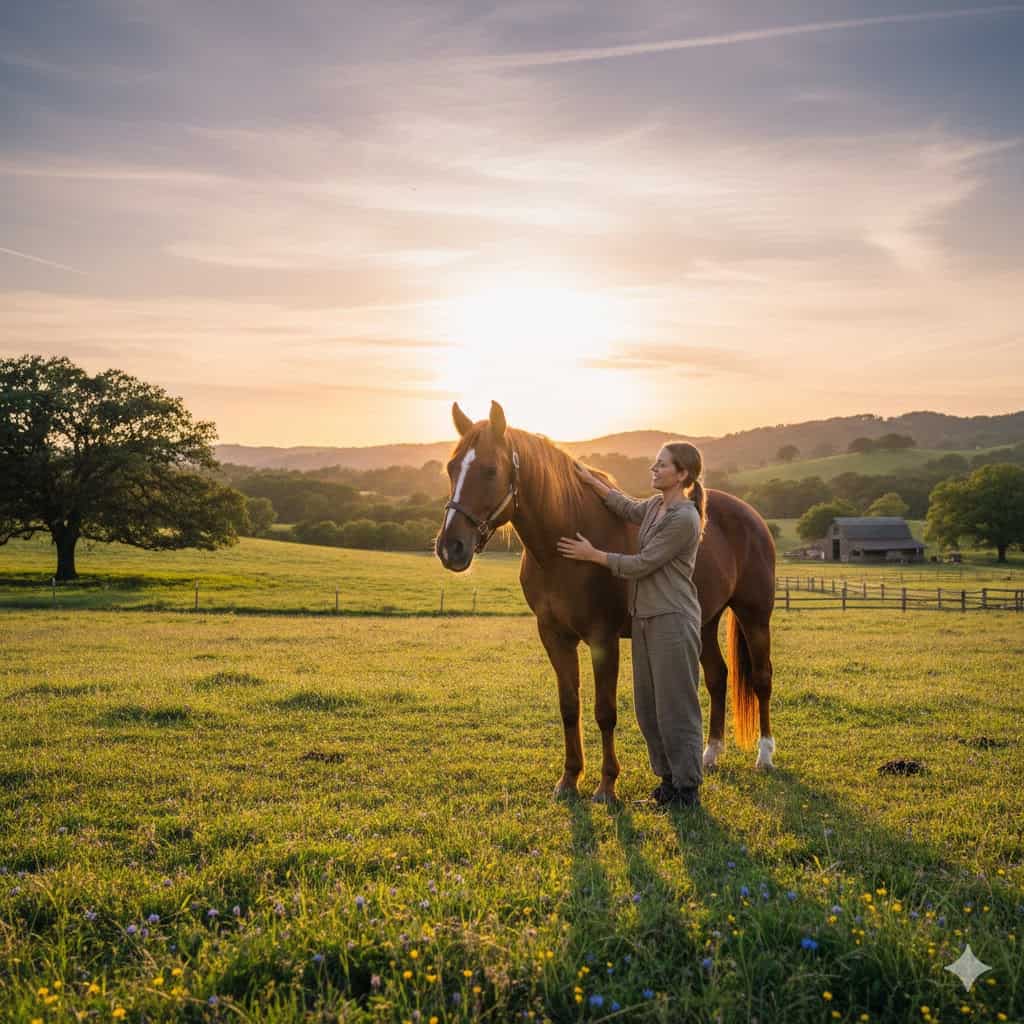
Understanding Equine Therapy

Equine therapy is a form of experiential therapy that incorporates guided interaction with horses as part of a broader treatment plan. Unlike talk therapy alone, equine therapy emphasizes learning through experience. Participants engage in activities such as grooming, leading, and observing horses, which helps them practice self-awareness, patience, and emotional regulation.

Horses are highly attuned to human emotions. They respond to body language, energy, and intention rather than words alone. This natural responsiveness allows participants to see the impact of their behavior and practice healthier coping strategies in a safe, nonjudgmental environment.

Emotional and Mental Benefits of Working with Horses

Building Mindfulness and Presence

One of the most immediate benefits of equine therapy is the cultivation of mindfulness. Horses exist in the present moment, responding to what they feel in real time. Participants quickly learn to focus on their actions, energy, and emotional state, which can reduce stress, calm anxiety, and promote emotional balance.

Practicing mindfulness in the presence of a horse helps individuals strengthen their attention and presence. These skills are invaluable for managing cravings, navigating triggers, and maintaining long-term recovery.

Developing Trust and Empathy

Addiction and mental health challenges can often erode trust in oneself and in others. Horses respond to consistency, patience, and calm leadership. By learning to communicate effectively and build trust with a horse, participants develop empathy, emotional insight, and confidence in their relationships. This trust extends beyond therapy sessions, improving personal interactions and support networks during recovery.

Encouraging Responsibility and Routine

Caring for a horse requires dedication, focus, and consistency. Participants who engage in equine therapy learn valuable life skills such as accountability, patience, and problem-solving. These skills directly reinforce the structure and routines that are critical to maintaining sobriety and emotional wellness.

Integrating Equine Therapy Into Holistic Care

At Djurannons, equine therapy is part of a comprehensive, individualized treatment approach. This includes inpatient and outpatient care, counseling, group therapy, and faith-based support. By combining equine-assisted activities with professional mental health care, participants address the mind, body, and spirit simultaneously.

This holistic model ensures that lessons learned with horses translate into lasting personal growth and improved coping strategies in everyday life.

What to Expect During a Session

Sessions are led by trained professionals who understand both therapeutic principles and horse behavior. Activities may include:

  • Grooming and caring for horses to promote mindfulness and patience

  • Leading exercises to practice clear communication and confidence

  • Observing herd behavior to gain insight into social and emotional dynamics

  • Reflective discussion connecting experiences with personal recovery goals

Each session is customized to meet the unique needs of the participant, providing a safe and supportive environment for emotional and mental growth.

Taking the Next Step Toward Wellness

Equine therapy provides a powerful, hands-on method for improving emotional and mental wellness. By fostering mindfulness, trust, and responsibility, horses help individuals develop the skills necessary for long-term recovery and overall well-being.

If you or a loved one are ready to explore holistic, individualized support, Djurannons offers compassionate care that integrates equine therapy with mental health treatment, inpatient and outpatient services, and faith-based guidance. Take the first step toward transformation and reach out to Djurannons today. Healing is possible, and it begins with presence, patience, and the guidance of caring professionals.

Finding Balance: How Horses Support Mindfulness, Trust, and Long‑Term Recovery

Recovery from addiction and mental health challenges is not a straight path. It requires consistent effort, self-awareness, and support from trusted professionals. At Djurannons, we recognize that holistic approaches can enhance traditional treatment methods, helping individuals achieve long-term balance and wellness. Equine therapy is one such approach that provides a unique combination of mindfulness, trust-building, and personal growth. Interacting with horses can strengthen emotional regulation, encourage presence, and support the development of skills essential for lasting recovery.
The Role of Equine Therapy in Recovery

Equine therapy, also known as horse-assisted therapy, involves structured interactions with horses as part of a comprehensive treatment plan. Unlike traditional therapy alone, equine therapy emphasizes experiential learning. Participants engage in grooming, leading, and observing horses to improve self-awareness, emotional control, and interpersonal communication.

Horses are highly sensitive to human emotions. They mirror energy, mood, and intention, providing immediate feedback that is both honest and nonjudgmental. This responsiveness allows clients to better understand themselves and practice behaviors that support mental health and sobriety.

Cultivating Mindfulness Through Equine Interaction

Being Present in the Moment

Mindfulness is a critical skill in addiction recovery. Many individuals struggle with intrusive thoughts, stress, or cravings that make it difficult to stay grounded. Working with horses requires full attention. The animals respond only to present actions, encouraging participants to slow down, focus, and experience the moment fully.

This practice of presence helps reduce anxiety, increase awareness of emotional triggers, and develop the ability to respond thoughtfully rather than react impulsively.

Strengthening Emotional Regulation

Equine therapy sessions often reveal patterns of tension, fear, or avoidance. Horses respond naturally to these signals, providing feedback that encourages calmness, patience, and emotional control. By learning to regulate responses around horses, clients can apply the same strategies in daily life, enhancing coping skills and reducing stress.

Building Trust and Connection

Trust in Recovery and Relationships

Addiction and trauma can erode trust in oneself and others. Horses teach participants how to build trust gradually and authentically. By observing herd dynamics and engaging in consistent, gentle leadership, clients learn how their actions impact relationships.

Experiencing success with a horse boosts confidence and reinforces the ability to form healthy, trusting connections with people, which is essential for long-term recovery.

Encouraging Responsibility and Accountability

Caring for a horse requires consistency, attention, and follow-through. Participants learn to set boundaries, maintain routines, and take responsibility for their actions. These lessons strengthen self-discipline and accountability, supporting progress in both mental health and addiction treatment.

Integrating Equine Therapy with Holistic Care

At Djurannons, equine therapy is integrated into individualized care plans that include inpatient and outpatient services, counseling, group therapy, and faith-based support. This comprehensive approach ensures that the skills learned through interaction with horses are reinforced across every aspect of recovery. Participants benefit from a treatment environment that addresses mind, body, and spirit, enhancing resilience and long-term wellness.

What to Expect During Equine Therapy Sessions

Sessions are guided by professionals trained in both therapeutic principles and equine behavior. Activities may include:

  • Grooming and feeding horses to practice patience and focus

  • Leading exercises to strengthen confidence and communication

  • Observing herd behavior to develop insight into social dynamics

  • Reflective discussion connecting experiences to personal recovery goals

Each session is tailored to individual needs, ensuring a safe, supportive environment for growth.

Taking the Next Step Toward Balance and Healing

Equine therapy offers a powerful complement to traditional addiction and mental health treatment. By cultivating mindfulness, trust, and responsibility, individuals gain tools that support long-term recovery and emotional well-being.

If you or a loved one are seeking a compassionate, personalized approach to recovery, Djurannons provides holistic care that combines equine therapy with mental health services, inpatient and outpatient treatment, and faith-based guidance. Reach out today to begin a journey toward balance, self-discovery, and lasting healing.

Presence and Progress: What Happens When You Meet a Horse in Therapy

Healing from addiction or mental health challenges is often a journey that requires more than traditional therapy alone. At Djurannons, we understand that recovery is a deeply personal process that benefits from innovative approaches. One such approach is equine therapy, where interaction with horses provides a unique opportunity for self-reflection, emotional growth, and practical skill-building. Meeting a horse in therapy is not just about learning animal care; it is about experiencing presence, building trust, and making meaningful progress toward lasting recovery.
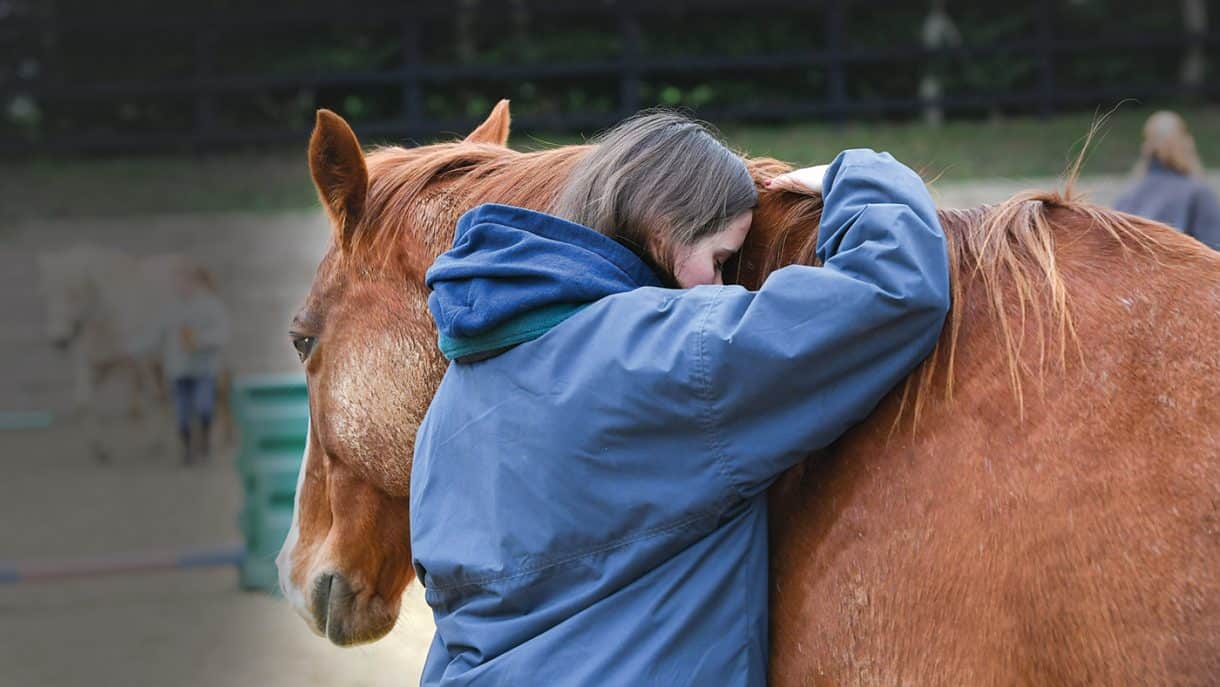
What Is Equine Therapy?

Equine therapy is a structured form of therapy that uses horses as partners in the healing process. Unlike conventional talk therapy, it emphasizes experiential learning. Participants engage in activities such as grooming, leading, and observing horses, allowing them to practice mindfulness, emotional regulation, and interpersonal skills.

Horses are highly attuned to human emotions. They respond to energy, posture, and intent, providing immediate feedback in ways that are both natural and nonjudgmental. For individuals struggling with anxiety, depression, trauma, or addiction, this interaction can reveal patterns of behavior, foster self-awareness, and support emotional growth.

The Role of Presence in Healing

Developing Mindfulness and Emotional Awareness

When you meet a horse in therapy, you are encouraged to be fully present. Horses do not respond to words alone. They react to your energy, body language, and emotional state. This creates a space where you can observe your thoughts and feelings without judgment. Practicing this level of mindfulness strengthens emotional awareness, which is crucial for managing cravings, reducing anxiety, and navigating the recovery journey.

Building Trust and Connection

Trust is a core component of recovery. Many individuals in treatment have experienced broken relationships or difficulty relying on others. Horses teach trust through consistent interaction and clear communication. When a horse responds positively to calm and confident guidance, it reinforces the participant’s ability to lead, follow through, and connect in meaningful ways.

Encouraging Patience and Self-Compassion

Recovery requires patience and self-compassion. Horses mirror human emotions and can become anxious or hesitant when met with tension or frustration. Learning to approach a horse calmly and compassionately helps participants practice patience with themselves. These lessons naturally translate to other areas of life, including relationships, personal goals, and emotional regulation.

How Equine Therapy Supports Addiction Recovery

Equine therapy complements the broader addiction recovery process in several ways:

  • Promoting Responsibility and Routine: Caring for a horse involves consistency and accountability, skills that support long-term sobriety.

  • Enhancing Communication Skills: Horses respond to nonverbal cues, helping participants improve clarity and confidence in expressing themselves.

  • Providing Nonjudgmental Support: Horses offer unconditional presence, creating a safe environment for exploring emotions and practicing coping strategies.

At Djurannons, equine therapy is integrated into individualized care plans alongside inpatient and outpatient treatment, counseling, and holistic support. This combination ensures that progress made with horses is reinforced in other aspects of recovery.

What to Expect in a Session

A typical equine therapy session includes activities designed to foster growth, self-reflection, and confidence:

  • Grooming and caring for the horse

  • Guided walking and obstacle exercises

  • Observing herd behavior to learn emotional cues

  • Reflection and discussion connecting experiences to personal goals

Each session is tailored to the participant’s unique needs, ensuring a safe and supportive environment for progress.

Moving Forward with Presence and Progress

Meeting a horse in therapy is more than a new experience. It is an opportunity to reconnect with yourself, build trust, and practice emotional regulation in a compassionate setting. Equine therapy allows you to make tangible progress in recovery while gaining insights that extend beyond the session.

If you or a loved one are seeking holistic, individualized support for addiction recovery or mental health, Djurannons is here to help. Our team combines equine therapy with comprehensive treatment options, including inpatient and outpatient care, counseling, and faith-based guidance. Take the next step toward lasting healing and reach out to Djurannons today.

From Anxiety to Confidence: Real Ways Equine Therapy Transforms Emotional Health

Anxiety can quietly shape every part of life, from relationships and work to decision making and self-worth. For individuals facing addiction or mental health challenges, anxiety often exists alongside fear, shame, and a loss of confidence. At Djurannons, we understand that true healing requires more than symptom management. It requires meaningful experiences that rebuild trust, emotional awareness, and inner strength. Equine therapy offers a powerful, hands-on path from anxiety to confidence by helping individuals reconnect with themselves in a calm, supportive, and nonjudgmental environment.
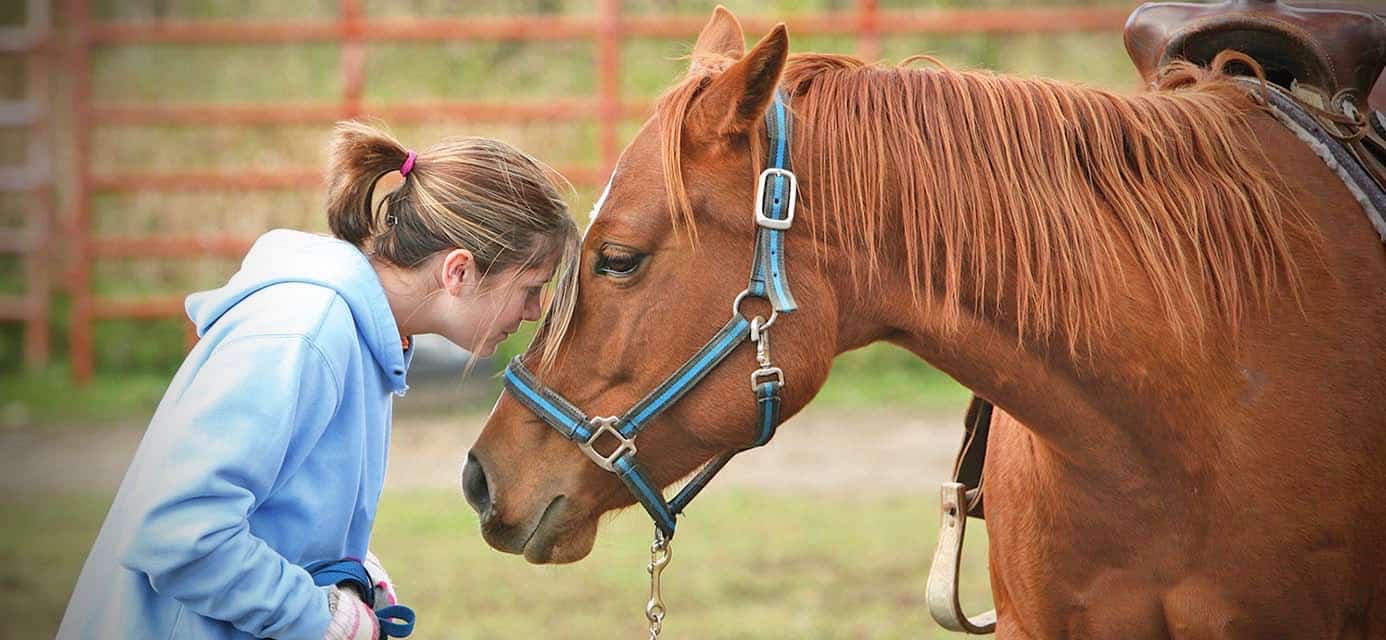
Understanding Equine Therapy and Emotional Health

Equine therapy is a therapeutic approach that involves guided interaction with horses as part of a structured treatment plan. Unlike traditional talk therapy alone, equine therapy focuses on experiential learning. Clients engage in activities such as grooming, leading, and observing horses, which naturally encourages mindfulness and emotional regulation.

Horses are highly attuned to human behavior and emotional states. They respond to body language, energy, and intention rather than words. This creates an honest mirror for individuals who struggle with anxiety, addiction, or emotional disconnection. Through these interactions, clients gain insight into their internal experiences in a way that feels safe and grounding.

Why Anxiety Is Common in Addiction and Recovery

Anxiety frequently plays a central role in both active addiction and early recovery. Many individuals turn to substances as a way to cope with overwhelming emotions, fear of failure, or unresolved trauma. When substances are removed, anxiety can feel even more intense.

At Djurannons, we address anxiety as part of the whole person, not as an isolated issue. Our holistic and faith-based approach recognizes the connection between emotional health, mental clarity, and spiritual well-being. Equine therapy supports this process by offering real-world experiences that help clients practice calm, focus, and emotional control.

How Equine Therapy Builds Confidence Step by Step

Learning Emotional Awareness Without Judgment

Anxiety often disconnects people from their emotions or causes them to overanalyze every feeling. Horses respond in the moment, without judgment or expectation. When a client feels anxious, the horse may become hesitant or disengaged. When the client slows down and becomes more grounded, the horse responds positively.

This feedback helps individuals recognize their emotional state and learn how to regulate it. Over time, this awareness builds confidence in managing emotions both in therapy and in daily life.

Developing Trust Through Consistent Interaction

Confidence grows when trust is rebuilt. Many individuals in recovery struggle with trusting themselves or others due to past experiences. Working with horses requires patience, consistency, and clear communication. Trust is earned through calm leadership and presence.

As clients experience success in building a relationship with a horse, they begin to believe in their ability to form healthy connections. This sense of accomplishment directly supports emotional healing and self-esteem.

Practicing Boundaries and Assertiveness

Anxiety often makes it difficult to set boundaries or express needs. Horses respond best to clear, confident guidance. In equine therapy sessions, clients practice assertive communication through posture, movement, and intention.

These skills translate into real-life situations, helping individuals feel more confident in relationships, recovery settings, and personal decision making.

Supporting Mental Health Through Holistic Care

Equine therapy at Djurannons is integrated into comprehensive treatment plans that include mental health counseling, addiction recovery services, and both inpatient and outpatient care. Each plan is individualized to meet the emotional, physical, and spiritual needs of the client.

The combination of therapy, faith-based support, and experiential learning helps reduce anxiety while strengthening resilience. Clients often report improved mood, greater emotional balance, and a renewed sense of purpose as they progress through treatment.

What to Expect in an Equine Therapy Session

Equine therapy sessions are guided by trained professionals who understand both therapeutic goals and horse behavior. Sessions may include:

  • Grooming and caring for the horse

  • Leading exercises that focus on communication and calm leadership

  • Observing herd behavior to learn emotional awareness

  • Reflection and discussion that connects experiences to recovery goals

Each session is designed to support emotional growth while respecting the comfort level and needs of the individual.

Taking the Next Step Toward Confidence and Healing

Anxiety does not have to define your future. Through equine therapy, individuals discover practical, meaningful ways to build confidence, manage emotions, and reconnect with themselves. Healing happens through experience, not pressure, and horses provide a steady, grounding presence throughout the process.

If you or a loved one is seeking compassionate, personalized care, Djurannons is here to help. Our team offers holistic addiction recovery and mental health treatment that honors each individual’s journey. Reach out today to learn how equine therapy and comprehensive support can help you move from anxiety to confidence and toward lasting recovery.

Hooves & Healing: Why Horses Are Powerful Partners in Addiction Recovery

Recovering from addiction is a journey that challenges the mind, body, and spirit. At Djurannons, we recognize that healing requires more than conventional treatment methods. That is why innovative approaches like equine therapy play an essential role in recovery. Horses offer a unique, non-judgmental presence that helps individuals reconnect with their emotions, rebuild trust, and develop the coping skills necessary for long-term sobriety. In this article, we explore how horses become powerful partners in addiction recovery.
Understanding Equine Therapy

Equine therapy is a form of experiential therapy that incorporates structured interactions with horses into a holistic treatment plan. Unlike traditional talk therapy, equine therapy emphasizes learning through experience. Participants engage in activities such as grooming, leading, and observing horses, allowing them to practice mindfulness, communication, and emotional regulation.

Horses are naturally sensitive to human emotions. Their responses can reveal patterns of behavior, provide immediate feedback, and encourage self-awareness. For individuals in recovery, this interaction creates a safe space to explore feelings and practice new ways of relating to themselves and others.

How Horses Support Addiction Recovery

Healing from addiction involves more than abstaining from substances. It requires understanding underlying emotional struggles, developing healthy coping mechanisms, and rebuilding relationships. Equine therapy addresses these needs in several key ways.

Building Emotional Awareness

Many people in recovery struggle to identify or express emotions effectively. Horses respond to energy, body language, and tone, providing immediate feedback. This interaction helps participants recognize emotional triggers and learn how to manage feelings constructively, which is essential in preventing relapse.

Developing Trust and Connection

Addiction can erode trust in oneself and in others. Equine therapy offers a gentle way to rebuild confidence in relationships. Horses provide unconditional acceptance and nonverbal communication that encourages empathy, patience, and authentic connection, skills that are vital for rebuilding personal and social relationships during recovery.

Promoting Responsibility and Routine

Caring for a horse requires consistency, attention, and accountability. Participants in equine therapy learn to set goals, follow routines, and take responsibility for their actions. These practices translate into daily life, reinforcing habits that support long-term sobriety and mental wellness.

Mental Health Benefits Beyond Recovery

Equine therapy is also highly effective for improving mental health. Interaction with horses has been shown to reduce anxiety, enhance mood, and increase self-confidence. The physical activity involved, such as walking or grooming, contributes to overall well-being while fostering mindfulness and stress reduction.

At Djurannons, we integrate equine therapy into a comprehensive, holistic, and faith-based approach. Our individualized care plans combine therapy, counseling, group sessions, and equine-assisted activities to address the mind, body, and spirit. This multi-layered approach ensures that healing is deep, lasting, and personalized.

What to Expect in Equine Therapy Sessions

Sessions are led by trained professionals experienced in both equine behavior and therapy techniques. Activities may include:

  • Grooming and feeding the horse

  • Guided walking and obstacle exercises

  • Observing herd dynamics and learning nonverbal communication

  • Reflection and discussion to connect experiences to personal growth

Each session is tailored to the participant’s needs, providing a safe, supportive environment where meaningful progress is made.

Taking the Next Step Toward Healing

Horses have a remarkable ability to teach patience, trust, and self-awareness. Through equine therapy, individuals in addiction recovery gain tools that go beyond traditional methods, supporting emotional growth and long-term healing.

If you or a loved one is ready to explore holistic and compassionate care, reach out to Djurannons today. Our dedicated team provides individualized support that combines equine therapy with mental health treatment, inpatient and outpatient care, and faith-based guidance. Recovery is possible, and it begins with a single step toward healing and transformation.

Beyond Words: How Equine Therapy Helps You Heal Inside and Out

Healing from addiction or mental health challenges is a journey that requires more than traditional therapy alone. At Djurannons, we understand that each person’s path to recovery is unique, and innovative approaches like equine therapy can provide profound benefits. Equine therapy, also known as horse-assisted therapy, offers a powerful combination of emotional support, physical activity, and personal growth that goes beyond words. In this article, we explore how connecting with horses can help you heal inside and out.
What Is Equine Therapy?

Equine therapy is a specialized form of therapy that involves interacting with horses in a structured, supportive environment. Unlike conventional talk therapy, equine therapy focuses on experiential learning, emotional expression, and building trust. Participants engage in activities such as grooming, leading, and observing horses, which naturally promote self-awareness, mindfulness, and emotional regulation.

This type of therapy is particularly effective for individuals struggling with addiction, anxiety, depression, or trauma. Horses are highly intuitive animals, responding to human emotions in real time. This responsiveness allows individuals to see the impact of their behavior, practice empathy, and develop healthy coping strategies.

How Equine Therapy Supports Addiction Recovery

Addiction recovery is more than abstaining from substances. It involves addressing underlying emotional issues, rebuilding self-esteem, and learning to navigate life with new coping skills. Equine therapy contributes to recovery in several ways:

Building Emotional Awareness

Horses provide immediate feedback to emotional states, helping participants recognize feelings they might not fully understand or express. For someone in recovery, this awareness is essential for identifying triggers and managing cravings.

Developing Trust and Connection

Many individuals in addiction recovery have experienced broken relationships or difficulty trusting others. Interacting with horses fosters patience, empathy, and trust, offering a safe way to rebuild interpersonal skills that transfer to human relationships.

Encouraging Responsibility and Routine

Caring for a horse requires consistency, attention, and responsibility. These practices reinforce routines that support long-term sobriety and mental wellness, including accountability, focus, and follow-through.

Benefits for Mental Health and Holistic Healing

Equine therapy is not only effective for addiction recovery; it also supports overall mental health. The calming presence of horses encourages mindfulness and stress reduction, while physical interaction improves motor skills and coordination. Individuals report reduced anxiety, improved mood, and increased confidence after participating in equine-assisted sessions.

Additionally, the holistic and faith-based approach at Djurannons integrates equine therapy with counseling, group sessions, and personalized care plans. This combination ensures that healing addresses the mind, body, and spirit.

What to Expect in an Equine Therapy Session

Sessions are guided by trained professionals who understand both horse behavior and therapeutic techniques. Activities may include:

  • Grooming and feeding the horse

  • Leading exercises and obstacle courses

  • Observing herd dynamics and learning communication skills

  • Reflective discussions connecting experiences with personal growth

Every session is tailored to the participant’s needs, ensuring a safe, supportive, and effective therapeutic experience.

Taking the Next Step in Your Healing Journey

Equine therapy offers a unique and compassionate path to recovery. By fostering emotional awareness, trust, and personal responsibility, horses help individuals address both addiction and mental health challenges in a meaningful way.

If you or a loved one is ready to explore holistic healing options, reach out to Djurannons today. Our experienced team provides individualized care that integrates equine therapy with comprehensive addiction recovery and mental health services. Healing is possible, and it begins with a single step toward compassionate support and transformative therapy.

The Calm Within: How Horse-Assisted Therapy Restores Peace and Purpose

Finding peace amid the struggles of addiction and mental health challenges can feel impossible. Many individuals face anxiety, trauma, and emotional turmoil that words alone cannot resolve. At Djurannons, horse-assisted therapy offers a gentle, effective path toward emotional restoration. Through the intuitive presence of horses, clients learn to cultivate calm, rebuild trust, and discover a renewed sense of purpose in their recovery journey.
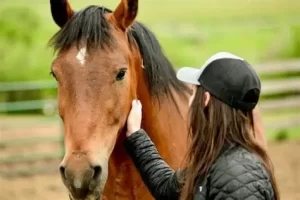
How Horses Foster Emotional Healing

Horses are incredibly perceptive animals, responding to subtle changes in posture, energy, and mood. Their sensitivity provides immediate, honest feedback without judgment. For clients in recovery, this feedback helps increase self-awareness, emotional regulation, and mindfulness. Working with horses allows individuals to experience emotions safely, offering a unique complement to traditional therapy sessions.

Developing Mindfulness and Presence

Horses live entirely in the present moment, providing a model for clients to emulate. Activities such as grooming, leading, or observing horses encourage individuals to slow down and focus on the here and now. This practice of mindfulness reduces stress, alleviates anxiety, and strengthens emotional resilience—skills that are critical for sustaining long-term recovery.

Rebuilding Trust and Confidence

Addiction and trauma often erode trust in both oneself and others. Horses require consistent, authentic engagement, teaching clients that trust is built through calm, honest interactions. By experiencing the reliability and responsiveness of a horse, clients gain confidence in their ability to form meaningful connections. This newfound trust often extends beyond the therapy sessions into personal relationships and life decisions.

Finding Purpose Through Connection

Equine-assisted therapy does more than reduce stress or anxiety; it helps individuals rediscover purpose. Caring for and connecting with horses fosters responsibility, empathy, and compassion. These qualities contribute to a sense of accomplishment and meaning, which can be particularly powerful for those in recovery seeking direction and fulfillment.

Integrating Holistic, Faith-Based Care

At Djurannons, horse-assisted therapy is part of a broader holistic and faith-based approach to recovery. Inpatient and outpatient programs are designed to address the whole person—mind, body, and spirit. Each treatment plan is personalized, combining equine therapy with counseling, spiritual guidance, and practical recovery strategies. This integration ensures that clients receive comprehensive support that nurtures emotional, mental, and spiritual well-being.

Enhancing Emotional Awareness

Interacting with horses teaches clients to recognize and respond to emotions, both their own and others’. This increased emotional awareness helps reduce impulsivity, manage cravings, and foster healthier relationships. Horses serve as compassionate partners in the healing process, reflecting feelings in ways that allow clients to understand themselves more deeply.

Promoting Long-Term Stability

The skills learned through horse-assisted therapy—mindfulness, trust, empathy, and emotional regulation—provide tools that clients can carry into everyday life. These abilities reinforce other aspects of recovery, supporting long-term stability and personal growth.

Rediscovering Calm and Purpose

Recovery is a journey that requires patience, support, and opportunities to rebuild trust and self-awareness. Horses offer a unique and powerful means of fostering these qualities. At Djurannons, horse-assisted therapy helps clients cultivate inner calm, reconnect with their emotions, and rediscover purpose, creating a foundation for lasting well-being.

If you or a loved one are ready to experience the transformative power of horse-assisted therapy, reach out to Djurannons today. Peace, resilience, and renewed purpose are closer than you think.

Quiet Lessons in Courage: Emotional Healing Through Equine Companionship

Healing from addiction, trauma, or mental health struggles often requires more than traditional therapy. It calls for safe spaces, trust, and guidance that goes beyond words. At Djurannons, equine-assisted therapy offers a unique pathway to recovery. Through quiet interaction with horses, clients learn courage, resilience, and emotional balance. Horses, with their intuitive and nonjudgmental presence, provide a supportive environment where emotional healing can flourish.

How Horses Foster Emotional Healing

Horses are naturally sensitive animals. They respond to body language, energy, and subtle emotional cues, offering instant feedback without judgment. For individuals in recovery, this feedback creates a mirror to understand and regulate emotions. When words fail, horses communicate in ways that help clients process fear, anxiety, and unresolved trauma safely.

Through consistent interaction, clients begin to recognize patterns in their emotional responses. These realizations become stepping stones toward personal growth, self-awareness, and emotional stability.

Developing Courage and Confidence

One of the core benefits of equine-assisted therapy is learning courage. Working with a horse requires patience, focus, and honesty. Clients must approach interactions with authenticity and presence, which cultivates inner strength.

Over time, these experiences translate into greater self-confidence. Individuals learn that they can face fears, take measured risks, and handle challenging situations—skills that are essential for recovery and everyday life.

Building Trust and Connection

Trauma and addiction often damage trust. Rebuilding it can feel overwhelming. Horses offer a safe and supportive way to practice trust. Clients learn that trust grows through consistent actions, calm presence, and mutual respect. This understanding helps individuals form healthier relationships and reinforces the foundation for long-term recovery.

Promoting Mindfulness and Emotional Regulation

Horses live entirely in the present moment. Interacting with them encourages clients to slow down, observe, and focus on the here and now. Activities like grooming, walking, and leading a horse help reduce stress and teach emotional regulation. By practicing mindfulness in the presence of a horse, clients gain tools to manage anxiety, cravings, and emotional triggers more effectively.

Integrating Equine Therapy into Holistic Recovery

At Djurannons, equine-assisted therapy is integrated into a holistic, faith-based approach to healing. Inpatient and outpatient programs are tailored to meet the unique needs of each client, combining equine therapy with counseling, medical support, and spiritual guidance.

This multi-faceted approach addresses not only the symptoms of addiction and mental health challenges but also the underlying emotional and spiritual needs. Equine-assisted therapy becomes both a therapeutic tool and a symbol of hope, resilience, and personal empowerment.

Real-Life Impact of Equine Companionship

Clients often report profound emotional breakthroughs after working with horses. They experience improved emotional awareness, decreased anxiety, enhanced confidence, and a renewed sense of connection. These “quiet lessons” in courage and presence extend beyond therapy sessions, helping individuals navigate recovery with grace and determination.

Begin Your Journey with Horses at Djurannons

Healing is a journey that requires courage, trust, and patience. Horses provide a safe, compassionate, and insightful companion for those seeking emotional balance and recovery. At Djurannons, equine-assisted therapy guides clients toward resilience, mindfulness, and self-discovery, creating a foundation for lasting wellness.

If you or a loved one are ready to explore the transformative power of equine companionship, reach out to Djurannons today. Emotional healing begins with quiet lessons, and sometimes the strongest guidance comes on four hooves.