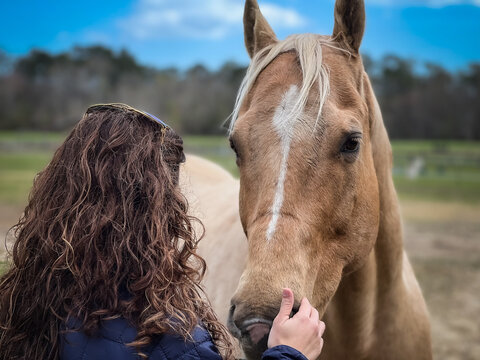
Listening to the Unspoken: How Horses Guide Mental Health Recovery

Recovery is not always about the words we say. For many individuals dealing with addiction, trauma, or mental health challenges, expressing thoughts and feelings can feel overwhelming or even impossible. At Djurannons, equine-assisted therapy offers a unique approach to healing. Horses communicate in ways that go beyond language, helping clients process emotions, rebuild trust, and strengthen their mental health through connection, presence, and empathy.

Understanding the Role of Horses in Mental Health Recovery

Horses are naturally intuitive creatures. They can sense subtle changes in body language, energy, and emotion, providing immediate, honest feedback. This sensitivity allows individuals in recovery to see the effects of their emotional state reflected back in a nonjudgmental and safe environment. Unlike traditional therapy sessions, where progress is often measured in words, working with horses emphasizes presence, mindfulness, and emotional honesty.

Clients learn to recognize how tension, anxiety, or calmness affects their equine partners, offering a mirror into their own emotional world. This reflective experience is essential for those who struggle to articulate their feelings verbally, offering a pathway to self-awareness and growth.

How Equine Therapy Promotes Healing

Building Emotional Awareness

Equine-assisted therapy helps clients become more aware of their emotions and reactions. Horses respond to energy and body language, which teaches individuals how their emotional state influences interactions. This process encourages emotional regulation, mindfulness, and personal insight—skills critical for overcoming addiction and managing mental health challenges.

Rebuilding Trust and Confidence

Trauma and addiction often erode trust in oneself and others. Horses provide a nonverbal, authentic way to practice trust. Through activities like grooming, leading, or simply spending time beside a horse, clients learn that patience, consistency, and honesty foster connection. This process translates into greater self-confidence and the ability to form healthier human relationships.

Reducing Stress and Promoting Mindfulness

Being around horses has a naturally calming effect. Research shows that interactions with horses can reduce cortisol levels, lower blood pressure, and promote relaxation. Whether through hands-on activities or quiet observation, clients are encouraged to focus on the present moment. This practice of mindfulness reduces anxiety, encourages reflection, and reinforces emotional resilience.

Integrating Holistic Care at Djurannons

At Djurannons, equine-assisted therapy is part of a comprehensive, faith-based, and holistic approach to recovery. Programs are designed to address the whole person—mind, body, and spirit. Inpatient programs offer structured support for those requiring intensive care, while outpatient programs provide ongoing guidance in a more flexible environment. Every treatment plan is individualized, combining equine therapy with counseling, spiritual guidance, and practical recovery strategies.

This integration ensures that clients receive not only emotional and psychological support but also tools to maintain long-term wellness, balance, and resilience.

The Transformative Power of the Unspoken

Horses have a remarkable ability to communicate without words. Their presence invites clients to slow down, observe, and connect with themselves on a deeper level. For individuals navigating the challenges of recovery, this connection can be transformative—offering clarity, grounding, and renewed hope.

Begin Your Journey with Horses at Djurannons

Recovery is not just about treatment—it is about rediscovering trust, balance, and self-understanding. Equine-assisted therapy at Djurannons provides a compassionate and effective way to support mental health recovery, helping clients reconnect with themselves and with the world around them.

If you or a loved one are seeking a holistic, faith-based, and personalized approach to mental health and addiction recovery, reach out to Djurannons today. Healing often begins in silence, and sometimes the most profound lessons are learned when we listen to the unspoken.
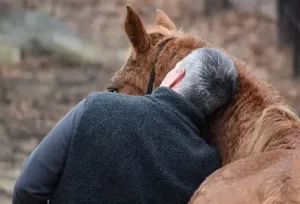
Beyond Conversation: How Horses Help Rebuild Trust After Trauma

Trust can be one of the hardest things to rebuild after trauma. Whether the trauma comes from addiction, loss, abuse, or years of emotional strain, many individuals enter recovery feeling guarded, disconnected, or uncertain about how to trust themselves or others again. At Djurannons, equine-assisted therapy offers a powerful and nonverbal path toward healing. Horses support clients in reconnecting with safety, confidence, and emotional stability without requiring difficult conversations or traditional talk therapy alone.
Why Trauma Makes Trust So Difficult

Trauma affects more than memory. It impacts how the brain processes safety, how the body reacts to stress, and how a person interprets the world around them. Many individuals in addiction recovery or mental health treatment carry wounds that make vulnerability feel risky. Opening up to another person can feel overwhelming.

This is where horses become invaluable partners in healing. Their calm presence and emotional sensitivity help clients build trust at a pace that feels natural and safe.

How Equine Therapy Supports Emotional Repair

Horses Respond to Authentic Emotion

Horses are highly intuitive animals that recognize emotional states through body language, breath, and movement. They are not influenced by verbal explanations. Instead, they respond to the honesty clients bring into each session. This creates a unique therapeutic environment that encourages self-awareness without judgment.

When a person approaches with calmness and openness, the horse reflects that energy. If a client is anxious or uncertain, the horse mirrors that as well. Over time, clients learn how emotional regulation, patience, and presence directly influence connection. This becomes a living lesson in rebuilding trust.

Learning Safety Through Consistency

Trauma often teaches the nervous system to expect unpredictability. Horses, however, thrive on routine. Their predictable behavior helps restore a sense of safety. Simple activities like grooming, walking, or just standing beside the horse become opportunities to relearn what consistency feels like.

Clients begin to understand that safety does not need to be earned through perfection. It can be created through gentle, reliable interactions. For many, this experience becomes the first step toward trusting others again.

Connection Without Pressure

Equine-assisted therapy removes the pressure to talk before a person is ready. Instead of analyzing trauma verbally, clients work through emotional patterns by interacting with a horse. This helps reduce emotional overwhelm and supports healing for individuals who struggle to express what they feel.

For people in inpatient and outpatient care, this type of therapy blends seamlessly with counseling, faith-based support, and holistic practices offered at Djurannons. It strengthens the overall recovery process and encourages deeper emotional clarity.

Building Trust That Extends Beyond the Past

Reclaiming Emotional Strength

Working with horses helps clients grow more confident in their ability to create healthy relationships. As clients see how their inner state influences the horse’s behavior, they begin to understand their own emotional power. This strengthens resilience and empowers them to move forward with greater stability.

Relearning Boundaries and Communication

Horses respect clear boundaries. They require mutual trust and clarity, which helps clients practice healthy communication. Establishing boundaries with a horse can be a breakthrough moment for someone who has struggled with control, fear, or self-doubt.

These skills translate into healthier interactions with family, friends, and support networks as clients progress through treatment.

Hope Begins With Trust

Healing after trauma is not defined by how quickly a person can talk about their experiences. It is defined by the moments when safety returns, when trust becomes possible, and when new connections begin to feel real. Horses guide individuals toward these moments with patience and understanding.

At Djurannons, equine-assisted therapy is more than an activity. It is a deeply transformative experience that supports addiction recovery, mental health treatment, and holistic emotional wellness.

If you or someone you love is ready to rebuild trust in a safe and compassionate environment, reach out to Djurannons today. Hope, healing, and connection are closer than you think.

Faith, Connection, and Hooves: Finding Hope in Horse-Led Healing

Recovery is not a journey that must be walked alone. For individuals facing addiction, trauma, or mental health challenges, finding support that addresses both emotional and spiritual needs is essential. At Djurannons, horse-led therapy provides a unique path to healing, combining the wisdom and presence of horses with holistic, faith-based care. Through these gentle and intuitive animals, clients rediscover hope, rebuild trust, and connect with their inner strength in ways that words alone cannot achieve.
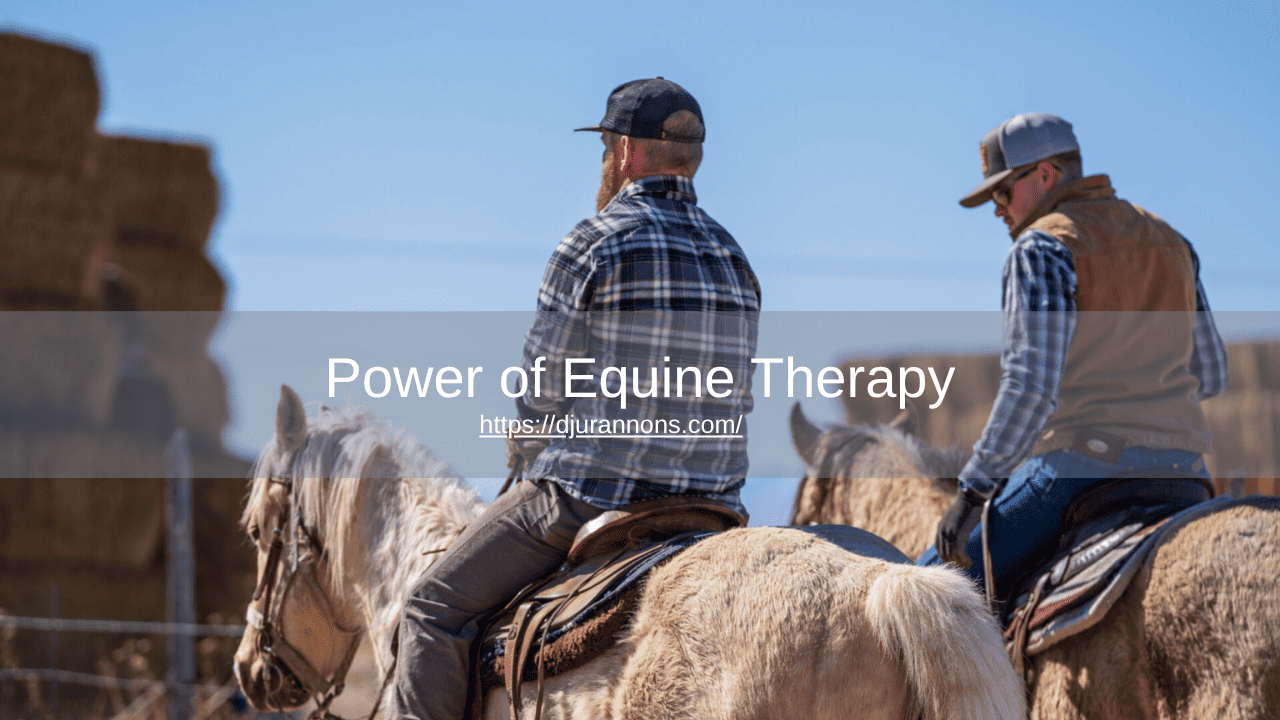
The Spiritual and Emotional Wisdom of Horses

Horses are highly sensitive creatures capable of detecting subtle shifts in human emotion. Their presence is both grounding and calming, providing immediate feedback that encourages self-reflection and emotional growth. For clients in recovery, this connection can be transformative. Horses do not judge or criticize—they simply respond to honesty and authenticity.

This quiet, empathetic presence allows individuals to confront difficult emotions safely and gain a deeper understanding of themselves. Whether it is anxiety, grief, or the lingering effects of trauma, equine therapy opens the door to emotional processing that complements traditional therapy and counseling.

How Horse-Led Healing Works

Building Trust Through Interaction

One of the core principles of recovery is learning to trust—both oneself and others. Horses require patience, consistency, and openness. Clients learn that calm, respectful engagement leads to positive interaction. This process teaches the value of trust and reinforces the confidence needed to navigate relationships and life challenges.

Developing Mindfulness and Emotional Regulation

Horses live entirely in the present moment. When clients work with them, they are encouraged to focus on the here and now, letting go of past regrets and future anxieties. Activities like grooming, leading, or walking alongside horses promote mindfulness and help clients manage stress, regulate emotions, and stay grounded—skills that are critical in overcoming addiction and mental health struggles.

Integrating Faith and Holistic Care

At Djurannons, equine therapy is part of a larger, faith-based approach to recovery. The programs integrate spiritual guidance, counseling, and holistic practices to address the whole person. Whether in inpatient care for structured support or outpatient care for continued growth, every treatment plan is tailored to meet the unique needs of each client. The combination of spiritual encouragement and therapeutic interaction with horses creates a powerful environment for transformation and hope.

Benefits of Horse-Led Healing

  1. Enhanced Emotional Awareness: Horses reflect emotions back to clients, promoting self-understanding and emotional growth.

  2. Reduced Stress and Anxiety: Spending time with horses has a calming effect, lowering cortisol and fostering relaxation.

  3. Improved Trust and Confidence: Learning to work with these powerful animals builds resilience and self-esteem.

  4. Spiritual and Holistic Renewal: Faith-based guidance combined with equine therapy strengthens overall wellbeing.

Rediscovering Hope and Healing

Recovery is more than stopping harmful behaviors—it is about rebuilding a sense of purpose, connection, and emotional balance. Horses offer a gentle yet profound form of guidance, helping clients reconnect with themselves and with a higher sense of hope. At Djurannons, horse-led therapy is part of a compassionate, individualized path to recovery that integrates emotional, mental, and spiritual healing.

If you or a loved one are seeking a holistic and faith-based approach to recovery, consider the transformative power of horse-led therapy. Reach out to Djurannons today, and take the first step toward hope, healing, and a renewed sense of purpose.

When Silence Speaks: The Transformative Power of Equine Therapy in Recovery

Healing does not always begin with words. For many individuals struggling with addiction, trauma, or mental health challenges, talking about pain can feel impossible. At Djurannons, the journey to recovery embraces more than traditional therapy sessions. Through equine-assisted therapy, clients discover that healing can emerge from presence, connection, and trust. Horses have a unique ability to communicate without speech, reflecting emotions and offering a powerful path toward personal transformation.

Understanding Equine Therapy: Healing Through Connection

Equine-assisted therapy is a form of experiential treatment that uses interaction with horses to promote emotional growth, self-awareness, and healing. Unlike conventional talk therapy, this approach focuses on nonverbal communication. Clients work alongside trained professionals and horses to explore feelings, build trust, and develop healthier coping mechanisms.

Horses are naturally intuitive. They sense emotional shifts, tension, and anxiety in humans, responding authentically to what they perceive. This honest feedback encourages individuals to recognize and manage their emotions in real time, making equine therapy a deeply introspective and healing experience.

The Role of Silence in Emotional Recovery

In recovery, silence is often misunderstood. For many, silence represents emptiness or avoidance. But in equine therapy, silence becomes a language of its own. Horses do not require explanations or apologies. They live in the moment, responding to energy rather than words.

This peaceful environment allows clients to reconnect with themselves. Standing beside a horse, grooming it, or simply observing its calm behavior can ease stress and invite reflection. Clients often describe feeling “seen” without being judged, creating a sense of emotional safety that supports deeper healing.

Rediscovering Trust and Self-Awareness

Trust is one of the first lessons horses teach. For those in addiction recovery, trust—both in others and in themselves—may have been broken. Horses are sensitive to authenticity and require consistency. When clients approach them with honesty and patience, horses respond with acceptance and cooperation.

This process mirrors the rebuilding of trust in human relationships. As clients learn to approach horses calmly and respectfully, they also learn how to rebuild their own sense of integrity and confidence. Over time, this new understanding extends beyond the therapy sessions and into daily life.

Integrating Faith and Holistic Healing at Djurannons

At Djurannons, equine therapy is part of a broader, holistic and faith-based approach to recovery. The center offers both inpatient and outpatient programs that address the whole person—mind, body, and spirit. Through compassionate care and personalized treatment plans, clients receive the guidance and tools needed for long-term wellness.

Equine-assisted therapy is combined with counseling, medical support, and spiritual reflection to create a balanced healing experience. Each session provides space to slow down, connect with nature, and rediscover purpose. By integrating this powerful form of therapy, Djurannons helps clients find peace and stability that extends far beyond recovery.

The Transformative Power of Equine Therapy

The impact of equine therapy goes beyond emotional healing. Clients often report improved self-esteem, better emotional regulation, and a stronger sense of inner calm. Working with horses promotes mindfulness and teaches individuals how to stay present—a crucial skill in overcoming cravings and managing stress.

Through these interactions, people begin to understand that healing is not a destination but a process of becoming whole again. Horses remind us that progress can happen quietly, without words, through patience, trust, and compassion.

Listening to the Quiet Voice of Recovery

In a world where words often fail, horses offer a different kind of conversation—one grounded in empathy and truth. At Djurannons, equine-assisted therapy allows individuals to experience the power of silence, finding healing in connection rather than conversation. Whether you are seeking support for addiction recovery, mental health treatment, or emotional renewal, the journey can begin in the stillness shared with a horse.

Reach out to Djurannons today to learn how equine therapy can help you rediscover balance, hope, and peace. Sometimes, the most profound healing happens when we stop speaking and start listening.

Healing Without Talking: Why Horses Understand What We Feel

Recovery is more than attending therapy sessions or following a treatment plan. It is about reconnecting with oneself, processing emotions, and learning to trust again. For many individuals facing addiction, trauma, or mental health challenges, expressing feelings verbally can be difficult or overwhelming. At Djurannons, horse-assisted therapy provides a powerful alternative. Through their intuitive nature, horses can sense human emotions, offering support and guidance without a single word.
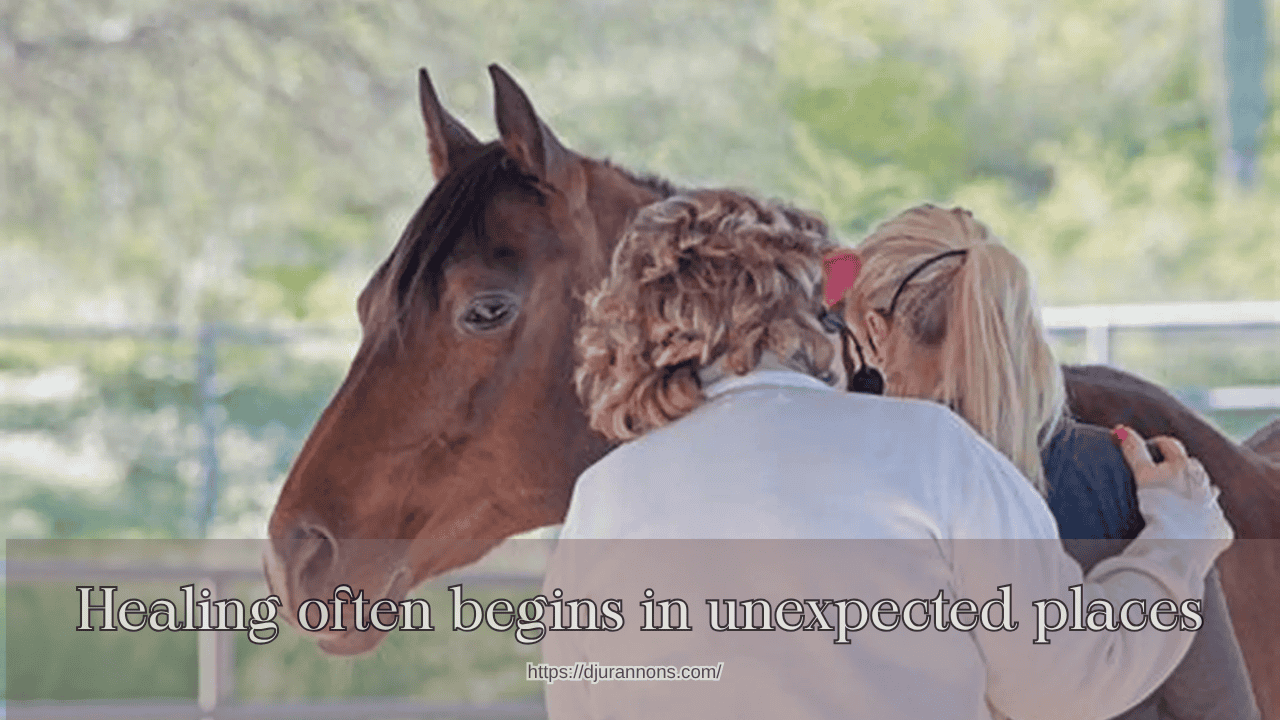
The Unique Connection Between Horses and Humans

Horses are highly perceptive animals. They respond to subtle shifts in body language, energy, and mood, providing immediate, nonjudgmental feedback. For people in recovery, this feedback is invaluable. It allows individuals to see the effects of their emotions in real time and encourages mindful self-reflection. In a way, horses become emotional mirrors, reflecting our inner state and helping us navigate feelings that are difficult to articulate.

How Equine-Assisted Therapy Supports Emotional Healing

Building Trust and Empathy

Trust is often one of the most challenging aspects of recovery. Years of trauma, addiction, or broken relationships can leave individuals wary of connection. Horses require consistency, patience, and authenticity. As clients work with horses, they experience a form of relational healing. They learn to give and earn trust in a safe, structured environment, a skill that translates into personal relationships and overall emotional resilience.

Enhancing Emotional Awareness

Horses naturally react to a person’s emotional state. If a client approaches a horse with tension or anxiety, the horse may become restless or distant. Conversely, calm and balanced energy fosters cooperation. This immediate reflection teaches individuals how their emotions affect others and encourages the development of emotional regulation skills, which are crucial in addiction recovery and mental health management.

Reducing Stress and Anxiety

Simply being near horses has been shown to reduce stress levels, lower blood pressure, and promote relaxation. Activities such as grooming, walking, or observing horses allow clients to focus on the present moment, fostering mindfulness. This meditative presence is especially beneficial for those dealing with anxiety, depression, or trauma-related symptoms.

Integrating Holistic Care at Djurannons

At Djurannons, horse-assisted therapy is integrated into a holistic and faith-based approach to recovery. Inpatient programs provide structured support for those needing intensive care, while outpatient programs offer flexibility for ongoing healing. Each treatment plan is personalized, combining equine therapy with counseling, medical support, and spiritual guidance. By addressing the mind, body, and spirit, clients are empowered to achieve lasting emotional balance and personal growth.

Finding Healing Beyond Words

Horses have a remarkable ability to connect with humans on a deep, emotional level. Their quiet presence, intuitive nature, and nonjudgmental feedback provide an environment where healing can occur without words. At Djurannons, horse-assisted therapy offers a compassionate, individualized path to recovery, helping clients rebuild trust, develop emotional awareness, and find inner peace. If you or a loved one is ready to begin a journey toward holistic healing, reach out today. Sometimes, the most profound recovery happens in silence, guided by the gentle presence of a horse.

Silent Strength: Discovering Emotional Balance Through Horse-Assisted Therapy

Healing often begins in unexpected places. For many people facing addiction, trauma, or mental health challenges, words can only go so far. Sometimes, true recovery comes from quiet connection and presence. At Djurannons, horse-assisted therapy offers a unique and deeply healing experience that helps individuals find balance, trust, and peace without needing to speak. Horses, through their silent strength and intuitive nature, become partners in recovery, guiding clients toward emotional stability and self-awareness.

The Healing Connection Between Humans and Horses

Horses are incredibly sensitive creatures. They respond to energy, emotion, and intention. This makes them ideal companions for therapy, especially for those who struggle to express feelings or cope with past pain. When interacting with a horse, clients are invited to slow down, be present, and become aware of their inner state. Horses reflect what they sense, allowing individuals to see their emotions mirrored back to them in a calm, nonjudgmental way.

This type of interaction helps people gain insight into their emotions and behaviors, fostering personal growth and healing. It is especially powerful for those in addiction recovery or managing mental health conditions such as anxiety, depression, or post-traumatic stress.

How Horse-Assisted Therapy Builds Emotional Strength

Learning Emotional Awareness

In horse-assisted therapy, every moment matters. Horses respond immediately to emotional cues, whether calm, anxious, or uncertain. This natural feedback helps clients recognize and regulate their emotions in real time. It becomes a safe space to practice emotional awareness and self-control—essential skills for lasting recovery.

Rebuilding Trust and Confidence

Addiction and trauma often leave behind deep wounds of mistrust and self-doubt. Working with a horse requires openness, patience, and honesty. As clients build trust with their equine partners, they also begin rebuilding trust in themselves. This sense of confidence carries over into other relationships and areas of life, reinforcing the foundation for sustainable healing.

Cultivating Mindfulness and Calm

Horses live entirely in the present moment. They are not distracted by the past or worried about the future. Through their example, clients learn to quiet the mind and focus on the here and now. Activities like grooming, walking, or simply standing beside a horse can help reduce anxiety, promote relaxation, and restore a sense of balance that supports emotional recovery.

A Holistic Approach to Recovery at Djurannons

At Djurannons, horse-assisted therapy is part of a broader, holistic approach to healing. The team understands that recovery is not only about breaking free from addiction but about restoring emotional, mental, and spiritual well-being. Treatment plans are personalized to meet each client’s unique needs, combining evidence-based therapy with faith-based support and compassionate care.

Whether through inpatient treatment for structured healing or outpatient programs for continued growth, clients experience a nurturing environment where they can safely explore and overcome their challenges. Horse-assisted therapy complements this process by creating a powerful connection between mind, body, and spirit.

Finding Strength in Stillness

The silent power of a horse can speak directly to the heart. In the calm of the stable, individuals discover that healing does not always require words. It requires presence, patience, and openness to connection. The lessons learned alongside these gentle animals extend far beyond the therapy session, teaching resilience, empathy, and emotional stability.

Step Into Healing with Djurannons

At Djurannons, recovery is not a one-size-fits-all process—it is a journey of rediscovery, guided by compassion and care. Through horse-assisted therapy, clients learn to reconnect with themselves and find peace in the quiet strength of these remarkable animals. If you or someone you love is seeking emotional balance and a holistic path to healing, reach out to Djurannons today. Sometimes, the most profound healing begins in silence, one step—and one heartbeat—at a time.

The Language of Healing: How Horses Teach Us to Listen Without Words

Healing is not always found in conversation. For those struggling with addiction, trauma, or emotional pain, words can sometimes feel heavy or out of reach. In these moments, connection must take a different form. At Djurannons, equine-assisted therapy offers a path to healing that transcends language. Horses, through their quiet presence and intuitive understanding, help individuals rediscover trust, peace, and emotional balance—without saying a single word.
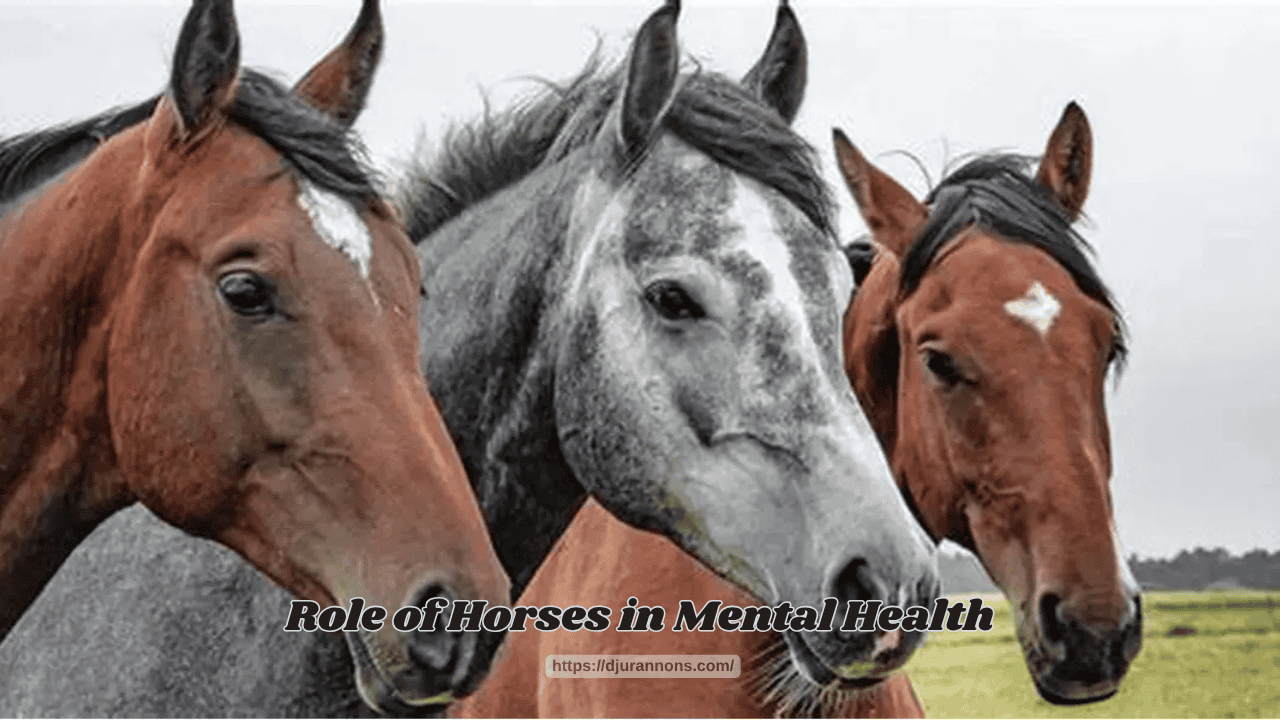
The Silent Wisdom of Horses

Horses communicate through energy, body language, and presence. They read subtle shifts in emotion and respond in kind, often mirroring how a person feels in the moment. This reflection provides immediate, nonjudgmental feedback that helps clients become more aware of their emotions and behaviors. For someone in addiction recovery or managing mental health challenges, this awareness can be transformative. It teaches individuals to listen—not only to the horse but to themselves.

How Equine Therapy Fosters Emotional Growth

Building Trust and Connection

Many people in recovery struggle with trust after years of pain or disconnection. Horses require authenticity. They do not respond to pretense or emotional walls. Building a relationship with a horse takes patience and honesty, two qualities that are essential for lasting recovery. Over time, this process helps individuals rebuild confidence in their ability to form healthy, trusting relationships.

Learning Mindfulness and Regulation

When interacting with a horse, being present is essential. Horses sense anxiety, frustration, or fear, and they respond to it. Clients quickly learn that calm and consistency lead to cooperation. This encourages emotional regulation and mindfulness—skills that help reduce stress and prevent relapse in everyday life.

Overcoming Emotional Barriers

Some emotions are too painful to express verbally. Equine therapy allows those feelings to surface naturally. Whether through grooming, walking, or simply standing near a horse, clients often experience moments of deep emotional release. The connection provides comfort and validation that words alone cannot offer.

The Healing Power of Presence

Equine therapy is not about riding or mastering control. It is about relationship, empathy, and awareness. Horses provide a mirror for the human spirit. Their calm, grounded nature helps individuals reconnect with their inner selves. This gentle exchange can ease symptoms of anxiety, depression, and trauma, helping clients feel safe and seen.

The Holistic Care Approach at Djurannons

At Djurannons, equine therapy is one part of a comprehensive, holistic treatment plan. Each client receives individualized care designed to address the mind, body, and spirit. Whether in an inpatient setting for intensive recovery or through outpatient care for ongoing support, clients are guided by a compassionate, faith-based approach that promotes long-term wellness. By integrating equine therapy with counseling, medical care, and spiritual guidance, Djurannons creates an environment where true healing can take place.

Listening Beyond Words

In recovery, healing begins not just by speaking, but by listening—to others, to oneself, and sometimes, to the quiet wisdom of a horse. Horses teach us patience, presence, and the value of nonverbal connection. At Djurannons, these lessons become a bridge to emotional freedom and renewed purpose. If you or someone you love is ready to begin the journey toward healing, reach out today. Sometimes, the most powerful conversations happen in silence.

Therapists on Four Legs: Understanding the Role of Horses in Mental Health

In the search for effective ways to address addiction, trauma, and mental health challenges, therapy often takes many forms. While traditional talk therapy is invaluable, some individuals struggle to express their pain in words. This is where equine-assisted therapy offers a powerful alternative. Horses, often described as therapists on four legs, create a unique environment of healing where trust, presence, and emotional awareness flourish. At Djurannons, equine therapy is an integral part of a holistic approach that blends evidence-based care with compassionate, faith-based values.
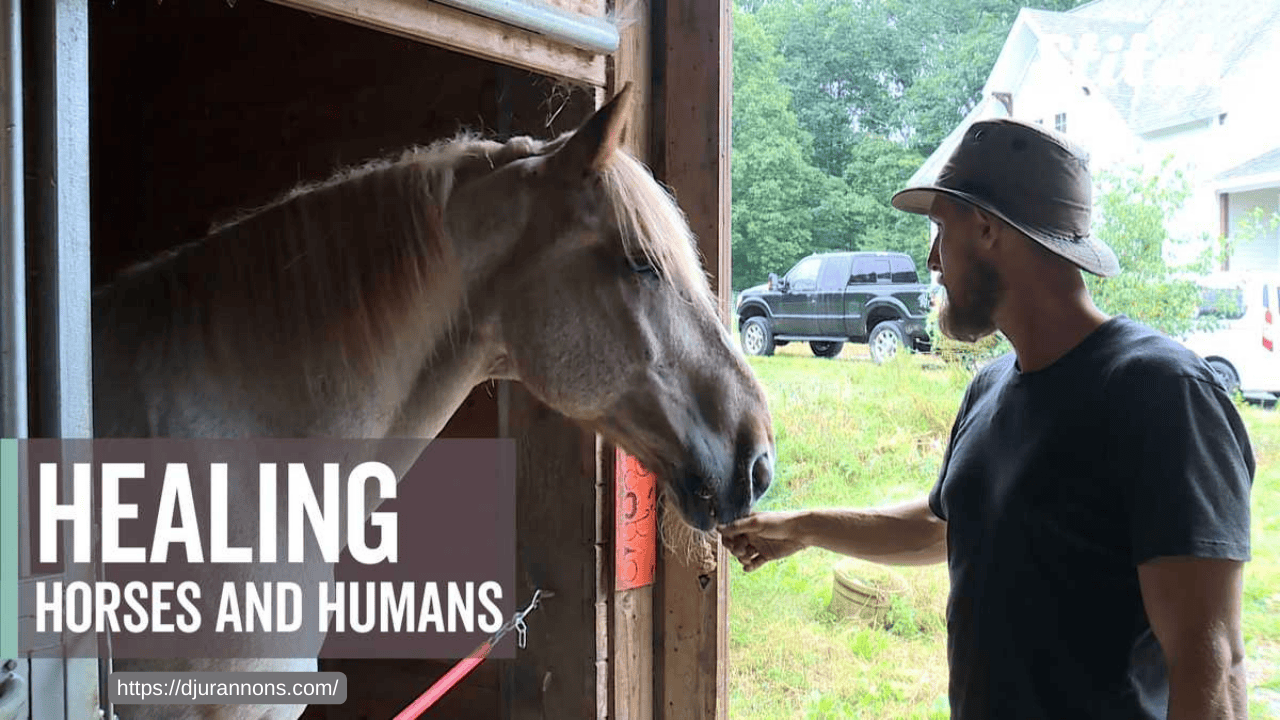
Why Horses Make Natural Partners in Therapy

Horses are highly intuitive animals. They sense human emotions with remarkable accuracy and respond to them without judgment. Unlike people, horses do not mask their reactions or filter their behavior. This creates a safe and honest space for clients to explore their feelings. For those who have faced broken trust, guilt, or isolation, the nonverbal communication of horses offers a profound pathway to reconnection.

How Equine-Assisted Therapy Works

Groundwork and Relationship Building

Most equine therapy begins with simple activities such as grooming, leading, or observing horses. These interactions encourage mindfulness and teach clients how their emotions influence others. Over time, clients learn that calm, consistent communication fosters trust, mirroring what is needed in healthy human relationships.

Building Confidence and Self-Esteem

Guiding and caring for a large animal builds a sense of accomplishment. As clients realize they can establish mutual respect with a horse, they regain confidence in their ability to face challenges. This empowerment often extends into other areas of life, supporting recovery and personal growth.

Emotional Awareness and Regulation

Because horses reflect the emotional state of the person they interact with, clients quickly see how stress, fear, or calmness affects the dynamic. This feedback helps individuals practice emotional regulation, which is especially valuable for those managing anxiety, trauma triggers, or cravings in addiction recovery.

Benefits for Mental Health and Recovery

Equine-assisted therapy provides more than temporary comfort. It helps foster long-term resilience by addressing core challenges many clients face.

  1. Stress Reduction: Interaction with horses lowers stress hormones and increases feelings of calm.

  2. Mindfulness: Horses live in the present, teaching clients to focus on the moment rather than being overwhelmed by past mistakes or future worries.

  3. Trauma Healing: Survivors of trauma often find stability in the presence of horses, who offer consistency and nonjudgmental acceptance.

  4. Improved Communication: Learning to interact with horses enhances both verbal and nonverbal communication skills that strengthen personal relationships.

The Holistic Approach at Djurannons

At Djurannons, equine therapy is one part of a comprehensive recovery program. Inpatient treatment provides a structured environment for intensive healing, while outpatient care offers flexibility for those balancing recovery with daily responsibilities. Every treatment plan is individualized and integrates faith-based principles, clinical expertise, and holistic practices. By addressing the mind, body, and spirit, clients are supported at every step of their recovery journey.

A Path to Healing Beyond Words

Horses have an extraordinary way of reaching people where words fall short. Their presence invites trust, encourages mindfulness, and inspires healing from within. At Djurannons, these therapists on four legs walk alongside clients as they rebuild confidence, restore trust, and embrace a healthier future. If you or a loved one is seeking compassionate support, reach out today. Healing may begin with something as simple as a quiet moment shared with a horse.

The Stable Solution: How Horses Help Humans Heal Emotionally

Emotional healing is rarely a straightforward process. For individuals facing addiction, trauma, or mental health challenges, traditional talk therapy may feel overwhelming or even insufficient. This is why more recovery centers are turning to equine-assisted therapy as a powerful complement to traditional care. At Djurannons, horses play a meaningful role in helping clients restore trust, find balance, and reconnect with themselves on the journey toward recovery.

Why Horses Offer a Unique Path to Healing

Horses are highly sensitive animals that respond instinctively to human emotions and energy. Their ability to reflect what a person is feeling without judgment makes them ideal therapeutic partners. Unlike conversations with people, interactions with horses create an environment of honesty and acceptance. For clients who may carry feelings of shame, guilt, or fear, this safe and nonverbal connection opens the door to emotional growth.

How Equine Therapy Works

Groundwork and Connection

Most equine therapy sessions begin on the ground rather than in the saddle. Activities such as grooming, leading, or observing horses encourage clients to slow down and become more mindful. These simple but profound exercises promote relaxation and build a foundation of trust between horse and human.

Emotional Awareness and Regulation

Horses mirror human emotions in real time. If a person approaches with anxiety or tension, the horse will likely respond in kind. Learning to regulate one’s emotions to create a calm presence encourages self-awareness and provides valuable practice for managing stress and triggers in daily life.

Confidence and Trust-Building

Working with such powerful animals fosters a sense of accomplishment. As clients guide and care for horses, they rediscover their ability to build healthy relationships, set boundaries, and trust again. This can be especially meaningful for those whose trust has been damaged by addiction or trauma.

Emotional Benefits of Equine-Assisted Therapy

  1. Reduced Stress and Anxiety: Spending time with horses naturally lowers cortisol levels and promotes relaxation.

  2. Increased Mindfulness: Horses live in the present moment, encouraging clients to focus on here and now rather than the weight of the past.

  3. Healing from Trauma: For survivors of trauma, horses provide a steady and grounding presence that restores a sense of safety.

  4. Improved Communication: Nonverbal interactions with horses enhance social and relational skills that translate into human connections.

The Holistic Approach at Djurannons

Equine therapy at Djurannons is not offered in isolation. It is part of a broader, holistic, and faith-based treatment program designed to address the whole person: mind, body, and spirit. Whether through inpatient care for those needing intensive support or outpatient care for individuals balancing treatment with daily life, each plan is customized to meet unique needs. By blending equine therapy with counseling, medical care, and spiritual guidance, clients receive comprehensive support that empowers long-term recovery.

Finding Emotional Freedom in the Stable

Healing is not only about breaking free from addiction or managing mental health symptoms. It is about learning to trust, to connect, and to embrace emotional resilience. Horses offer a rare gift in this process: the ability to reflect, teach, and guide without a single word. At Djurannons, equine-assisted therapy is part of a compassionate, individualized path toward lasting transformation. If you or someone you love is ready to begin, reach out today. The first step toward healing may be waiting in the stable.

Leading with Hooves: Building Trust Through Equine-Assisted Therapy

Trust is often one of the first casualties of addiction and trauma. Whether it is trust in others, in the world, or even in oneself, rebuilding this foundation can feel daunting. Traditional therapy provides valuable tools, but sometimes words are not enough. This is where equine-assisted therapy offers something extraordinary. By engaging with horses, individuals in recovery find a unique pathway to healing that is built on presence, patience, and nonverbal connection. At Djurannons, equine therapy is an integral part of a holistic, faith-based approach that supports both inpatient and outpatient recovery.

Why Horses Are Natural Partners in Healing

Horses are prey animals, which means they are highly attuned to the energy and emotions of those around them. They respond to subtle cues in body language and mood, reflecting what people are feeling in real time. Unlike human interactions, there is no judgment or hidden agenda in a horse’s response. This creates a safe and honest environment for individuals who may have struggled with broken trust in the past.

How Equine-Assisted Therapy Builds Trust

Relearning Connection

In recovery, many people experience feelings of isolation or disconnection. Horses bridge this gap by offering a relationship that does not rely on words. Grooming, leading, or simply spending quiet time with a horse helps clients experience genuine connection, reminding them that trust is possible.

Practicing Patience and Boundaries

Building trust with a horse takes time. Horses respond best to calm, consistent behavior and clear boundaries. For clients, this process mirrors healthy human relationships, teaching valuable skills like patience, respect, and accountability.

Rebuilding Confidence

Working with such a powerful animal can be intimidating at first. As clients learn to guide and care for horses, they gain confidence in their ability to communicate, lead, and nurture. This sense of empowerment often extends beyond the stable and into daily life.

Emotional and Physical Benefits

Equine-assisted therapy goes beyond building trust. The act of caring for and engaging with horses naturally lowers stress, reduces anxiety, and encourages mindfulness. The physical activity involved in grooming, leading, or riding also supports overall wellness. For trauma survivors, the rhythmic movement of horseback riding can have a grounding and meditative effect that promotes emotional regulation.

A Holistic Approach at Djurannons

At Djurannons, equine therapy is not a stand-alone treatment but part of a broader, client-centered recovery plan. Inpatient care offers a structured environment for those who need intensive support, while outpatient programs provide flexibility for individuals balancing treatment with daily responsibilities. Both are guided by holistic and faith-based principles that address the whole person—mind, body, and spirit. Each client’s journey is respected, and treatment plans are tailored to meet their unique needs.

Taking the First Step

Trust is not rebuilt overnight, but it is possible. Through the quiet presence of horses, individuals can rediscover connection, rebuild confidence, and find the courage to trust again. At Djurannons, equine-assisted therapy is part of a compassionate path toward recovery and renewal. If you or a loved one is ready to begin this journey, reach out today. Healing starts with a single step, and sometimes, it begins by walking alongside a horse.