Where Words Fail: The Quiet Magic of Horse-Led Healing

Sometimes words are not enough to capture the depth of pain caused by addiction, trauma, or mental health struggles. For many people, traditional therapy that relies on conversation can feel overwhelming or incomplete. This is where horses step in as unique partners in healing. Their quiet presence, emotional sensitivity, and ability to reflect human feelings create a therapeutic experience that transcends language. At Djurannons, horse-led healing is part of a holistic, faith-based approach designed to support individuals through both inpatient and outpatient care.

Why Horses Heal Without Words

Horses communicate through energy, body language, and instinct. They can sense shifts in emotion and mirror the state of those around them. For someone in recovery, this kind of feedback is powerful. A horse that grows restless in response to anxiety or calms down in response to relaxation shows clients how their emotions affect others. This reflection is free of judgment and rooted in honesty, creating a safe space for growth and awareness.

The Role of Equine Therapy in Recovery

Building Emotional Awareness

Addiction often disconnects people from their true feelings. Working with horses brings those emotions back into focus. By interacting with a horse, clients gain insight into what they are feeling in the moment and learn healthier ways to regulate their responses.

Rebuilding Trust and Confidence

Trust can be one of the hardest things to rebuild in recovery. Horses require patience, respect, and consistency, offering a safe way for clients to practice these skills. Guiding or caring for such a powerful animal builds confidence and fosters a sense of accomplishment.

Reducing Stress and Anxiety

The stable environment itself contributes to healing. Time spent grooming or walking alongside a horse naturally reduces stress and encourages mindfulness. For individuals who often feel overwhelmed, these quiet moments can be grounding and restorative.

Supporting Trauma Survivors

For those carrying the weight of trauma, verbal expression can be difficult or even painful. Horses offer comfort without demanding words. Their presence provides reassurance, helping trauma survivors reconnect with their emotions and bodies at a pace that feels safe.

A Holistic Approach at Djurannons

At Djurannons, horse-led therapy is one piece of a comprehensive recovery plan. Inpatient care provides a structured, supportive environment for individuals who need intensive treatment, while outpatient care offers flexibility for those balancing recovery with everyday responsibilities. Both programs are rooted in holistic and faith-based principles, ensuring that healing addresses the mind, body, and spirit. Every treatment plan is individualized, because no two recovery journeys are the same.

Taking the First Step Toward Healing

Where words fail, horses speak through presence and connection. Their quiet magic helps people discover emotional balance, rebuild trust, and experience peace in ways that traditional therapy alone may not provide. At Djurannons, equine therapy is part of a compassionate, client-centered approach that offers real hope for recovery. If you or a loved one is ready to take the next step toward healing, reach out today. Sometimes, the journey begins not with words, but with the gentle touch of a horse.

Harnessing Hope: The Transformative Effects of Equine Therapy

Recovery is not only about breaking free from addiction or managing mental health challenges. It is also about rediscovering connection, trust, and self-worth. For many individuals on their healing journey, traditional therapy is effective but not always enough. This is where equine therapy offers something profoundly different. Horses, with their natural sensitivity and calm presence, have become remarkable partners in helping people heal. At Djurannons, equine-assisted therapy is integrated into a holistic, faith-based, and client-centered approach that supports individuals in both inpatient and outpatient care.

Why Horses Play a Unique Role in Healing

Horses are highly intuitive animals that respond to human emotions without judgment. Unlike traditional talk therapy, equine therapy focuses on nonverbal communication and emotional presence. A horse mirrors a person’s energy and feelings, encouraging clients to notice and regulate their emotions in real time. This unique connection allows individuals to experience trust, patience, and vulnerability in ways that words alone often cannot achieve.

The Core Benefits of Equine Therapy in Recovery

Emotional Awareness and Regulation

Addiction and trauma often disconnect people from their emotions. Horses help clients rebuild that bridge by responding to subtle shifts in behavior or mood. This reflection gives individuals immediate feedback, helping them learn to identify, process, and regulate emotions in a safe environment.

Building Trust and Confidence

Many people who seek recovery have experienced broken trust and damaged relationships. Working with horses requires patience, respect, and consistency. As clients build a relationship with a horse, they also rebuild their confidence and learn to form healthier bonds with others.

Stress and Anxiety Reduction

Time spent with horses has been shown to lower stress levels and promote calmness. Their quiet strength and steady presence help reduce anxiety, which is especially beneficial for those who struggle with cravings, restlessness, or overwhelming emotions during recovery.

Trauma Healing Through Presence

For trauma survivors, horses provide grounding without requiring verbal disclosure of painful experiences. Their ability to create a safe and nonjudgmental space allows clients to feel supported while gently reconnecting with their own bodies and emotions.

A Holistic and Faith-Based Approach at Djurannons

At Djurannons, equine therapy is not an isolated practice but part of a wider framework of care. Inpatient programs provide 24-hour structure and support, while outpatient care allows individuals to continue their healing while balancing everyday responsibilities. Each treatment plan is personalized, combining equine therapy with counseling, group therapy, and holistic practices. For clients seeking a faith-based path, spiritual guidance is integrated, ensuring that recovery addresses the whole person: mind, body, and soul.

Finding Strength in the Saddle

Equine therapy is more than time spent with horses. It is a pathway to hope, transformation, and deep emotional healing. Horses guide clients toward self-awareness, trust, and peace in ways that traditional therapy cannot always reach. At Djurannons, this therapy is part of a compassionate and holistic approach designed to help each individual find freedom and renewal. If you or a loved one is ready to begin the journey of recovery, the first step is reaching out. Hope and healing are within reach, and sometimes it begins with the gentle touch of a horse.

The Horse’s Touch: Therapy Without Words, Connection Beyond Limits

In the journey of addiction recovery and mental health healing, words are often powerful. But there are moments when words alone cannot reach the deepest parts of human pain. This is where horses, with their silent strength and intuitive presence, become extraordinary partners in the process of healing. Known as equine-assisted therapy, this approach allows individuals to connect with horses in a way that nurtures emotional balance, rebuilds trust, and restores hope, all without the need for spoken language.
Why Horses Make Unique Healing Partners

Horses are highly sensitive animals. They respond to the emotions, body language, and energy of the people around them. For someone struggling with addiction, trauma, or anxiety, a horse’s calm presence can provide a safe space to release stress and learn new ways of engaging with the world. Unlike humans, horses do not judge. They reflect what they feel, offering honest and immediate feedback. This makes them powerful allies for individuals seeking to understand themselves better and to build healthier patterns of thought and behavior.

How Equine Therapy Supports Recovery

Building Trust and Connection

Recovery requires trust, both in oneself and in others. Working with horses encourages patience and consistency, as horses respond only when they feel safe and respected. This mirrors the process of rebuilding trust in relationships, which is often an essential step in recovery.

Emotional Regulation

Addiction and mental health struggles often come with intense emotions that feel difficult to manage. Horses naturally encourage individuals to remain calm and present. When a person is anxious or unsettled, the horse will often mirror that energy, gently prompting the individual to slow down, breathe, and regulate their emotions.

Encouraging Mindfulness

Spending time with horses draws individuals into the present moment. Grooming, walking, or simply standing beside a horse requires focus and attentiveness. These mindful interactions reduce stress, quiet negative thoughts, and create space for inner peace.

Supporting Trauma Healing

For those who have survived trauma, horses offer a sense of safety and grounding. Their steady, nonverbal communication helps trauma survivors reconnect with their own bodies and emotions at a pace that feels manageable and compassionate.

Holistic and Individualized Care

At Djurannons, the integration of equine-assisted therapy reflects a commitment to holistic and faith-based healing. Every individual’s journey is unique, which is why care plans are tailored to meet personal needs. Whether in an inpatient setting where structure is vital or through outpatient services that provide ongoing support, horses can play a central role in the recovery process. The gentle, nonverbal guidance of these animals complements counseling, group therapy, and spiritual support, making recovery both comprehensive and deeply human.

Taking the Next Step

The touch of a horse speaks louder than words. It offers comfort, clarity, and connection in ways that traditional methods alone cannot provide. For individuals seeking freedom from addiction and healing from emotional pain, equine-assisted therapy opens a path toward balance and renewal. If you or someone you love is searching for compassionate, individualized care, reach out today. Healing may begin with a single step, but with the guidance of horses, it can become a journey toward lasting recovery and hope.

Healing Hoofbeats: How Horses Guide Emotional Recovery

When the path to healing feels unclear, sometimes the most powerful guide comes not from words but from a gentle presence. Equine-assisted therapy has become an inspiring and effective approach in mental health and addiction recovery. At Djurannons.com, where holistic, faith-based, and client-centered care is at the heart of every program, equine therapy offers a deeply transformative experience for individuals rebuilding their lives.
What Is Equine-Assisted Therapy?

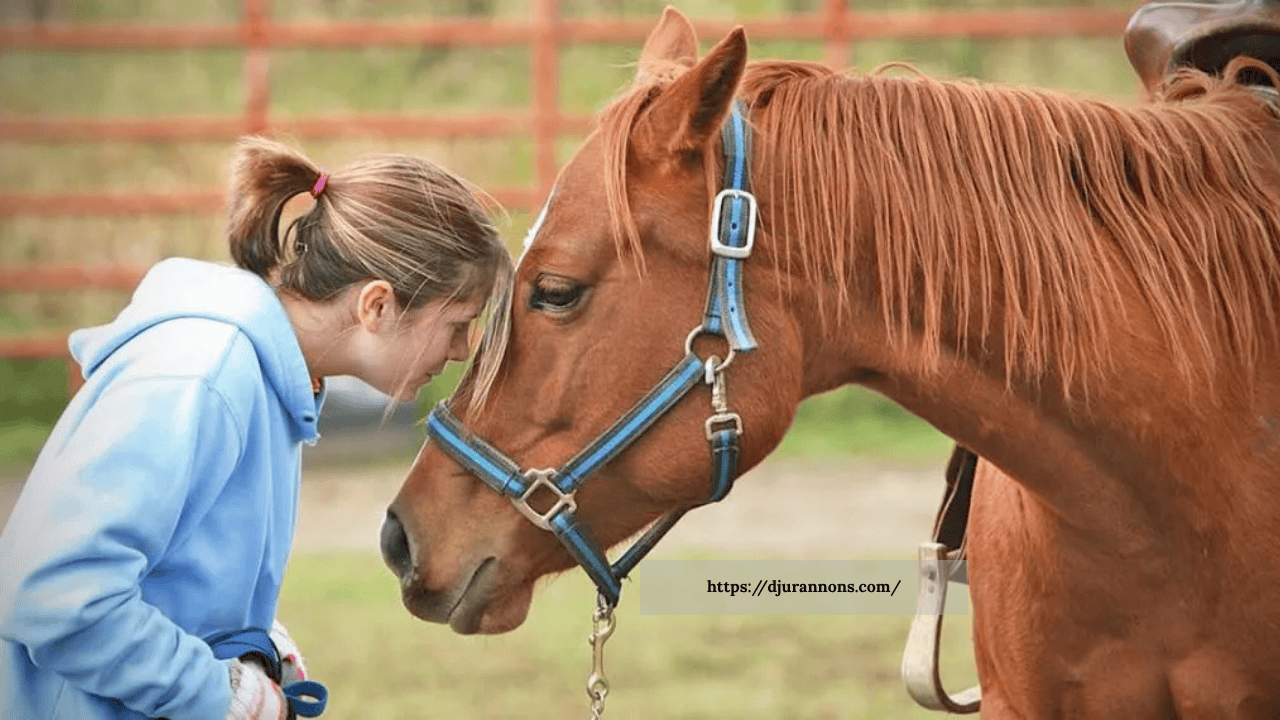
Equine-assisted therapy involves structured, therapeutic interaction between individuals and horses, facilitated by trained mental health professionals. This therapy goes beyond riding. It includes grooming, feeding, walking, and observing horses as a way to explore emotional patterns, trauma responses, and internal challenges. Horses are naturally intuitive animals, able to reflect our emotional states and help us reconnect with ourselves.

Why Horses Are Powerful Healing Partners

Horses offer something rare in human interactions: pure presence and nonjudgment. Their sensitivity to body language and emotion makes them unique partners in recovery. For those battling substance use disorders, anxiety, depression, or trauma, trust can be difficult to rebuild. Horses help restore that trust by responding honestly and consistently. Their feedback is immediate and authentic, offering insights that verbal therapy alone might not uncover.

Emotional Recovery in Motion

Many individuals in recovery feel stuck emotionally. Equine therapy provides a dynamic way to experience growth. For example:

  • Building emotional regulation: Horses respond to energy and mood. Learning to approach a horse calmly teaches clients to manage anxiety and frustration.
  • Developing trust and boundaries: Clients learn to establish mutual respect with a large, powerful animal. This nurtures the ability to form healthy relationships.
  • Increasing self-confidence: Accomplishing tasks with a horse, whether it’s leading, grooming, or riding, creates a sense of competence and self-worth.
  • Being present: Horses live in the moment. Their presence encourages mindfulness, helping clients slow down and become more aware of their thoughts and feelings.

Holistic Integration in Treatment Plans

At Djurannons.com, equine therapy is not a standalone experience. It is woven into a comprehensive treatment plan that includes counseling, group therapy, faith-based support, and wellness practices. This holistic model recognizes that addiction is not just a physical dependency but often rooted in emotional pain, trauma, and spiritual disconnection. By integrating equine therapy, individuals access a therapeutic environment that nurtures healing on every level: mind, body, and spirit.

Is Equine Therapy Right for You?

Equine-assisted therapy can benefit a wide range of individuals, from those struggling with chronic relapse to people dealing with grief, PTSD, or low self-esteem. It is especially effective for individuals who find traditional talk therapy challenging or overwhelming. The barn becomes a place of connection, not just with the horse, but with oneself.

Take the Next Step Toward Healing

Healing doesn’t always begin with words. Sometimes, it begins with a quiet moment in a stable, a breath shared with a horse, and a step forward in trust. If you or a loved one is seeking a deeper, more compassionate approach to recovery, explore how Djurannons.com’s equine-assisted therapy can help. Emotional recovery is possible, and sometimes, all it takes is a hoofbeat to guide the way.


Unspoken Healing: Exploring the Power of Equine-Assisted Therapy

In an age where mental health struggles are increasingly acknowledged, yet often difficult to address through traditional means, equine-assisted therapy (EAT) emerges as a powerful and unconventional healing modality. By pairing individuals with horses in therapeutic settings, EAT opens a path to emotional resilience, self-awareness, and personal growth through silent connection rather than spoken conversation. It is healing without the pressure of words, guided by the intuitive power of the horse.

The Language of Presence

Horses are masters of nonverbal communication. As prey animals, their survival instincts have sharpened their ability to detect subtle shifts in human emotion, energy, and body language. This makes them ideal therapeutic partners. In the presence of a horse, people often find themselves mirrored with startling accuracy. If someone is anxious, the horse may become restless; if they relax, the horse will too. These honest, nonjudgmental responses help individuals recognize and regulate their own emotional states in a safe, organic way.

A Therapeutic Bond Without Words

Unlike traditional talk therapy, EAT does not rely on verbal expression. This makes it particularly effective for individuals who struggle to articulate their feelings—such as trauma survivors, children, or those with autism spectrum disorders. Through activities like grooming, feeding, or leading a horse, clients begin to form bonds built on trust and mutual respect. These interactions offer a sense of connection and understanding that doesn’t require explanation.

Empowerment Through Experience

Working with horses provides opportunities for mastery and empowerment. Gaining the trust of a large, powerful animal fosters a sense of competence and agency. Tasks that may seem simple—like haltering a horse or guiding it through an obstacle course—require patience, clarity, and presence. Accomplishing these tasks helps individuals rebuild confidence, strengthen their decision-making abilities, and rediscover a sense of control in their lives.

Emotional Safety and Regulation

EAT settings, often held in serene natural environments, promote a sense of calm and emotional grounding. The horse’s rhythmic movement and soothing presence can help dysregulated nervous systems return to balance. For many, the barn or arena becomes a refuge—a place where they can be fully present without fear of judgment or emotional overload.

Scientific Backing

A growing body of research supports the benefits of equine-assisted therapy. Studies show that EAT can reduce symptoms of anxiety, depression, PTSD, and even behavioral disorders. Participants often report improvements in mood, communication, and emotional regulation after just a few sessions. The unique combination of physical activity, emotional connection, and mindful engagement with horses activates healing processes not always accessible in conventional therapy settings.

Conclusion

Equine-assisted therapy reveals that healing doesn’t always require words. In the quiet company of horses, people find understanding, strength, and solace. These silent therapists offer a mirror to our emotions and a bridge to our inner selves. Through their gentle power and unwavering presence, horses guide us toward healing—not by speaking, but by simply being. In the unspoken connection between human and horse lies a profound and transformative kind of therapy.


Equine Miracles: Stories of Transformation Through Horse Companionship

There is something undeniably magical about the connection between horses and humans. While horses have long served as companions in work, sport, and leisure, their true gift lies in their ability to heal and transform lives. Across the globe, stories abound of individuals who have found strength, purpose, and emotional renewal through their relationship with these majestic animals. These equine miracles remind us that healing doesn’t always come from medicine or words—but sometimes, from a soft muzzle, a steady gaze, and the silent promise of trust.

From Trauma to Triumph

Consider the story of a veteran struggling with post-traumatic stress disorder (PTSD). Traditional therapies had helped only so much, until he encountered equine-assisted therapy. At first, the simple act of standing in the presence of a horse felt overwhelming. But over time, with the help of a patient gelding named Ranger, the veteran began to let his guard down. Grooming sessions turned into moments of meditation, and leading exercises became lessons in trust and control. Ranger responded not to the veteran’s past but to his energy in the present, creating a safe space for healing. Within months, the man who once lived in isolation began to smile again, reconnecting not just with the horse but with life itself.

A Child Finds Her Voice

For children with autism, horses often serve as unexpected yet powerful allies. One young girl, previously nonverbal, formed a deep bond with a gentle pony named Star. While speech therapy and structured programs had seen limited success, her time in the saddle brought out a new confidence. As she learned to care for Star, the girl began humming tunes, then whispering commands. Her first spoken words—”walk on”—came during a riding session. For her family, this moment was nothing short of a miracle. Through her relationship with Star, the girl began building the social and emotional bridges that once felt out of reach.

Overcoming Grief with Grace

When a woman lost her spouse unexpectedly, grief consumed her. Friends and family tried to help, but nothing seemed to lift the weight of sorrow. That changed when she adopted a retired racehorse named Blue. The responsibility of caring for another being gave her days new structure, and Blue’s calm presence offered comfort words never could. Slowly, their companionship helped her process her loss. In the rhythm of brushing Blue’s coat and the quiet of their morning walks, she found solace. Their bond reminded her that healing is possible—even when the heart feels irreparably broken.

Conclusion

These stories are not isolated; they echo the experiences of thousands who have found renewal through horse companionship. Whether it’s a child discovering her voice, a veteran rebuilding trust, or someone moving through grief, horses have a way of opening hearts and restoring hope. They meet us where we are, without judgment, and walk with us toward healing. Equine miracles are not about grand gestures—they are about quiet moments, deep connections, and the profound transformation that unfolds when a horse and human truly see each other.


Whispers of the Wild: How Horses Communicate Healing Energy

In the stillness of a pasture or the quiet rhythm of hoofbeats, there exists a silent language—one that speaks directly to the soul. Horses, often revered for their beauty and power, also possess a remarkable gift: the ability to communicate healing energy. This gentle and unspoken force transcends the boundaries of human language and taps into something primal and deeply restorative. In their presence, many people experience a shift—a calming of the mind, an opening of the heart, and a grounding of the spirit.

The Intuitive Nature of Horses

As prey animals, horses are highly sensitive to their surroundings. They live in a state of heightened awareness, constantly attuned to subtle shifts in energy, emotion, and body language. This makes them exceptionally responsive to the unspoken emotions of humans. When someone enters a horse’s space, the horse immediately begins to read their energy. Unlike humans, horses don’t judge or analyze. They react authentically, reflecting the person’s internal state and offering a mirror to what often lies hidden beneath the surface.

Healing Without Words

Horses don’t need to speak to make their impact felt. Their mere presence can be therapeutic. When someone is anxious, a horse might step back or remain still, prompting reflection. When someone is calm and grounded, the horse may move closer, seeking connection. This exchange of energy creates a space of mutual awareness and trust. It is in this nonverbal communication that many individuals find clarity, emotional release, and healing.

The Energy Exchange

Interacting with horses often feels like entering a sacred space. Grooming, walking alongside, or simply sitting near a horse can activate a deep sense of calm and balance. Horses seem to emit a steady, grounding energy that helps regulate the nervous system. Scientific studies have shown that being near horses can lower cortisol levels and increase oxytocin, promoting relaxation and connection. This physiological response supports emotional healing and fosters inner peace.

Lessons in Presence

Horses live entirely in the present moment. They don’t dwell on the past or anticipate the future, and they invite humans to do the same. When we are with them, we must slow down, breathe, and focus on the now. This mindfulness brings a profound sense of stillness, helping to quiet the mental noise and connect with our own emotions. In these moments, horses become spiritual companions, guiding us toward inner harmony and self-awareness.

A Spiritual Connection

For many, the bond with a horse feels spiritual. The silent exchanges, the intuitive responses, and the mutual respect create a connection that transcends the physical. Horses do not judge or demand. They simply exist—powerful, present, and accepting. In their company, we are reminded of our own capacity for healing, compassion, and inner strength.

Conclusion

The whispers of the wild—the healing energy of horses—offer a pathway to emotional and spiritual restoration. Their silent language invites us to slow down, tune in, and reconnect with the most authentic parts of ourselves. In their presence, we find not just comfort, but transformation. In every flick of an ear, every steady breath, and every knowing glance, horses remind us that healing often begins where words end.


From Stable to Soul: How Horses Guide Us Toward Inner Peace

In a world that rarely pauses, finding inner peace can feel like an impossible pursuit. Yet, sometimes the most profound sense of calm comes not from solitude or silence, but from the presence of another living being—one that doesn’t speak our language, but understands us just the same. Horses, with their quiet strength and intuitive nature, have an incredible ability to guide us inward. From the stable to the soul, they help us reconnect with ourselves and rediscover what it means to be truly present.

The Peaceful Presence of Horses

Horses are naturally grounded creatures. As prey animals, they live with acute awareness of their surroundings, responding to the world with instinct, presence, and sensitivity. When we step into their world, we’re invited to do the same. The stable becomes more than just a physical space—it becomes a sanctuary. Here, time slows down, technology fades away, and we are given permission to simply be. Just being near a horse can lower blood pressure, reduce anxiety, and create a sense of peace that words often cannot reach.

Listening Without Words

One of the most powerful gifts horses offer is their ability to listen without judgment. They don’t analyze, interrupt, or offer advice. Instead, they reflect our emotional state with honesty and empathy. When we are anxious, they may become restless. When we are calm, they mirror that stillness. This kind of feedback helps us tune in to our own emotional world. Through their silent companionship, horses encourage introspection and emotional awareness, fostering a sense of connection that goes beyond words.

Building Mindfulness and Presence

Mindfulness—the art of being fully present—is often difficult to practice in our daily lives. Horses naturally teach this skill. Every interaction with a horse, from grooming to walking to riding, requires attention, intention, and presence. They respond to our energy, not our words. If our mind is elsewhere, they know. In this way, they gently lead us back to the moment, teaching us to slow down, breathe, and listen. The rhythm of their movement, the warmth of their bodies, and the quiet of their presence all serve as anchors to the here and now.

A Mirror to the Soul

Working with horses is often described as looking into a mirror. They reflect not only our emotions but also our intentions, fears, and strengths. This can be both humbling and empowering. As we build trust with a horse, we begin to trust ourselves. As we guide them with compassion, we learn to lead our own lives with clarity and confidence. Through these interactions, horses help us peel back the layers of distraction and reconnect with our core selves.

Conclusion

From the first breath of hay-scented air to the last hoofbeat echoing in the barn, horses invite us into a different way of being—one rooted in presence, authenticity, and peace. They ask nothing from us but honesty and calm, and in return, they offer a pathway to the soul. In their gentle company, we are reminded that peace is not something we must chase—it is something we can find, quietly waiting, in the space between heartbeats and hoofbeats.


The Gentle Power of Horses: A Natural Remedy for Anxiety and Stress

In today’s fast-paced, digitally-driven world, anxiety and stress have become unwelcome companions for many. People are constantly searching for ways to find peace and reconnect with themselves. One increasingly recognized and effective natural remedy is the presence of horses. These majestic animals offer a unique form of emotional healing, one that relies not on words but on quiet connection, presence, and mutual respect. The gentle power of horses has the ability to calm racing thoughts, ease tension, and restore a sense of balance.

The Science of Serenity

Horses have an extraordinary ability to influence the human nervous system. Research shows that spending time with horses can significantly lower cortisol levels—the hormone associated with stress—while increasing oxytocin, which is linked to feelings of bonding and relaxation. The steady rhythm of a horse’s movement and their calm demeanor can help regulate a person’s breathing and heart rate, promoting a state of mindfulness and grounding.

Emotional Mirrors

Horses are intuitive creatures that respond to the emotions of those around them. They pick up on subtle cues in body language, energy, and tone. When a person is anxious, the horse may become alert or uneasy, gently encouraging the individual to adjust their internal state. This nonverbal feedback loop fosters self-awareness and helps people recognize how their emotions influence their environment. In this way, horses serve as emotional mirrors, offering insights without judgment.

The Power of Presence

Unlike humans, horses live entirely in the present moment. They are not burdened by past regrets or future worries. Being in their presence naturally draws people into a state of “now,” helping to quiet the mind and reduce anxious thoughts. Activities such as grooming, walking, or simply sitting with a horse can offer a meditative experience, allowing the mind to rest and the body to relax.

Building Confidence and Control

Anxiety often stems from a perceived lack of control or fear of the unknown. Working with horses helps individuals regain a sense of agency. Leading, caring for, or riding a horse requires calmness, clear intention, and trust—all qualities that counteract the effects of anxiety. As people develop these skills, they begin to feel more capable and grounded, not just in the barn but in everyday life.

Nature as a Healer

Horses naturally reside in outdoor environments, and equine therapy often takes place in serene, rural settings. The combination of animal companionship and nature immersion enhances the healing experience. Fresh air, open spaces, and the rhythm of nature amplify the calming effects, creating a perfect environment for stress reduction.

Conclusion

The gentle power of horses offers a profound and natural remedy for anxiety and stress. Their intuitive presence, coupled with the healing effects of nature and nonverbal communication, provides a holistic approach to emotional wellness. In the company of a horse, people find more than just a moment of peace—they discover a path to inner stillness, strength, and renewal. For those seeking relief beyond the noise of modern life, the quiet companionship of a horse may be the most powerful medicine of all.


Healing in the Saddle: How Horses Help Trauma Survivors Recover

Trauma leaves lasting imprints not only on the mind but also on the body and spirit. Traditional talk therapies, while effective, sometimes fall short in reaching the deeper, nonverbal layers of trauma. This is where horses come in. Equine-assisted therapy has emerged as a powerful modality for trauma recovery, offering a unique blend of physical, emotional, and psychological healing. In the quiet strength of a horse and the rhythm of the ride, trauma survivors often find a path back to wholeness.

The Gentle Strength of Horses

Horses are large, powerful animals, yet they are also sensitive and intuitive. This juxtaposition makes them ideal partners in trauma healing. Their ability to mirror human emotions without judgment allows trauma survivors to feel seen and understood without the need for words. The sheer presence of a horse can be grounding, helping individuals feel safe and connected—feelings often disrupted by traumatic experiences.

Rebuilding Trust Through Connection

One of the most challenging aspects of trauma recovery is rebuilding trust—in oneself, in others, and in the world. Horses offer a non-threatening way to begin that journey. They respond to authenticity and require calm, clear communication. As survivors learn to interact with horses through grooming, leading, and riding, they begin to reestablish trust in their own abilities and judgments. This growing confidence can extend beyond the stable, influencing relationships and daily life.

Body Awareness and Regulation

Trauma often causes individuals to become disconnected from their bodies, leading to numbness, hypervigilance, or dissociation. Horseback riding and groundwork exercises demand presence and bodily awareness. The rhythm of a horse’s movement encourages relaxation and helps regulate the nervous system. This embodied experience can help survivors reclaim a sense of safety and control within their own bodies, a critical step in trauma recovery.

A Safe Space for Expression

Verbalizing traumatic experiences can be overwhelming. Equine-assisted therapy provides a space where healing doesn’t require talking. The activities and interactions with the horse become metaphors for internal processes. For example, leading a horse through an obstacle course might mirror a survivor’s personal challenges, while a moment of bonding with the horse may reflect the rebuilding of trust and connection. These symbolic experiences can be deeply therapeutic, unlocking emotions that may be difficult to express.

Empowerment Through Accomplishment

Trauma often strips individuals of their sense of agency. Successfully engaging with a horse—an animal that responds only to calm, consistent energy—can be incredibly empowering. Learning to guide, care for, and ride a horse fosters a sense of mastery and self-efficacy. Each small victory contributes to a renewed sense of purpose and strength, reinforcing the belief that healing is not only possible but within reach.

Conclusion

For trauma survivors, healing is a journey that often requires more than words. In the presence of a horse, individuals find acceptance, connection, and the courage to face their pain. Through equine-assisted therapy, survivors are offered a path to reclaim their voice, their body, and their lives. In the saddle, they rediscover resilience—one step, one breath, and one hoofbeat at a time.